



Shipping Container Types and Sizes in NZ
New Zealand suppliers sell and hire containers from 6ft minis to 40ft high cubes, plus refrigerated, side-opening, open top, flat rack and dangerous goods units. Start with the size that fits your site and contents, then decide whether a specialist type is worth the extra cost.
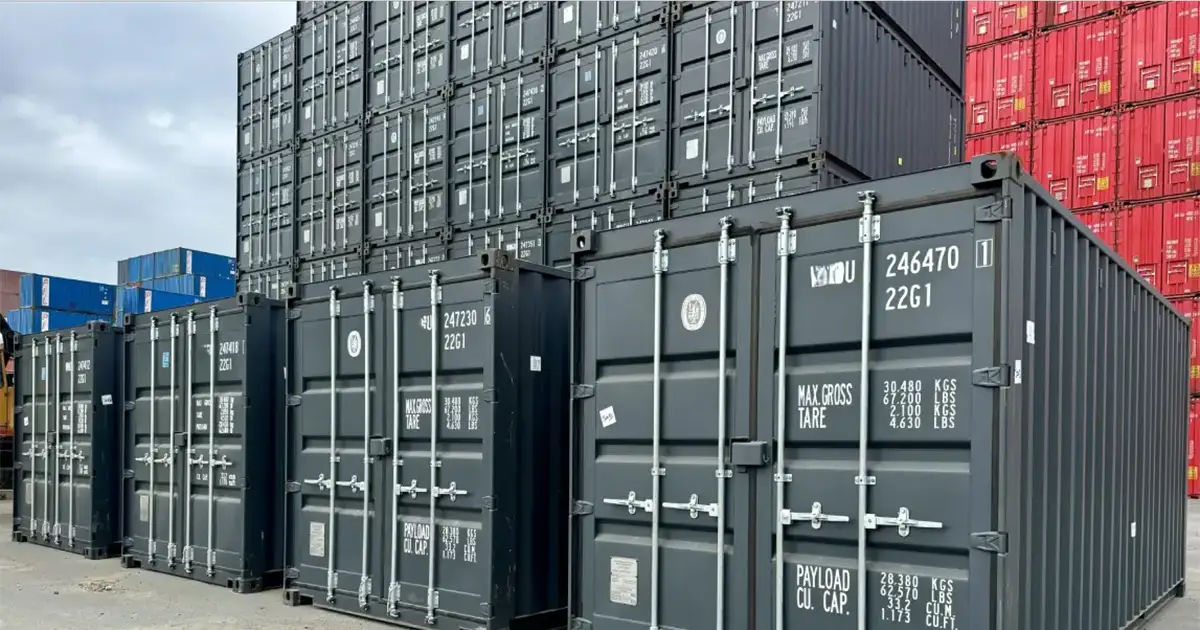
Backed by the team behind Shipping-Containers.com.au



| Size | External L x W x H | Internal L x W x H | Floor area inside | Volume | Typical NZ uses |
|---|---|---|---|---|---|
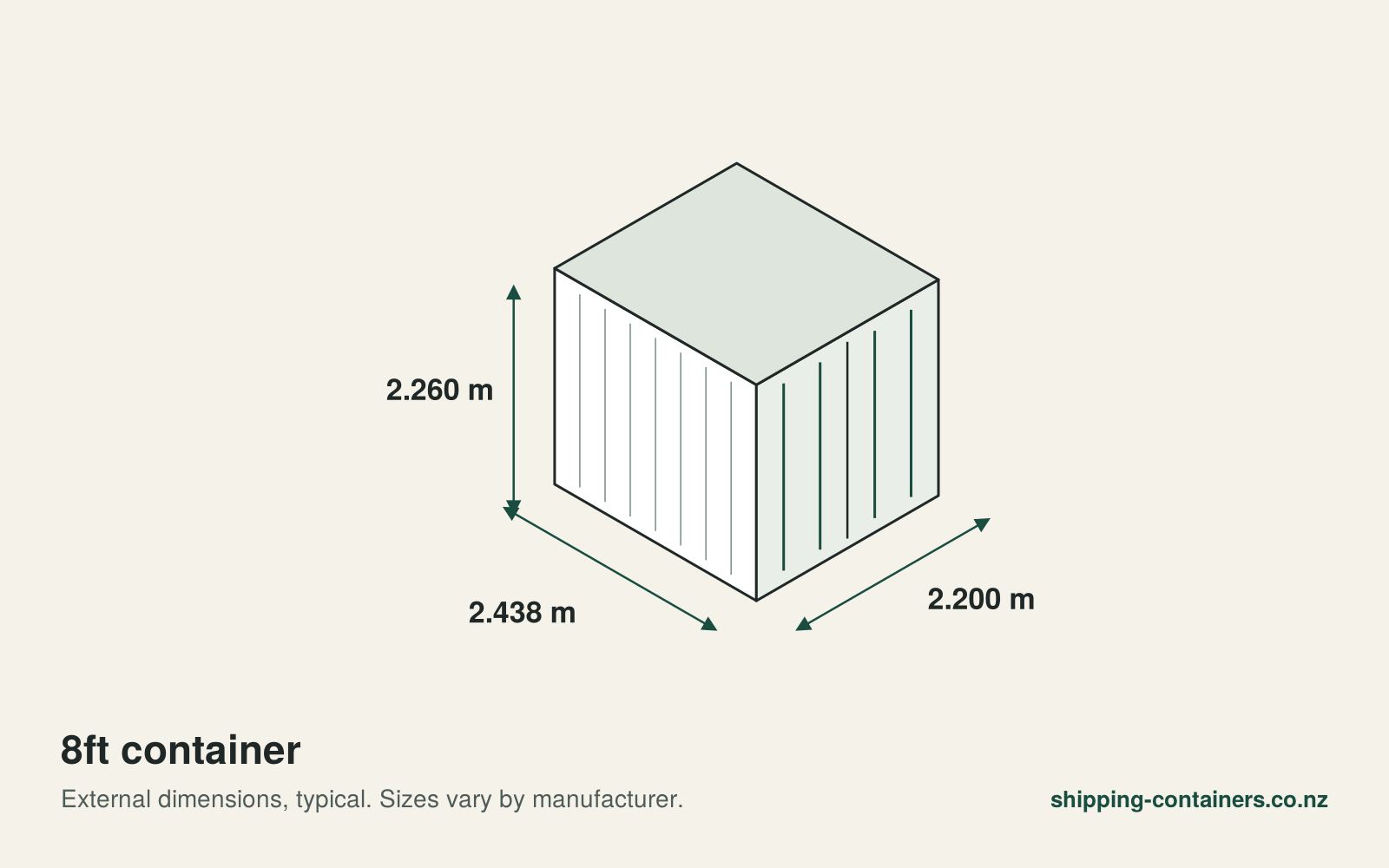
| 8ft | 2.44 x 2.20 x 2.26 (new-build mini) | about 2.28 x 2.11 x 2.06 | about 4.8 m² | about 9.9 m³ | garden and tool storage, small sections |
| 10ft | 2.99 x 2.44 x 2.59 | about 2.83 x 2.35 x 2.39 | about 6.7 m² | about 15.9 m³ | household storage, schools, clubs, tight sites |
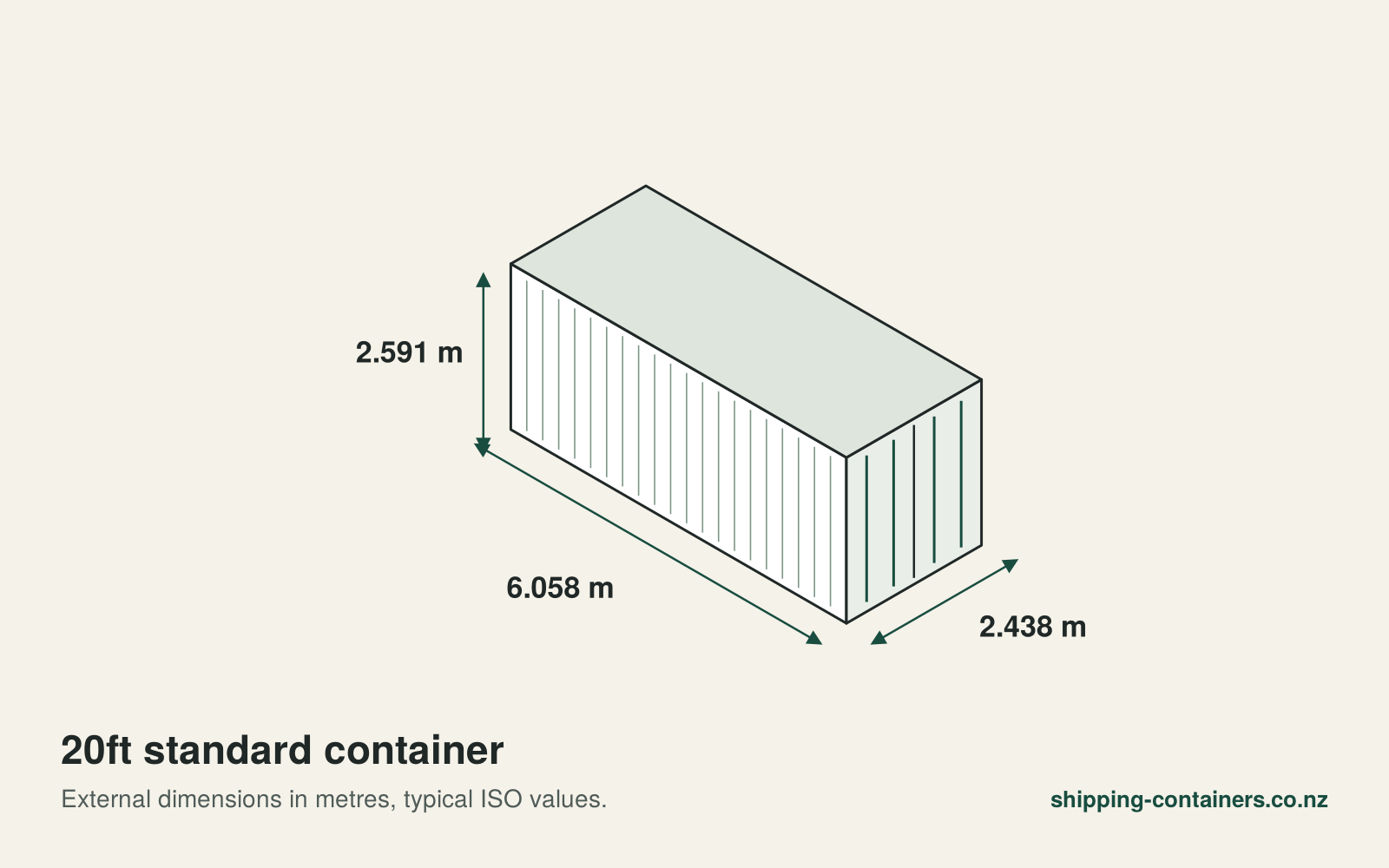
| 20ft | 6.06 x 2.44 x 2.59 | 5.90 x 2.35 x 2.39 | 13.9 m² | 33.2 m³ | renovations, trade stock, farm tools, workshops |
| 20ft high cube | 6.06 x 2.44 x 2.90 | 5.90 x 2.35 x 2.70 | 13.9 m² | 37.4 m³ | racking, sleepouts, small conversions |
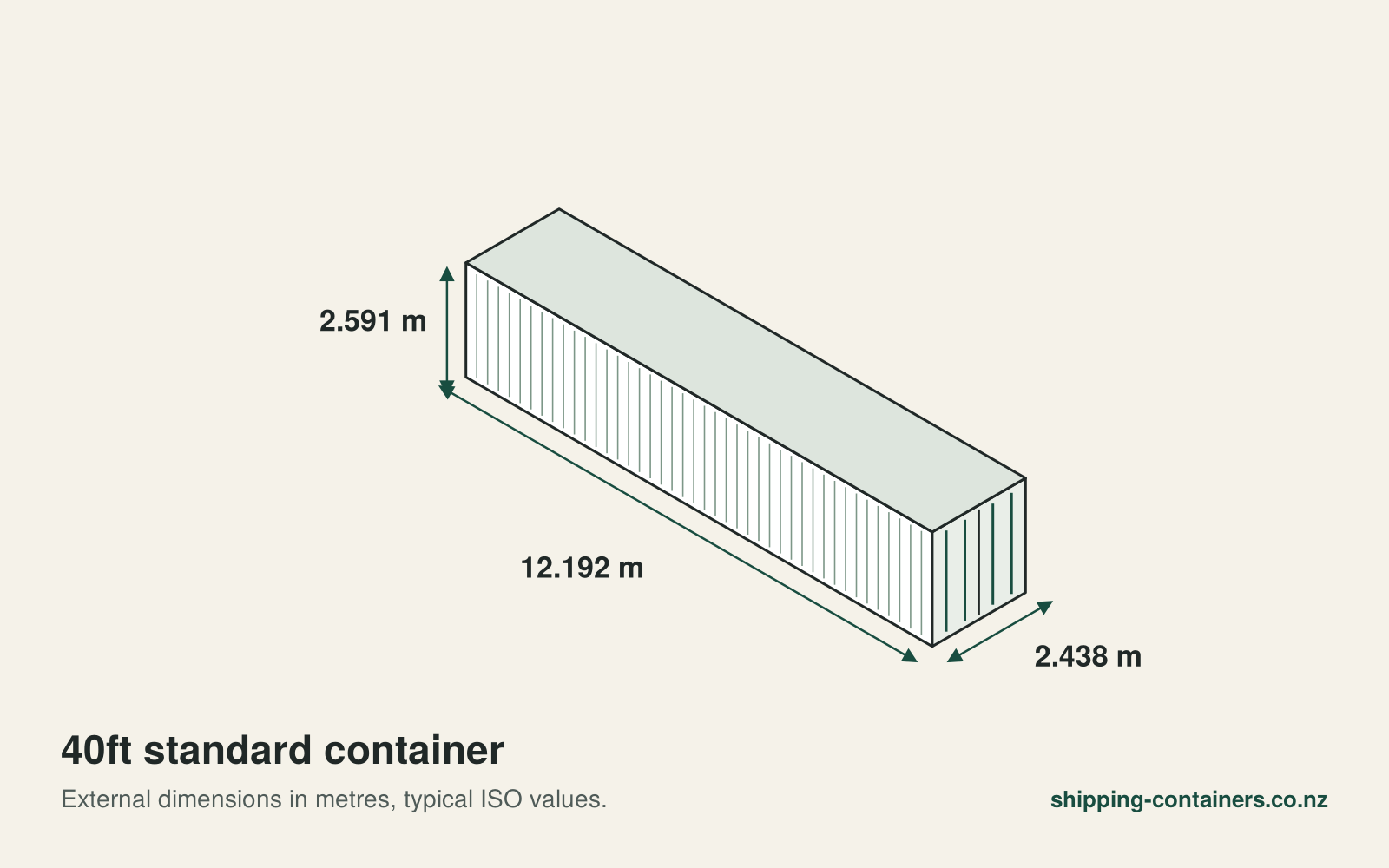
| 40ft | 12.19 x 2.44 x 2.59 | 12.03 x 2.35 x 2.39 | 28.3 m² | 67.7 m³ | machinery, feed, bulk storage, shelters |
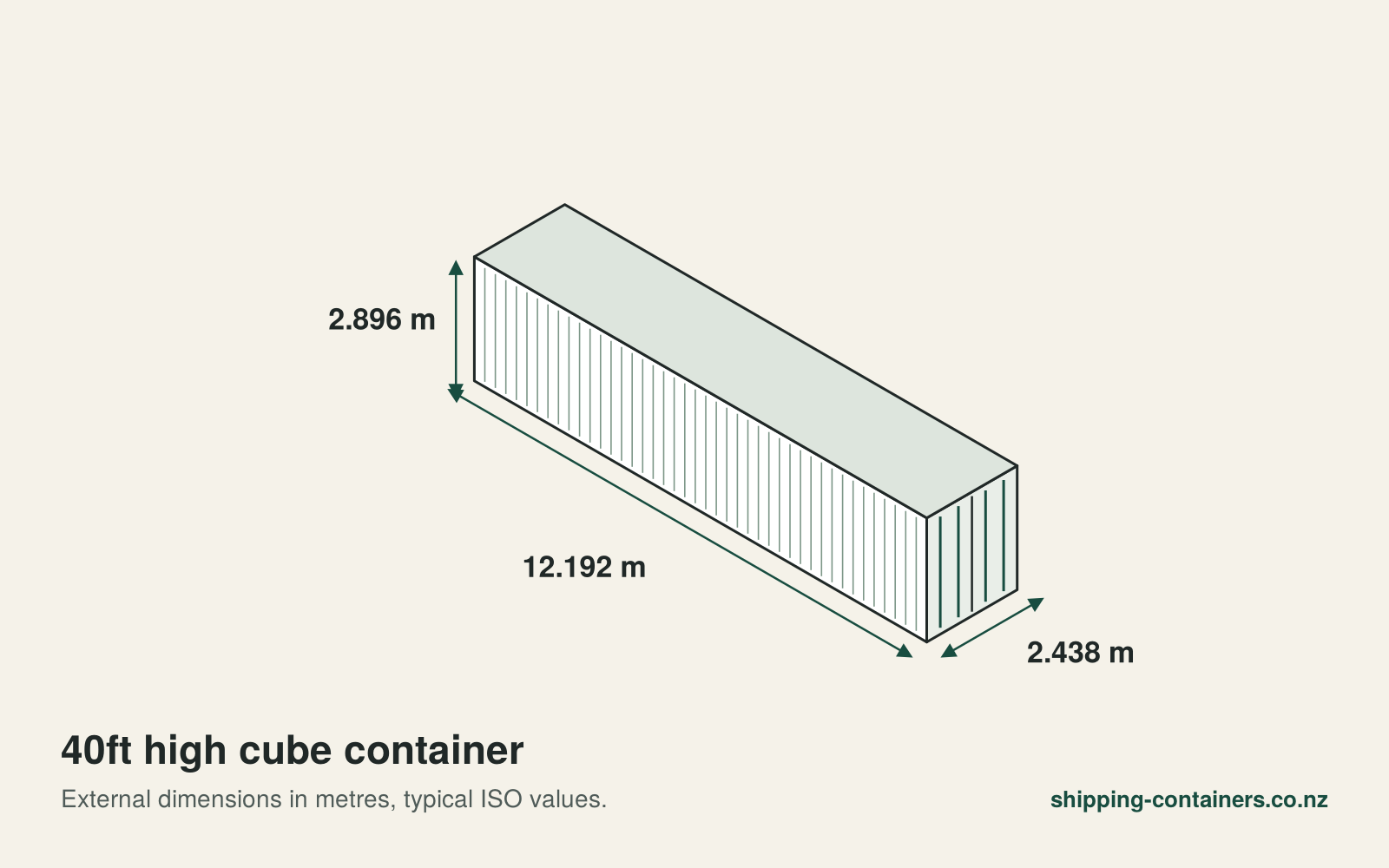
| 40ft high cube | 12.19 x 2.44 x 2.90 | 12.03 x 2.35 x 2.70 | 28.3 m² | 76.3 m³ | workshops, container homes, tall equipment |
Standard dry containers
The four sizes most New Zealanders buy
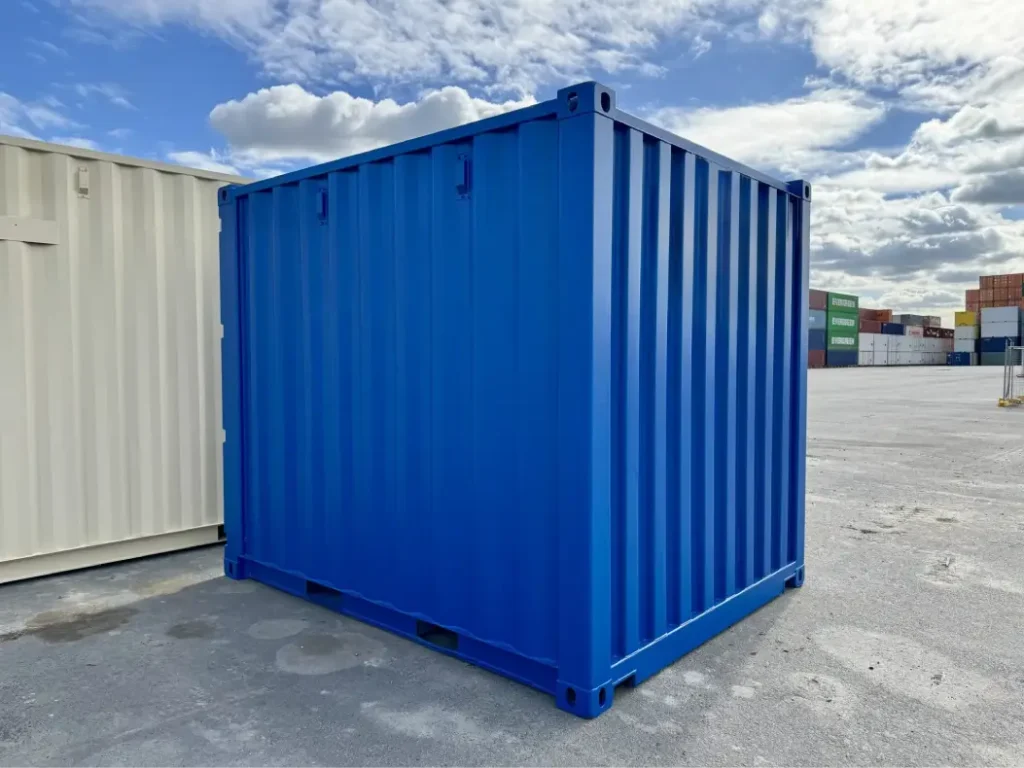
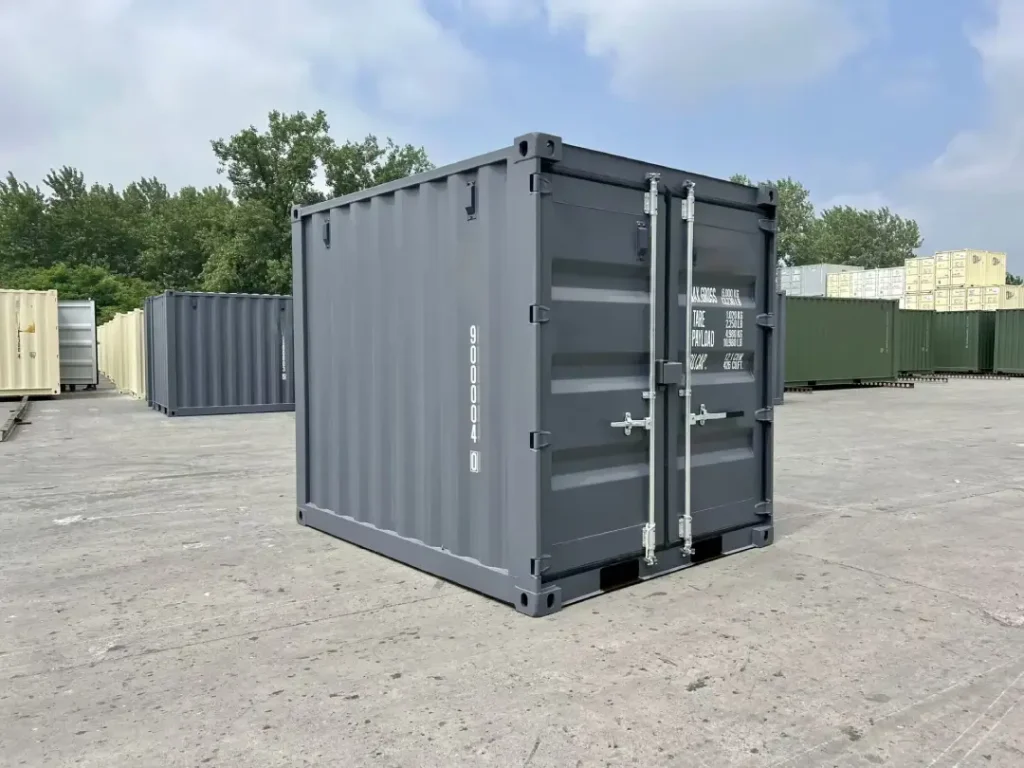
8ft and 10ft: small footprint
Mini containers suit townhouse sections, narrow driveways and spaces beside a garage. Many 8ft and 10ft units sold in New Zealand are cut down from 20ft containers or built new in small runs, so dimensions differ between suppliers. Prices are close to a new 20ft: the October 2026 index shows 8ft units from $4,250 to $4,700 incl. GST and 10ft units at a median of $4,995 incl. GST. See 8ft containers and 10ft containers.
20ft: the all-rounder
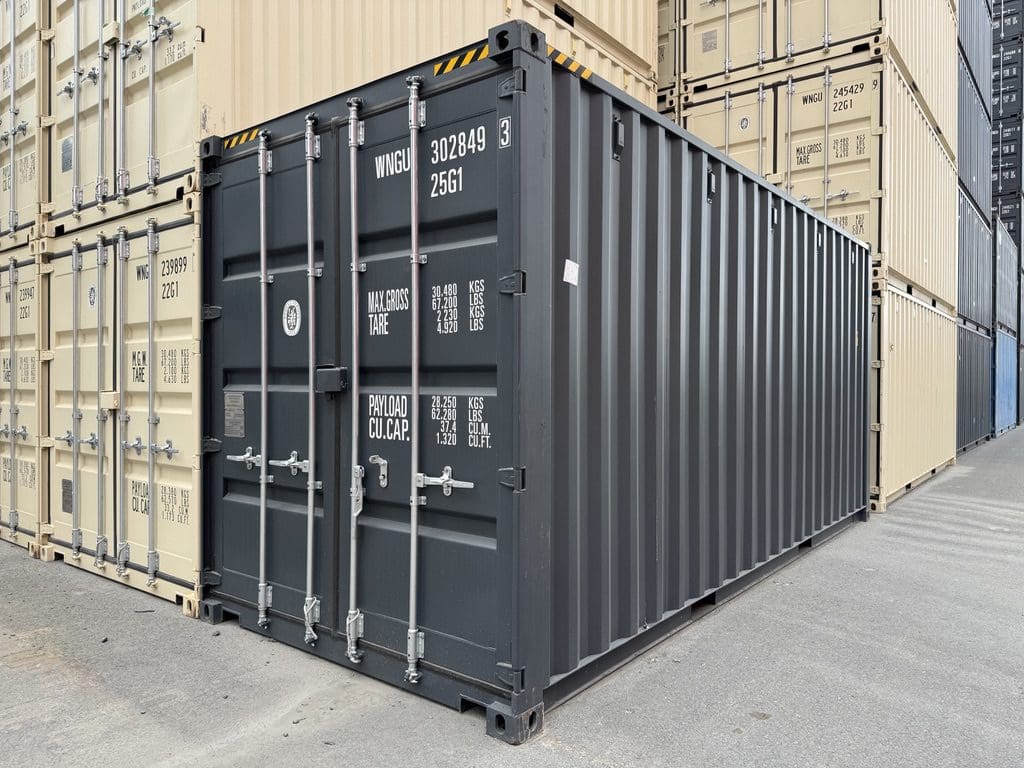
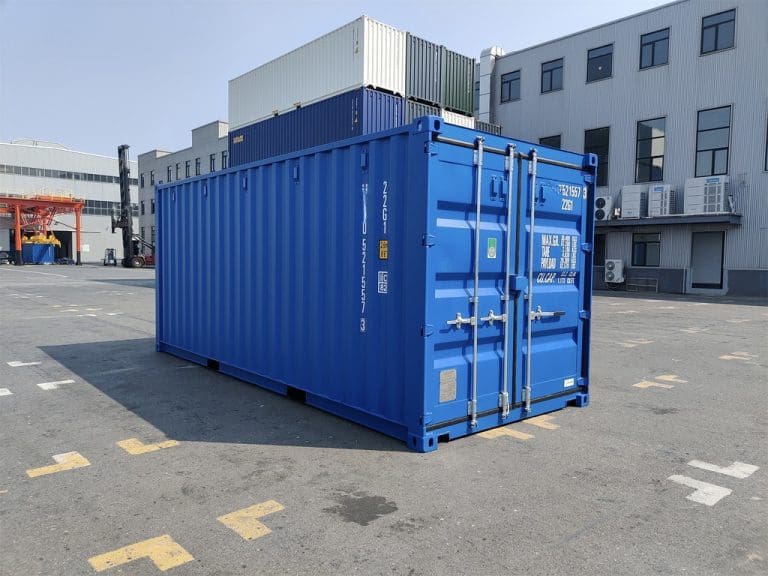
The 20ft is the most widely listed container in New Zealand and the easiest to deliver. Inside you get about 5.9 metres of length, enough for the contents of a two or three bedroom house, a car with room to spare, or a small workshop. A HIAB, swinglift or tilt tray can all place it. Read more on the 20ft shipping containers page.
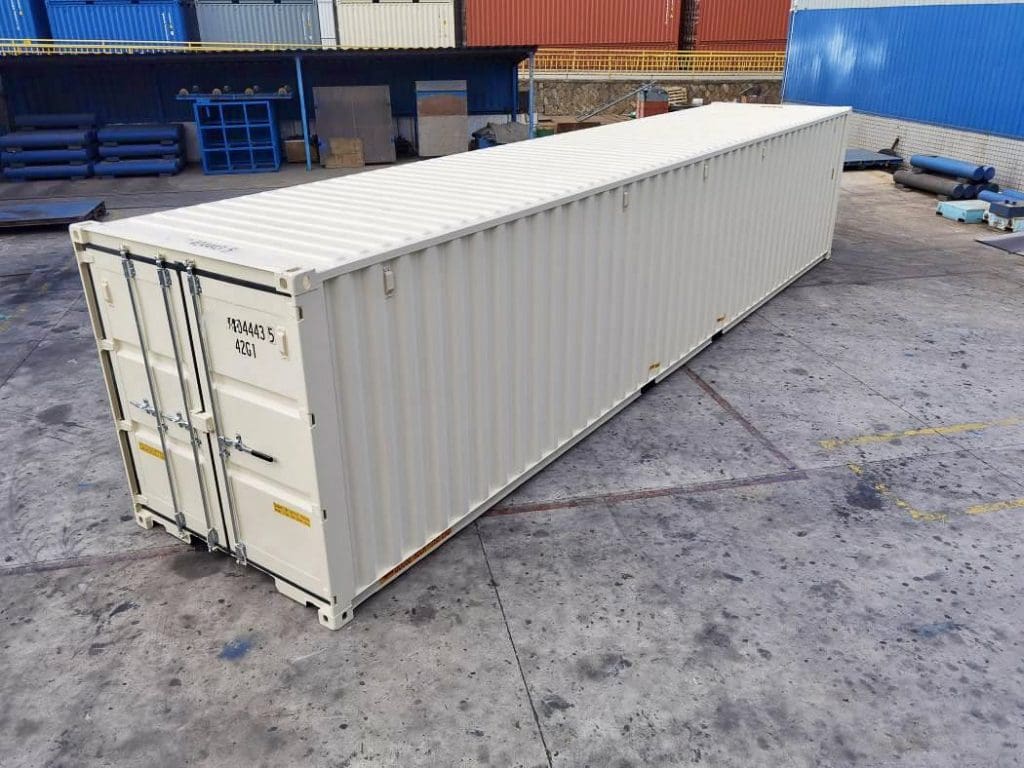
40ft: double the floor for less per square metre
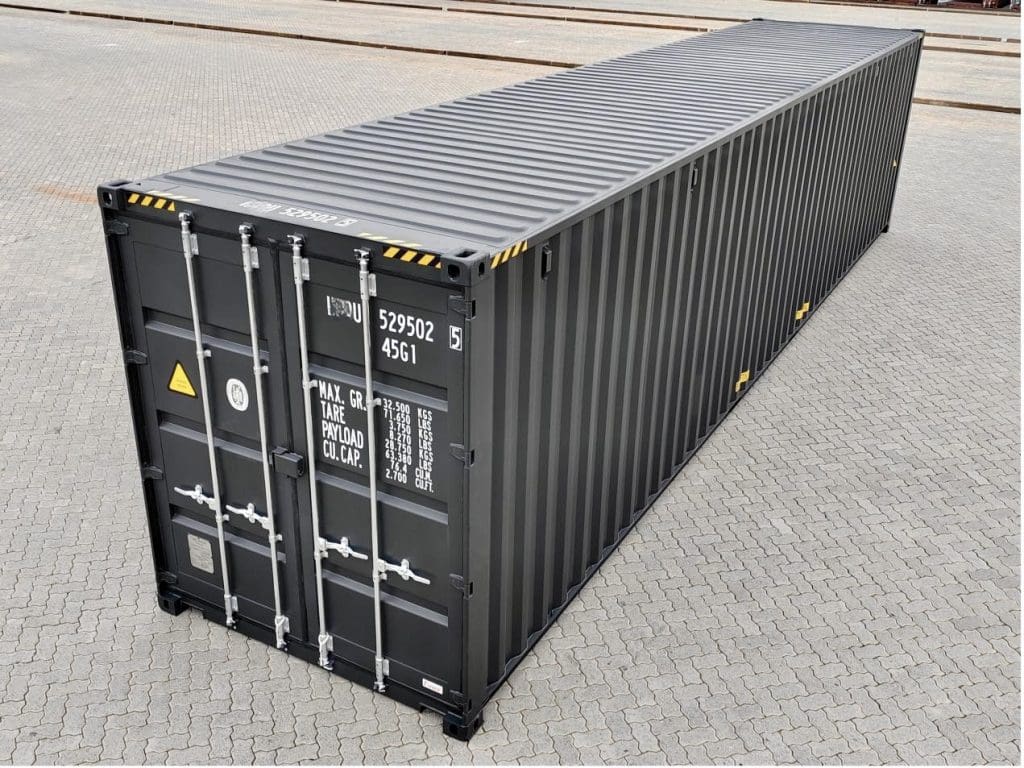
A 40ft gives about 28 m² of floor space. Used 40ft units were listed from $3,000 to $6,595 incl. GST in October 2026, which often makes them cheaper per square metre than a 20ft. The catch is delivery: you need a long, firm approach and room for a swinglift. Compare options on the 40ft shipping containers page.
High cube: 30 cm more height
High cube containers keep the same length and width but stand 2.896 metres tall outside, giving about 2.70 metres of internal height and a 2.585 metre door opening. New factory output is concentrated in 40ft high cubes, which is why new 40ft standard-height units are hard to find in New Zealand. Compare 20ft high cube and 40ft high cube containers.
Condition: one-trip, used and as-is
The size decides what fits, and the condition decides how long the container will stay dry and how it will look on your section. NZ sellers use three broad groups, although grade names are not standardised:
- One-trip or new build: carried one load to New Zealand, clean paint and tight seals. A new 20ft had a median of $4,830 incl. GST in October 2026.
- Used wind and watertight, often called B grade: dents, scratches and surface rust, but sound roof, floor and door seals. Median $3,680 incl. GST for a 20ft.
- As-is, C or D grade: older units with repairs or known faults, from about $1,495 incl. GST for a 20ft, best for low-value storage after inspection.
Our new vs used container guide explains which condition suits storage, resale or conversion, and the NZ price index shows current ranges by size and grade.
Specialist containers
When a standard box is not enough
Refrigerated and insulated containers
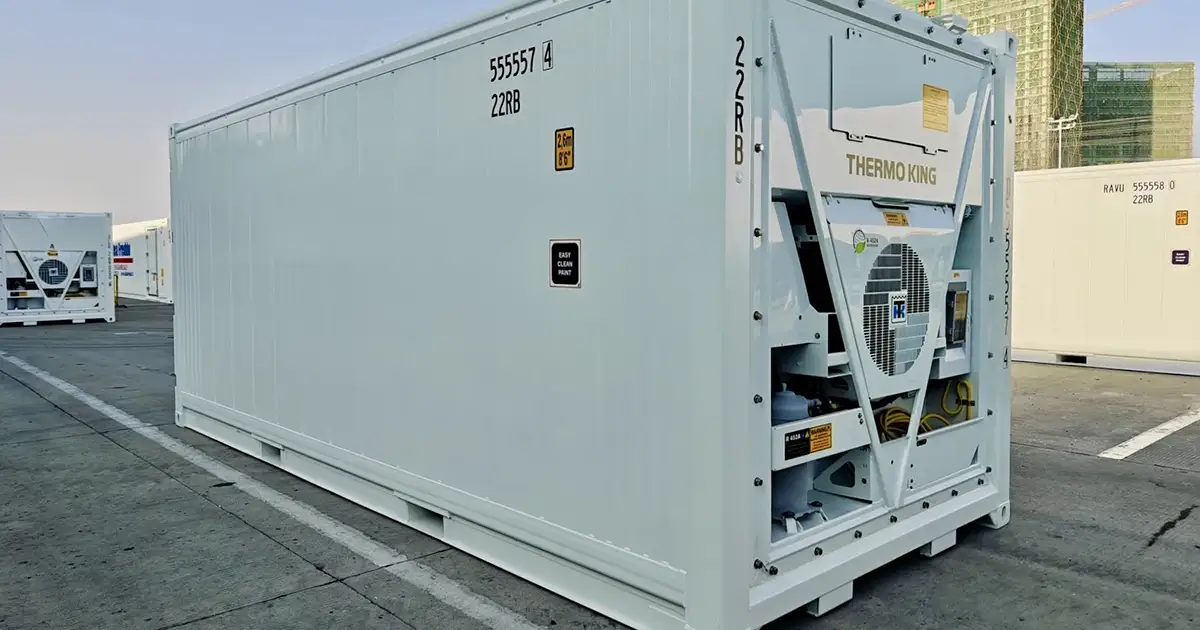
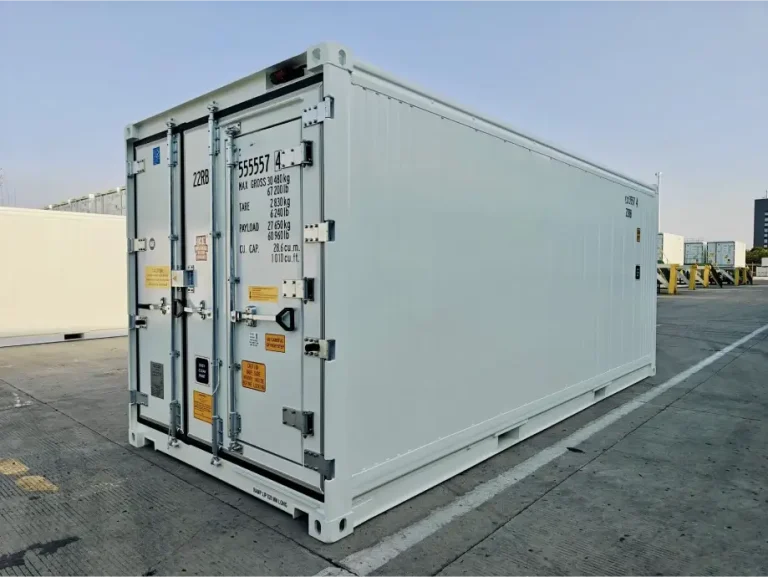
Reefers have a built-in refrigeration unit and need a suitable power supply, often three phase. They are used for produce, wineries, events and meat or fish storage. An insulated container is a reefer without a working unit, useful for temperature-stable dry storage. See refrigerated containers and insulated containers.
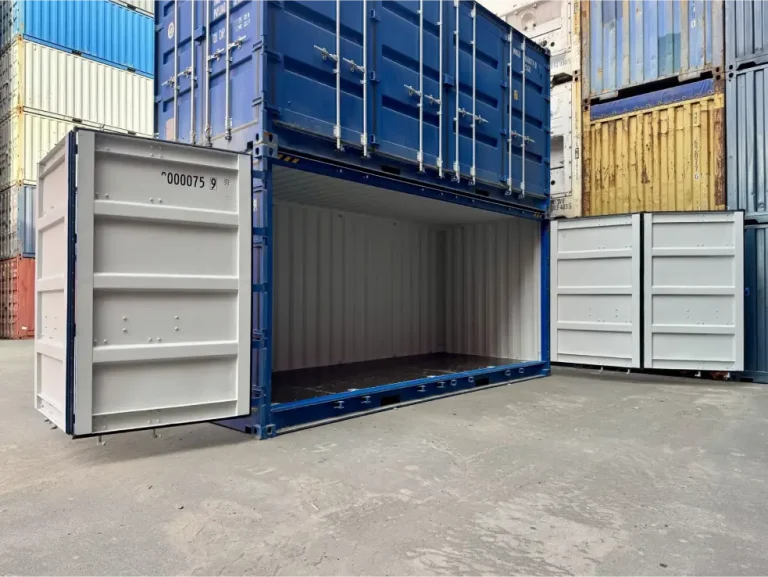
Side-opening and double door containers
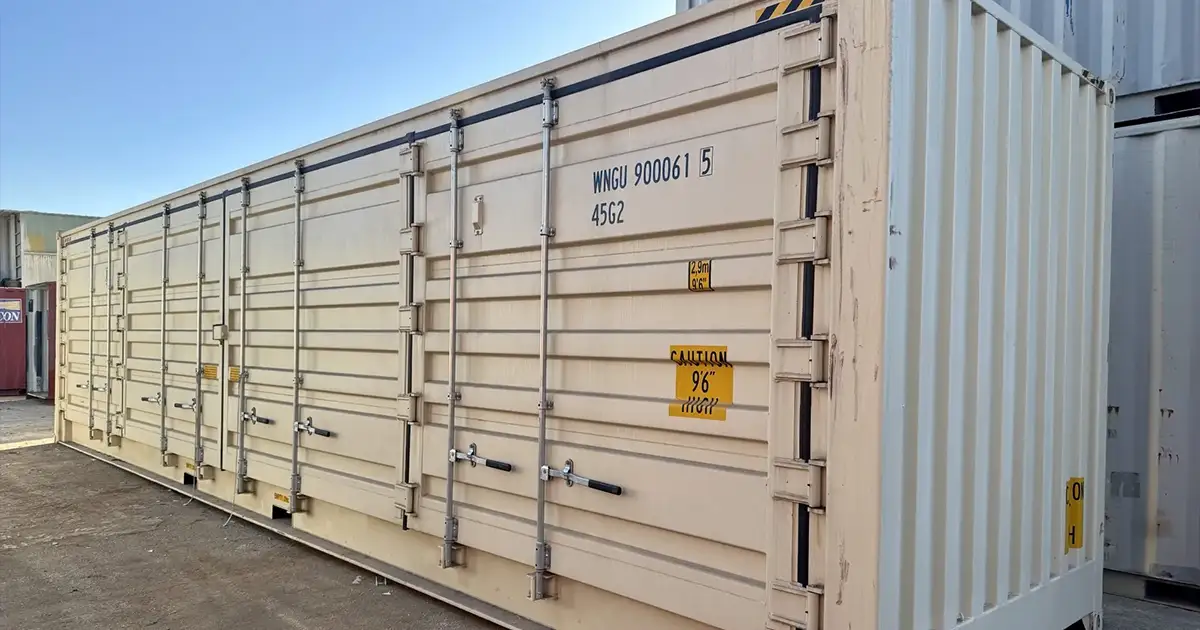
Side-opening containers have doors along one long side, so you can reach everything without unloading from the back. They suit builders, event gear and machinery. Double door, or tunnel, containers have doors at both ends for drive-through access. Compare side-opening containers and double door containers.
Open top and flat rack containers
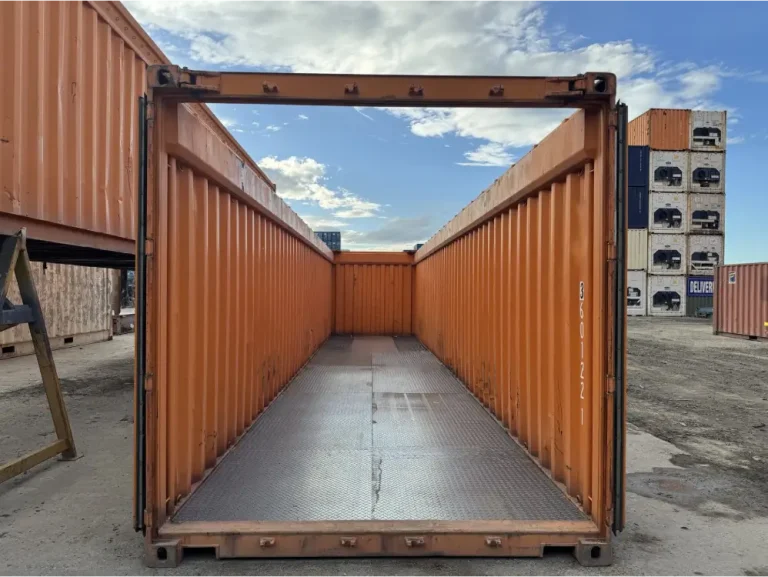
Open top containers have a removable roof so tall or heavy items can be craned or loaded from above. Flat racks have no side walls or roof and carry boats, timber and oversize machinery. Both are mostly freight equipment, but some are sold off for site use. See open top containers and flat rack containers.
Dangerous goods containers
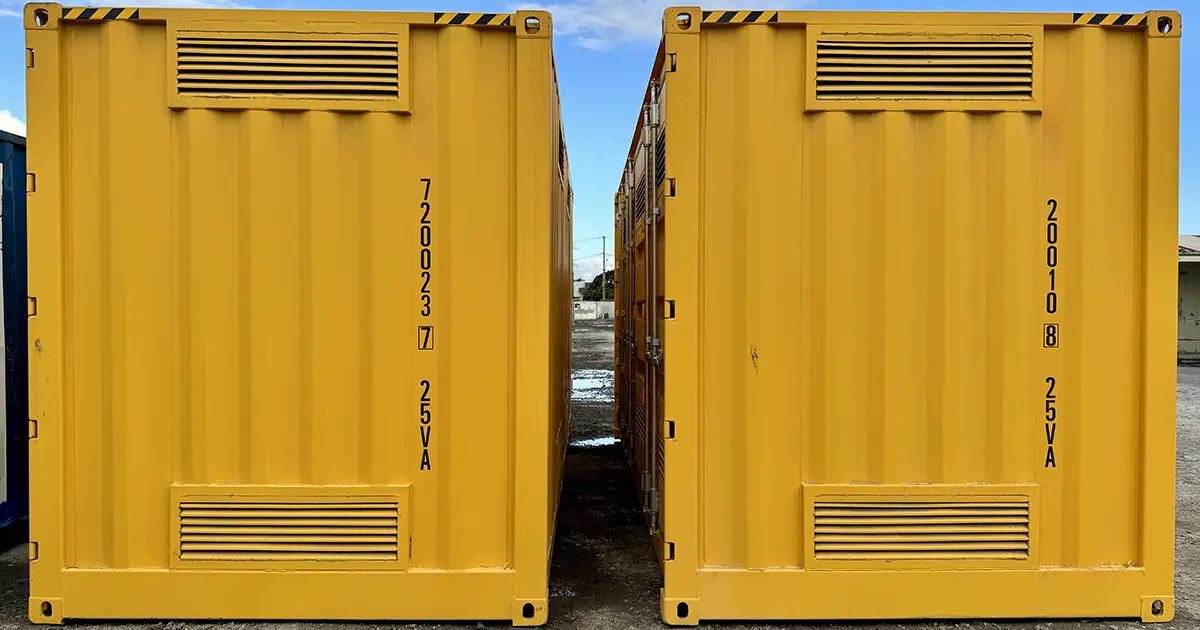
Dangerous goods stores are purpose-built containers with bunded floors, ventilation and signage for fuel, chemicals and agrichemicals. Hazardous substance storage in New Zealand is regulated, so check the supplier’s compliance details for your substance and quantity. Read about dangerous goods containers.
| Type | Listings seen | Asking prices (incl. GST) |
|---|---|---|
| 20ft side-opening / open side | 12 | $9,188 to $13,795, median $11,122 |
| 40ft high cube with side doors | 7 | $12,975 to $25,000, median $15,950 |
| 20ft reefer, operating | 2 | $5,520 to $10,195 |
| 20ft and 40ft reefer, non-operating | 5 | $3,680 to $5,001 |
| 20ft double door (tunnel), one-trip | 3 | $5,500 to $5,900 |
| 8ft and 10ft dangerous goods store | 2 | $10,350 and $12,750 |
How to choose
Four checks before you pick a type
Measure the contents
List the largest items and their dimensions, then add an aisle so you can reach the back. The door opening, about 2.34 by 2.28 metres on a standard container, is often the real limit for vehicles and machinery. Our size guide matches contents to sizes.
Measure the site
Mark out the footprint plus at least a door’s swing at the front. Then check the route for the truck: gate width, slope, soft ground, trees and overhead lines. A 40ft that fits the spot but cannot be delivered is not an option, so check access first.
Decide how it will be used
Storage only, a workshop people work in, or a sleepout people sleep in are different cases for consent, insulation and ventilation. An unmodified container placed for storage is generally not building work, while an occupied container needs building consent. Plan for that before choosing the shell.
Compare like with like
Grade names differ between sellers, and so does the GST basis of their prices. Ask each supplier for the condition, age, photos, GST treatment and delivery method in writing, then compare total delivered prices. Request quotes with the same specification so they line up.
Container types
Browse your container options
Not sure which type suits your job?
Describe what you need to store or build and the space you have. Suppliers who service your area can suggest a size and type and quote you directly.
Get a free quoteFAQ
Container types and sizes: common questions
The standard ISO lengths are 20ft and 40ft, each in standard height (2.591 metres outside) and high cube (2.896 metres). In New Zealand you can also buy 8ft and 10ft containers, which are cut down from larger units or built new for storage, and 6ft and 7ft minis appear on Trade Me. All standard sizes are 2.438 metres wide outside, except some new-build 8ft minis at about 2.2 metres.
The 20ft. In our October 2026 price index, new one-trip 20ft containers made up 51 of the 137 data points, far more than any other size and condition. The 20ft is easy to deliver with a HIAB, swinglift or tilt tray, fits most residential sections and holds the contents of a typical family home. The 40ft is the second most common, mainly in used and high cube versions.
GP stands for general purpose, the standard dry container. A high cube is the same length and width but 305 mm taller, so internal height rises from about 2.39 to about 2.70 metres and the door opening from about 2.28 to 2.585 metres. A new 20ft high cube cost about $550 to $600 more than a standard 20ft in October 2026. Our standard vs high cube guide covers when the height is worth it.
Not quite. A 10ft is about 2.99 metres long outside, slightly less than half of a 20ft at 6.06 metres, and its walls and end frames take up proportionally more space. Inside you get about 6.7 m² of floor compared with 13.9 m² in a 20ft. The price is not half either: new 10ft units had a median of $4,995 incl. GST in October 2026, above the new 20ft median.
Most designers start with a high cube, because insulation, lining and a floor build-up take height out of the room. A one-trip 20ft or 40ft high cube gives clean steel to work with. Any container people live or sleep in needs building consent and must meet the Building Code, including insulation and ventilation. See our container homes guide before you buy the shell.