



Site Storage and Workshop Containers for NZ Builders
A container on a building site keeps tools and materials locked up overnight and dry in the rain. Trades use them as mobile tool stores and permanent workshops too. This page compares sizes, hire and purchase costs, security and what the site needs on delivery day.
Backed by the team behind Shipping-Containers.com.au



Uses on site
Site stores, tool stores and workshops
Site storage
Materials and tools on tight urban sites
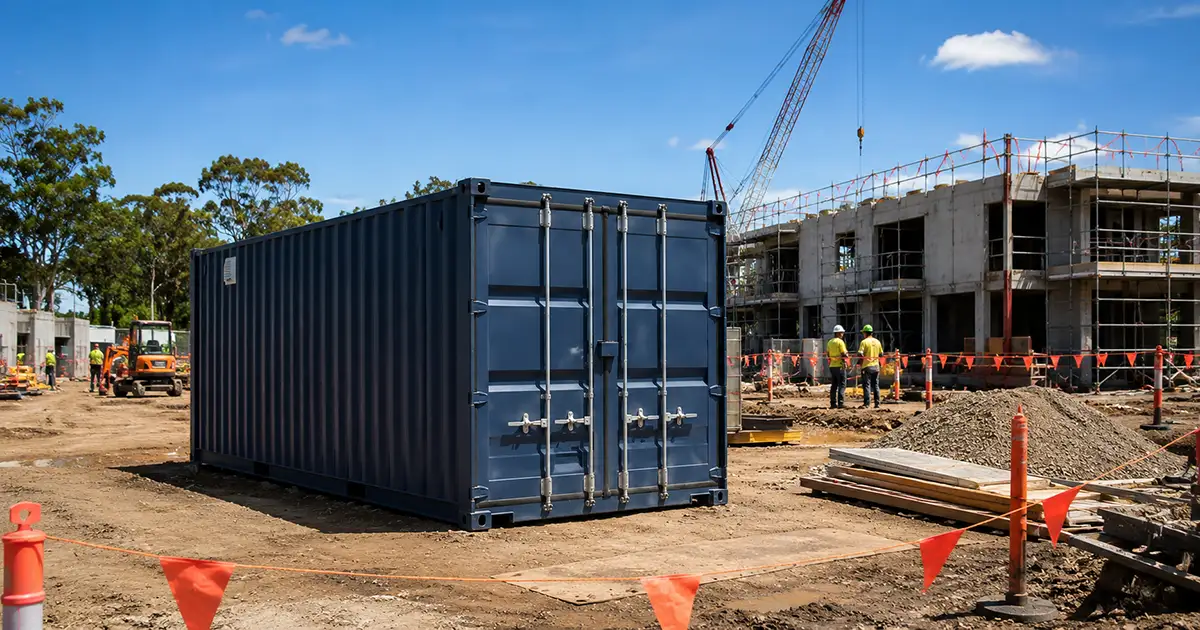
Auckland consented 15,017 dwellings in the year to October 2025, and 70 percent of consents that October were multi-unit (Knowledge Auckland). Townhouse sites leave little room for a shed, so a 20ft container on the boundary becomes the lockup for power tools, fixings and weather-sensitive materials. Notes for builders in the city are on our Auckland container page.
Tool stores
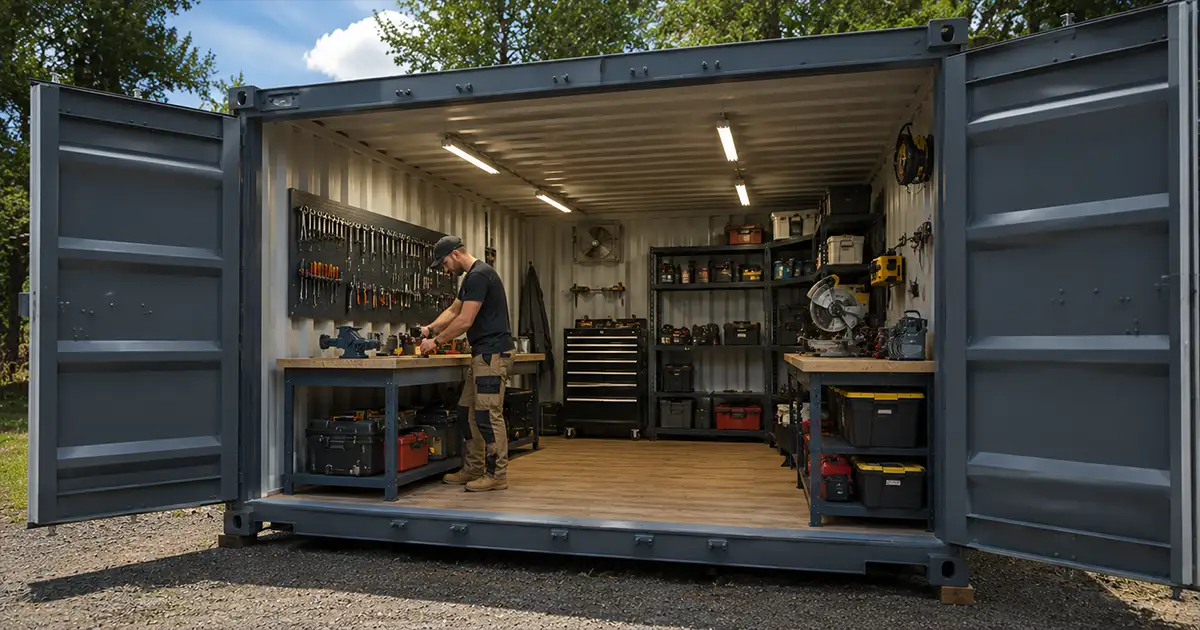
Fitted tool stores for trades
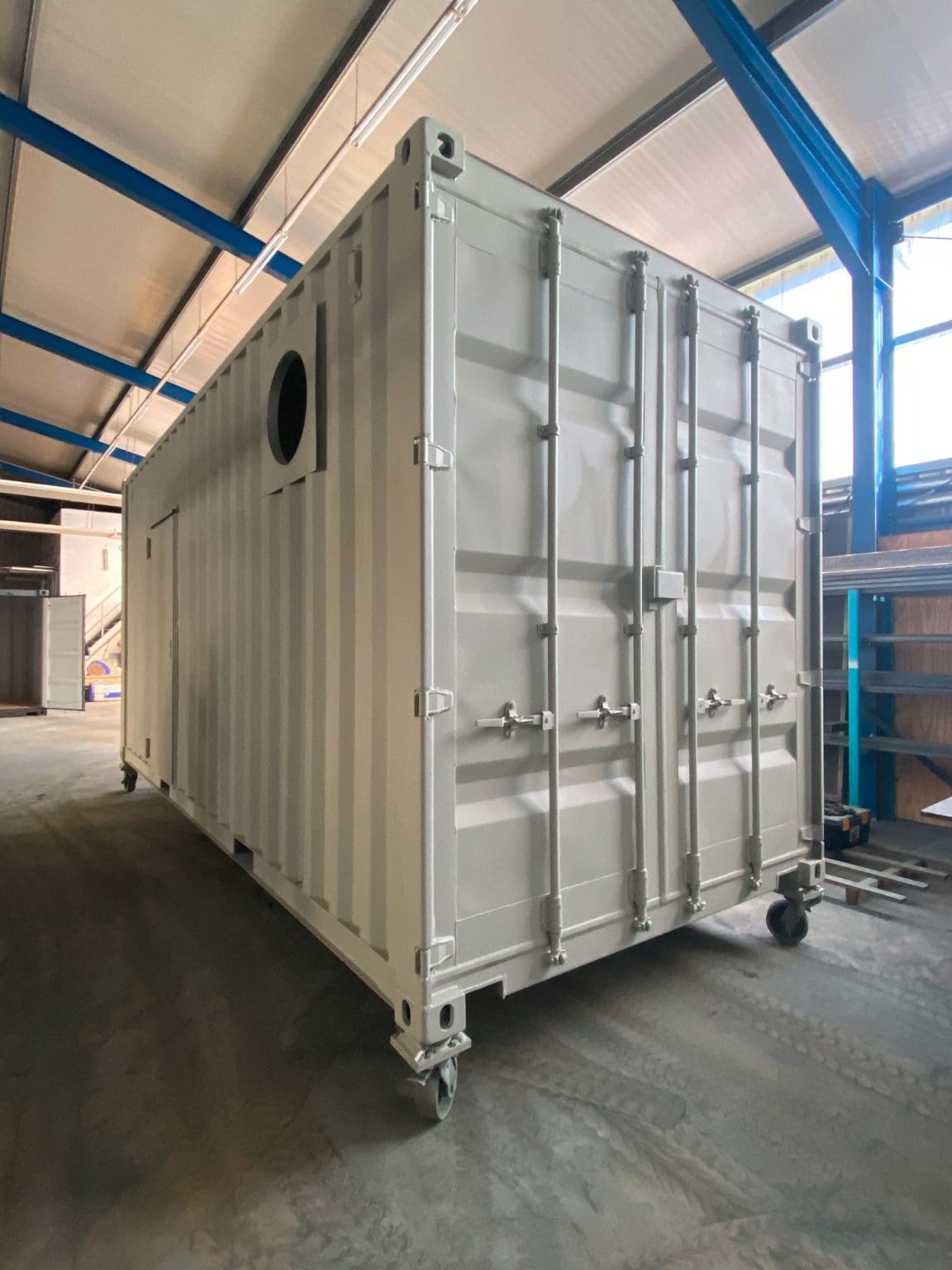
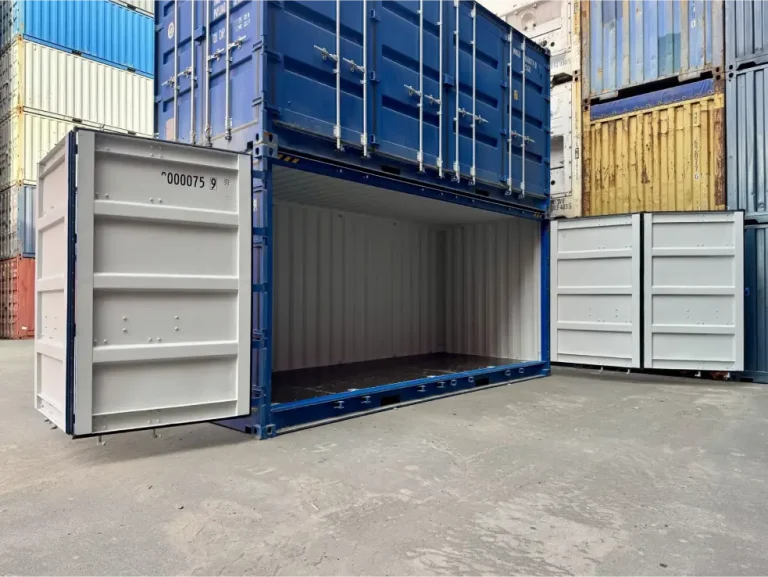
Electricians, plumbers and fencing contractors often keep a container at the yard with shelving and a bench. A 20ft workbench was listed at $749.95 incl. GST on Trade Me in October 2026. Where long materials go in and out daily, side-opening containers give full-length access, at a median of $11,122 incl. GST for a 20ft.
Workshops
Container workshops
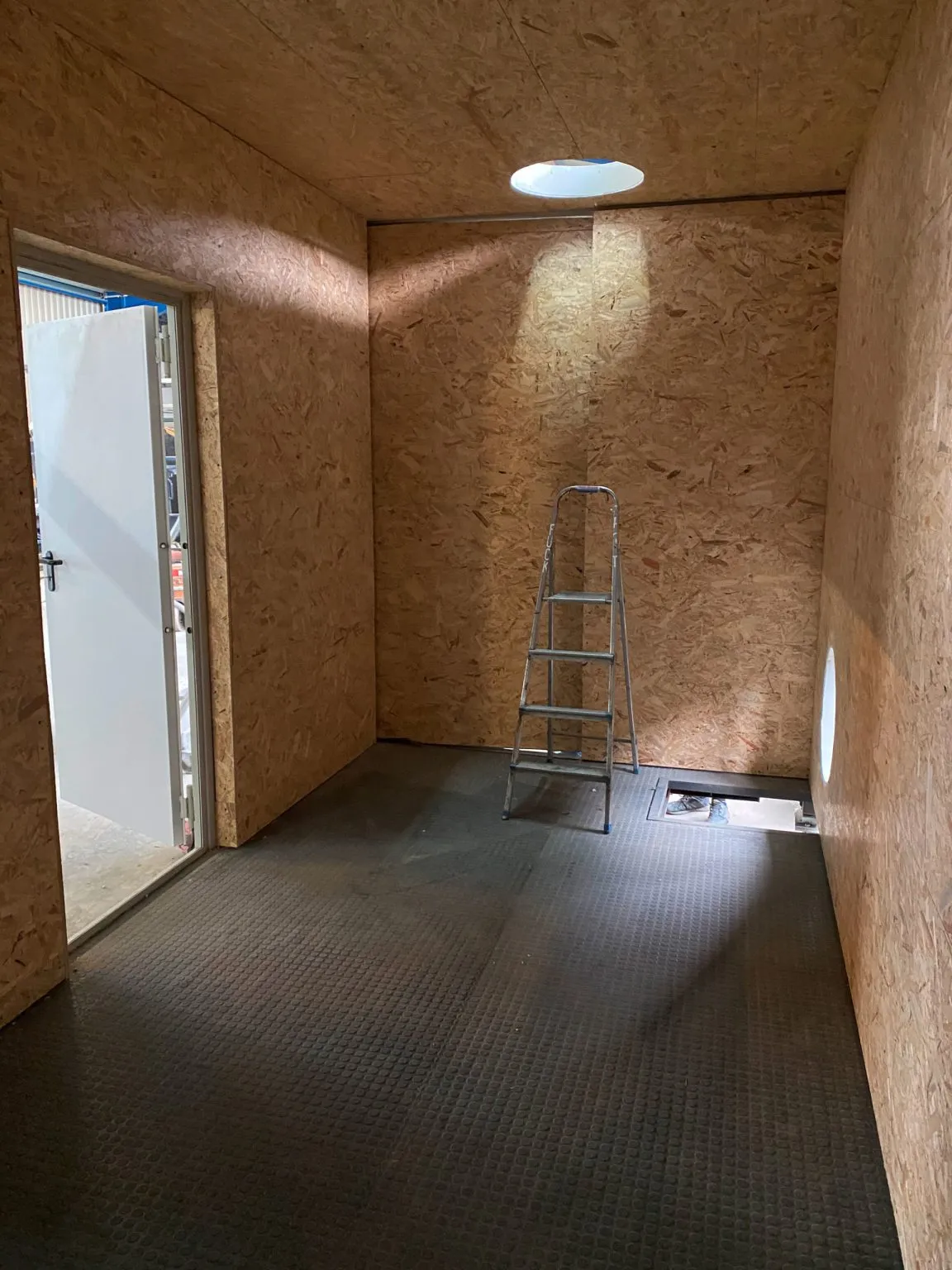
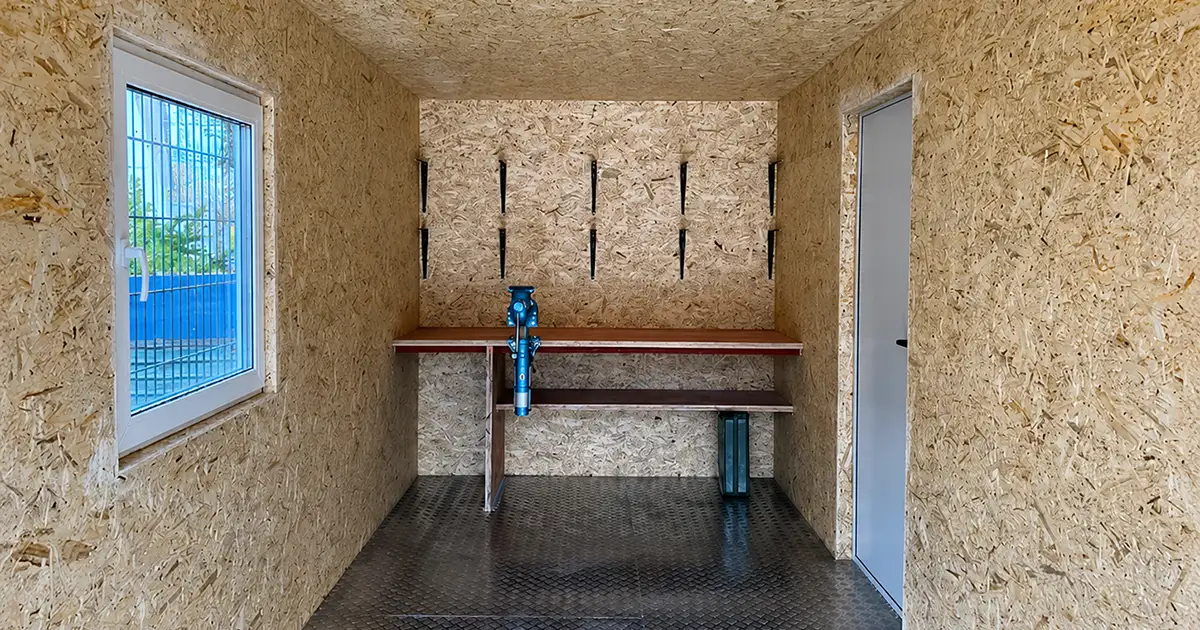
A workshop needs headroom, light and power. High cube containers add about 30 cm of height, which matters once a floor, lining and lights go in. Roller doors, windows and wiring are covered under container modifications. Whangarei District Council says using a container as anything other than storage needs consent, so plan for it.
| Option | Published price, Oct 2026 | Best fit |
|---|---|---|
| Hire 20ft on site | $90 to $276 a month, median about $145 excl. GST | One project, up to about two years |
| Hire 40ft on site | $129 to $260 a month excl. GST | Large sites, bulky materials |
| Buy used 20ft | Median $3,680 incl. GST | Firms that move a store from job to job |
| Buy new 20ft | Median $4,830 incl. GST | Permanent workshops and branded units |
Hire or buy for building work
Hire suits a single build with a known finish date. The supplier delivers, collects and keeps the container maintained, but minimum terms vary: one national supplier quotes daily rates on a 12 month minimum, another a two month minimum for most units. Delivery and collection are charged on top, and one Auckland hire firm publishes delivery from $360 excl. GST. At the median hire rate, the monthly charges pass the cost of a used 20ft after about two years.
Buying suits builders who move a store from site to site, because each move is only a transport cost. Our hire vs buy comparison works through the numbers, and the container hire page explains hire terms. If the site also needs a lunch room or office, see container site offices.
Security
Keeping a site container secure
Lock box and padlock
A steel lock box welded over the door handles shields the padlock from bolt cutters. Use a closed shackle padlock that fits the box. Many suppliers fit lock boxes on request, and other fittings are on our container accessories page.
Placement
Face the doors towards the site office, a neighbour’s window or a camera rather than a hidden corner. Keep a clear area in front so the doors can open fully and a ute can back up to load. Avoid placing it where scaffolding or excavation will block it later.
Keys and access
Decide who holds keys before the job starts. On larger sites a key safe or a simple sign-out sheet for tools reduces losses. Ask the supplier for a container with door seals and locking bars in good working order, because worn gear is easier to force.
Delivery
Getting the container onto the site
Timing
Book delivery before the site fills up
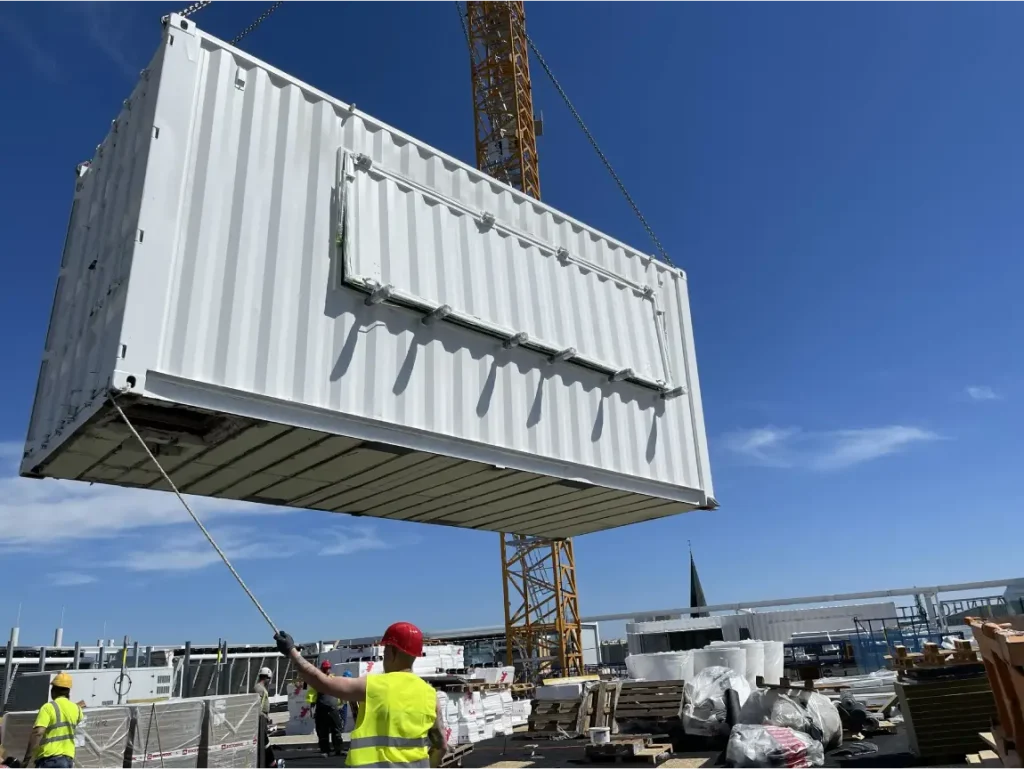
Deliver the container before foundations, scaffolding and skips take up the space. A swinglift needs a long, firm, level area and a HIAB needs firm ground for its outriggers, which is hard to find on a muddy site in winter. Mark the spot, check for overhead lines and add photos when you request a site container quote. Our container delivery guide lists what drivers check.
On the road
When the container has to go on the street
Christchurch City Council charges $53 per m² a month for temporary use of legal road, with a $210 minimum, a traffic management plan and at least $500,000 public liability cover. Porirua City Council requires a traffic management plan for containers over 20ft, and in Auckland the process is an Auckland Transport corridor access request.
Container types
Browse your container options
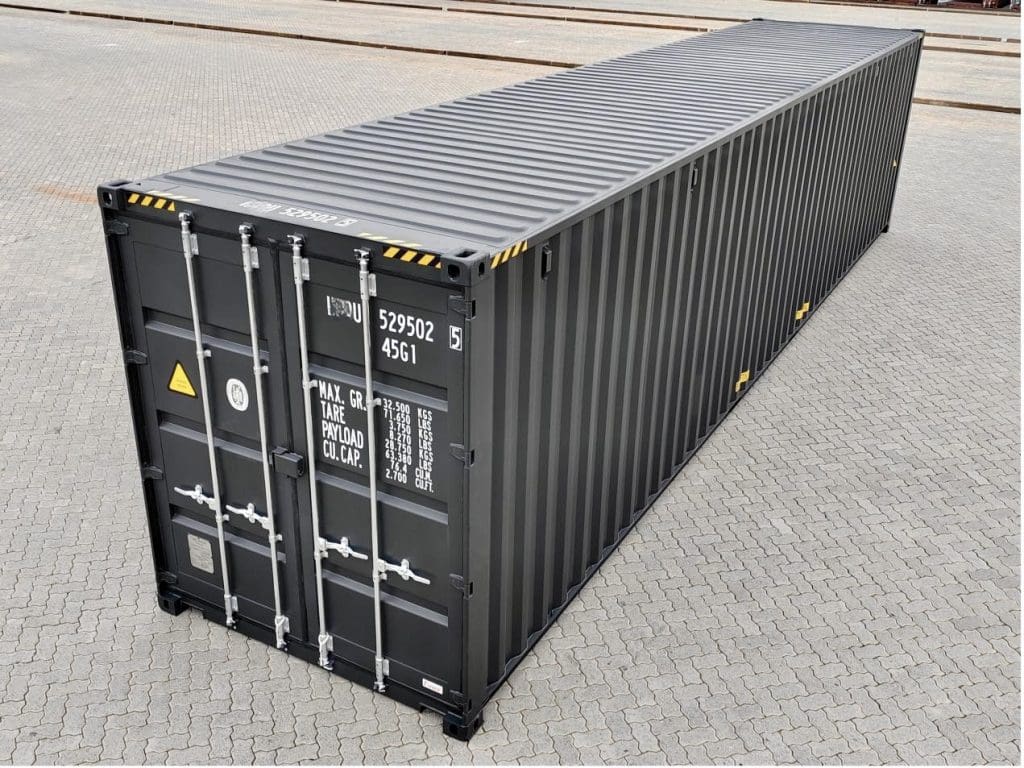
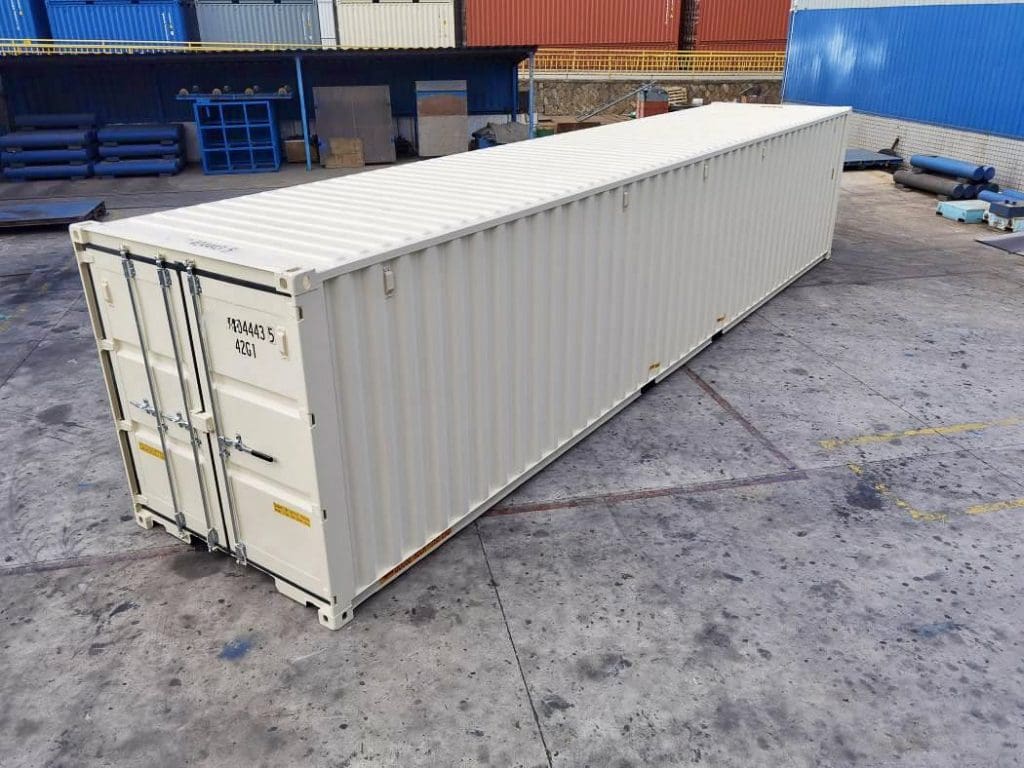
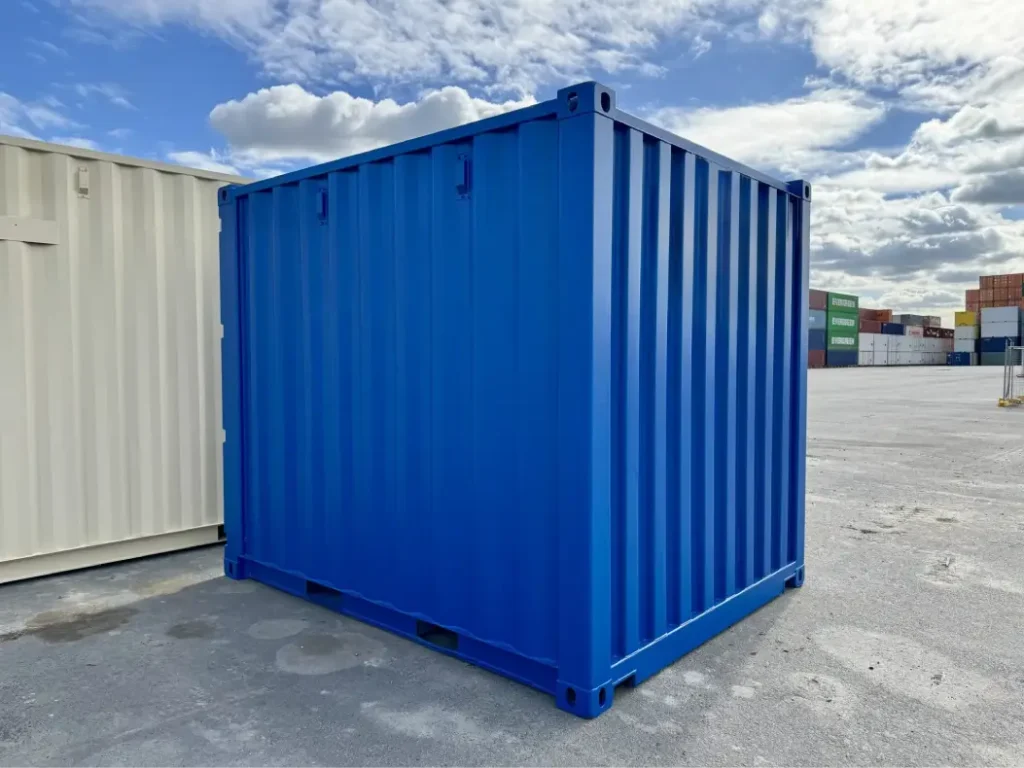
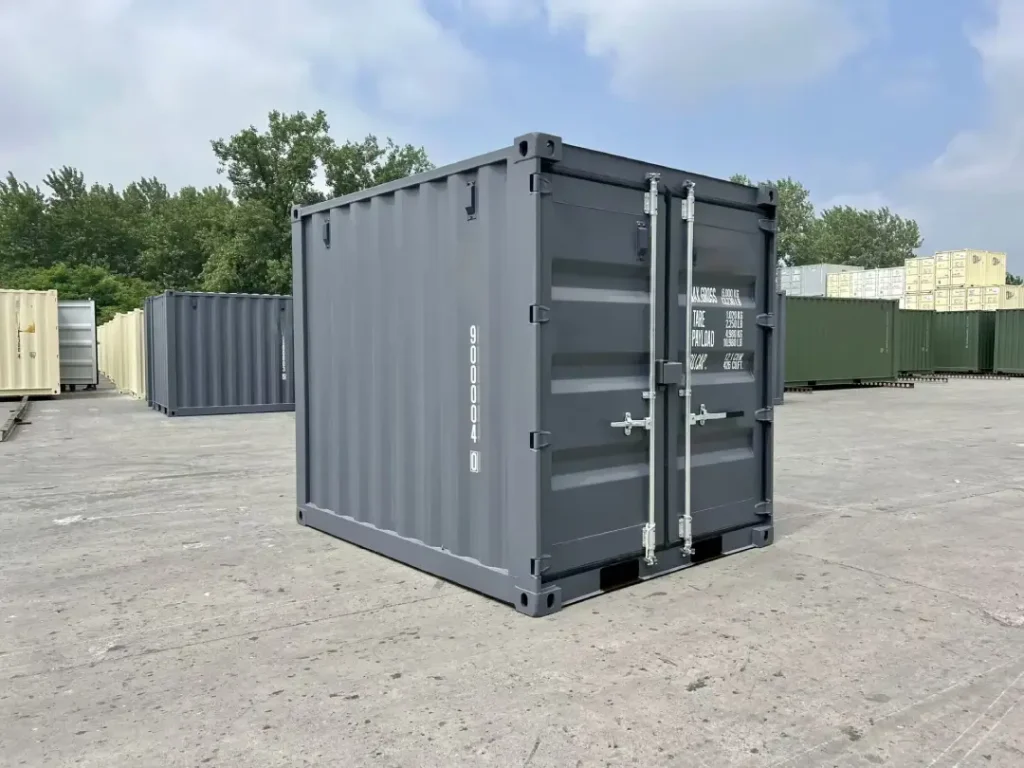
Get quotes for a site container or workshop
Tell us the size, hire or buy, the start date and how the truck gets onto the site. Suppliers who service your area quote you directly.
Get a free quoteFAQ
Site and workshop container questions
Yes. Some NZ suppliers sell a shipping container workshop with a roller door, benches, lighting and power already fitted, and others fit one out to order. For a construction site storage container, a plain 20ft with a lockbox is usually enough and can move from site to site. Ask for both options in one quote request.
A container placed for storage during a build is generally not building work and does not need building consent. A container used as a workshop, fitted with power or fixed to foundations is treated differently, and councils such as Whangarei say any use other than storage needs consent. If it sits on the road, you need a council or Auckland Transport permit.
Published NZ hire rates for a 20ft on your site ranged from $90 to $276 a month in October 2026, with a median of about $145 a month excl. GST. A 40ft ranged from $129 to $260 a month. Delivery and collection are extra, and many suppliers set a minimum hire period.
Usually yes, if people will stand and work inside. A high cube is about 30 cm taller than a standard container, and much of that height is used up by a new floor, ceiling lining and lights. For a tool store where nobody works inside, a standard height container is enough and costs less.
Yes, that is the main advantage of owning one. Empty it first unless the transport operator agrees to lift it loaded, and book a HIAB or swinglift for the new site. Each move is a transport cost only, which is why builders with a steady workload often buy rather than hire.