



Farm Storage Containers for NZ Farms and Lifestyle Blocks
A shipping container gives a farm a dry, lockable store that arrives in one piece and can be moved later. This page covers what works for feed, tools, machinery and chemicals, container shelters, consent on rural land and getting a container down a farm track.
Backed by the team behind Shipping-Containers.com.au



By farm type
How NZ farms use storage containers
Dairy
Calf feed, spares and shed supplies
Waikato, Canterbury and Southland hold 22.6, 20.1 and 12.5 percent of the national dairy herd according to DairyNZ regional statistics, and that is where most farm container demand sits. A 20ft near the calf shed keeps meal, milk powder and spare cups and liners dry and away from rats.
Sheep and beef
Fencing gear and out-paddock stores
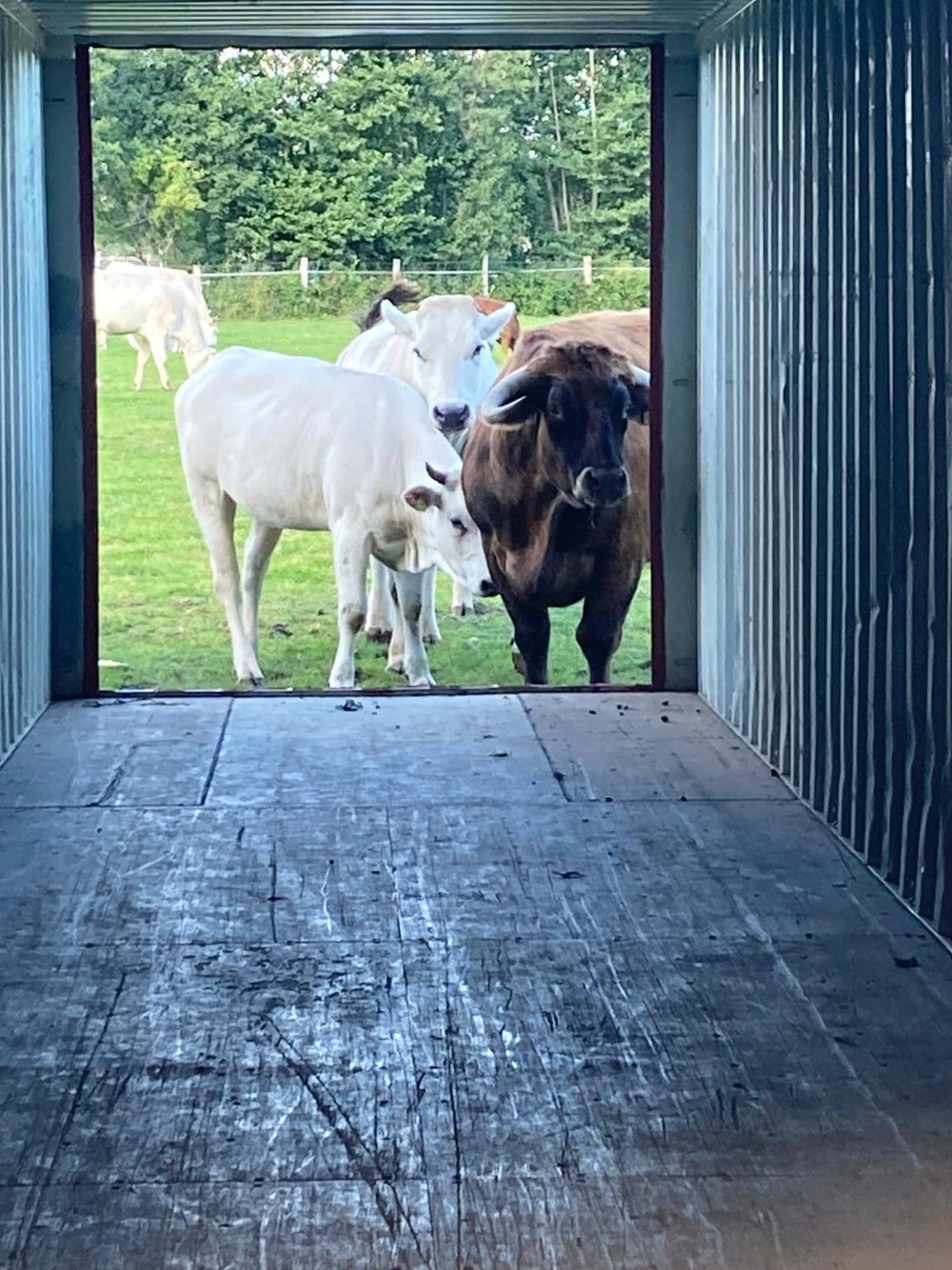
On hill country stations a container at the woolshed or an outlying yard holds fencing wire, standards, tools and the quad bike. A used wind and watertight unit is usually enough, and it can be lifted onto a truck and moved when the block is reorganised.
Horticulture
Orchards and vineyards
The Bay of Plenty grows about 80 percent of NZ kiwifruit, with the greatest concentration around Te Puke (Te Ara). Orchards and vineyards use containers for bins, picking gear and on-site offices, and refrigerated containers where produce has to be cooled before it leaves the property.
Lifestyle blocks
Small blocks with no shed
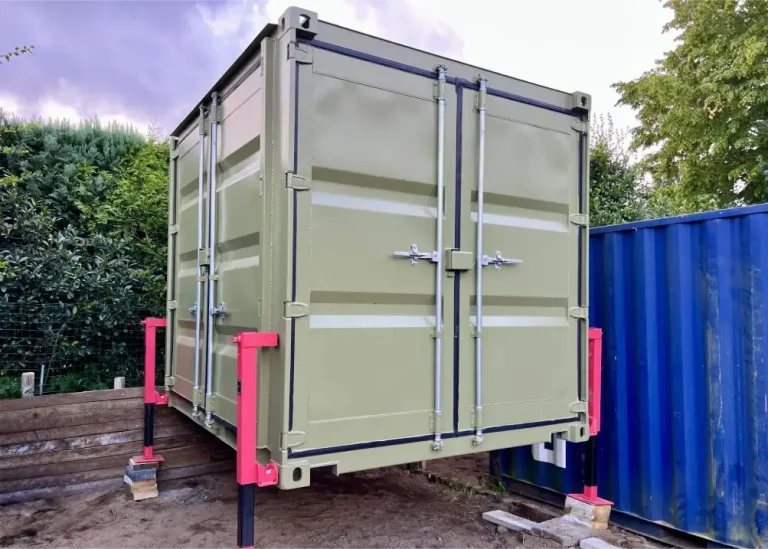
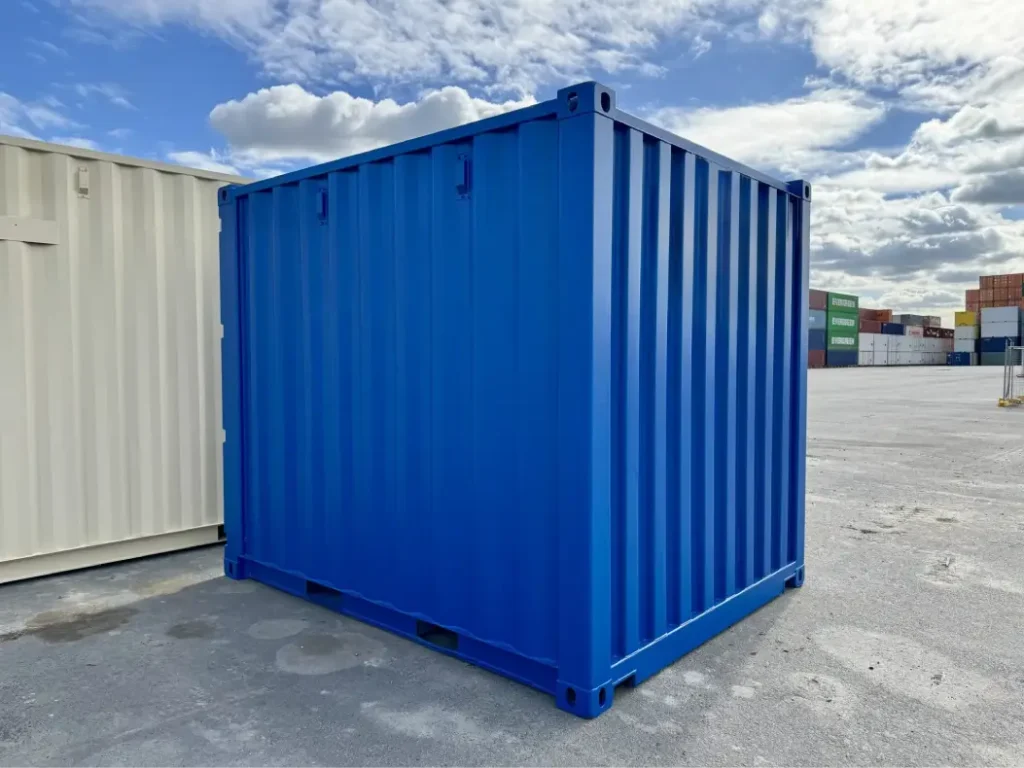
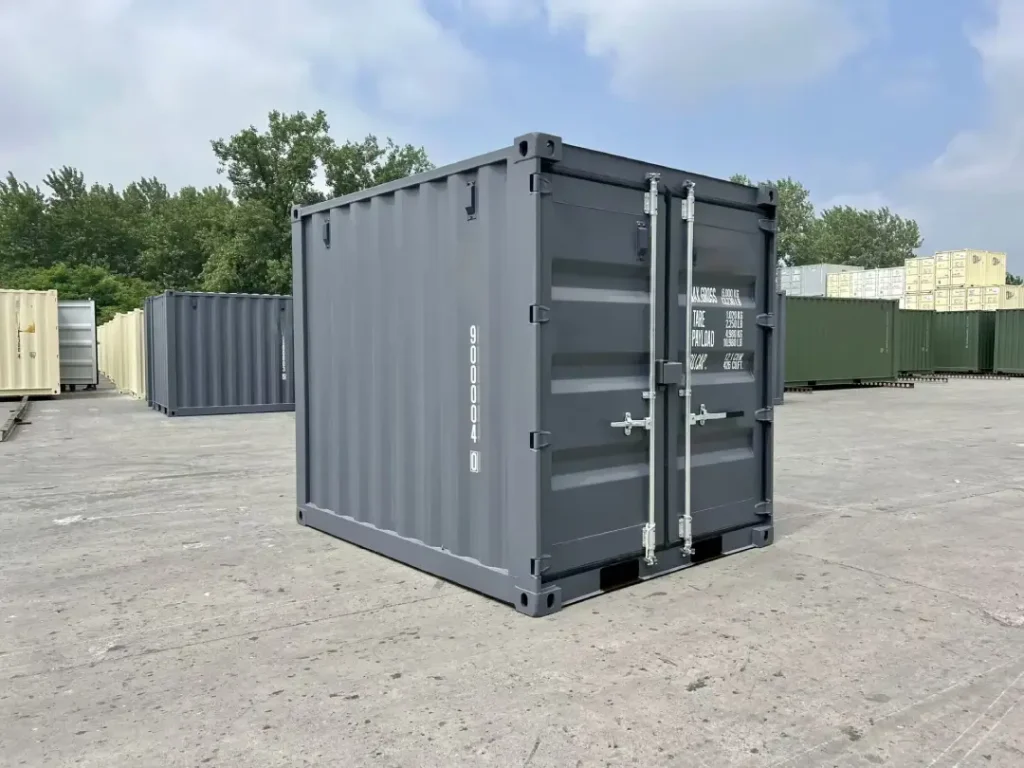
A lifestyle block often starts with no shed at all. A 20ft holds the ride-on mower, hay for a few animals, tools and building materials while you decide what to build on the block.
What goes inside
Feed, tools, machinery and chemicals
Feed
Condensation dripping from the roof is the main risk to bagged feed and fertiliser. Keep bags on pallets, away from the walls, and add vents. Check door seals and floor edges for gaps, because a container with intact seals keeps rats and mice away from the bags.
Tools and workshop gear
Fitted shelving turns a container into an organised tool store. A single-sided shelving unit for a 20ft was listed at $939.95 incl. GST on Trade Me in October 2026. Add lighting and a bench and it becomes a basic farm workshop.
Machinery
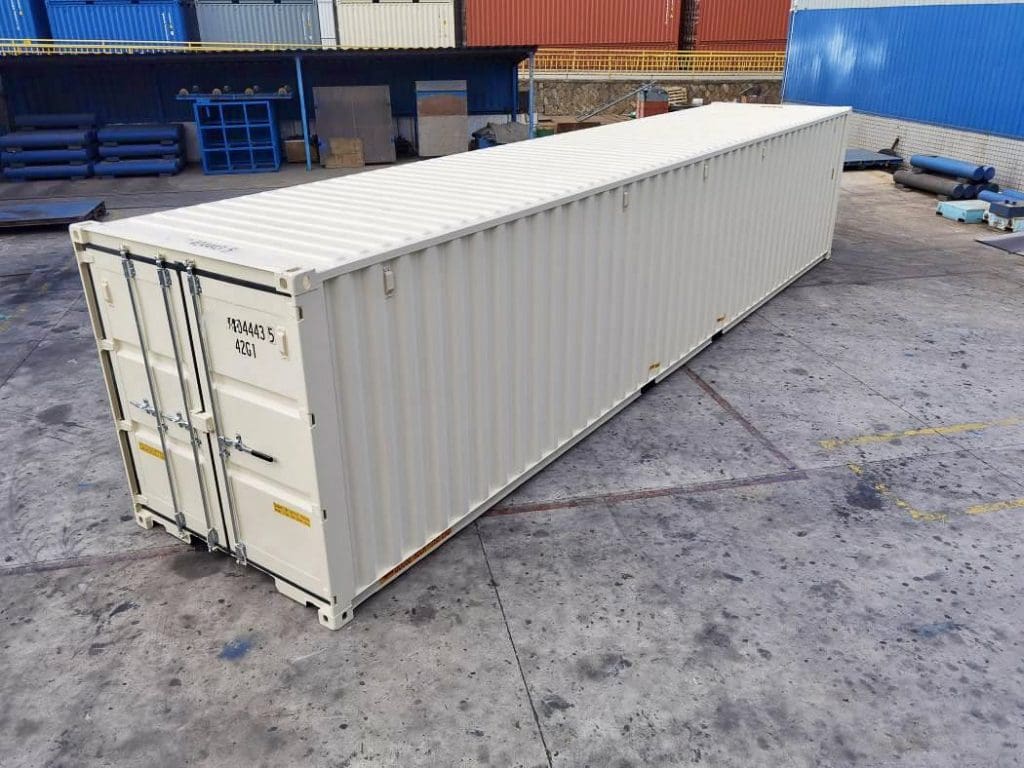
Standard container door openings are about 2.3 m wide, so measure the tractor, side by side or quad, including mirrors and roll bars, before you choose. A 40ft container or a high cube gives more length and height for larger machinery and implements.
Chemicals and fuel
A standard dry container is not automatically a compliant hazardous substances store. WorkSafe storage guidance requires separation of incompatible substances and ventilation, and larger quantities may need a certified store. Check your quantities with the Hazardous Substances Calculator and compare purpose-built dangerous goods containers.
Shelters and rules
Container shelters and consent on rural land
Shelters
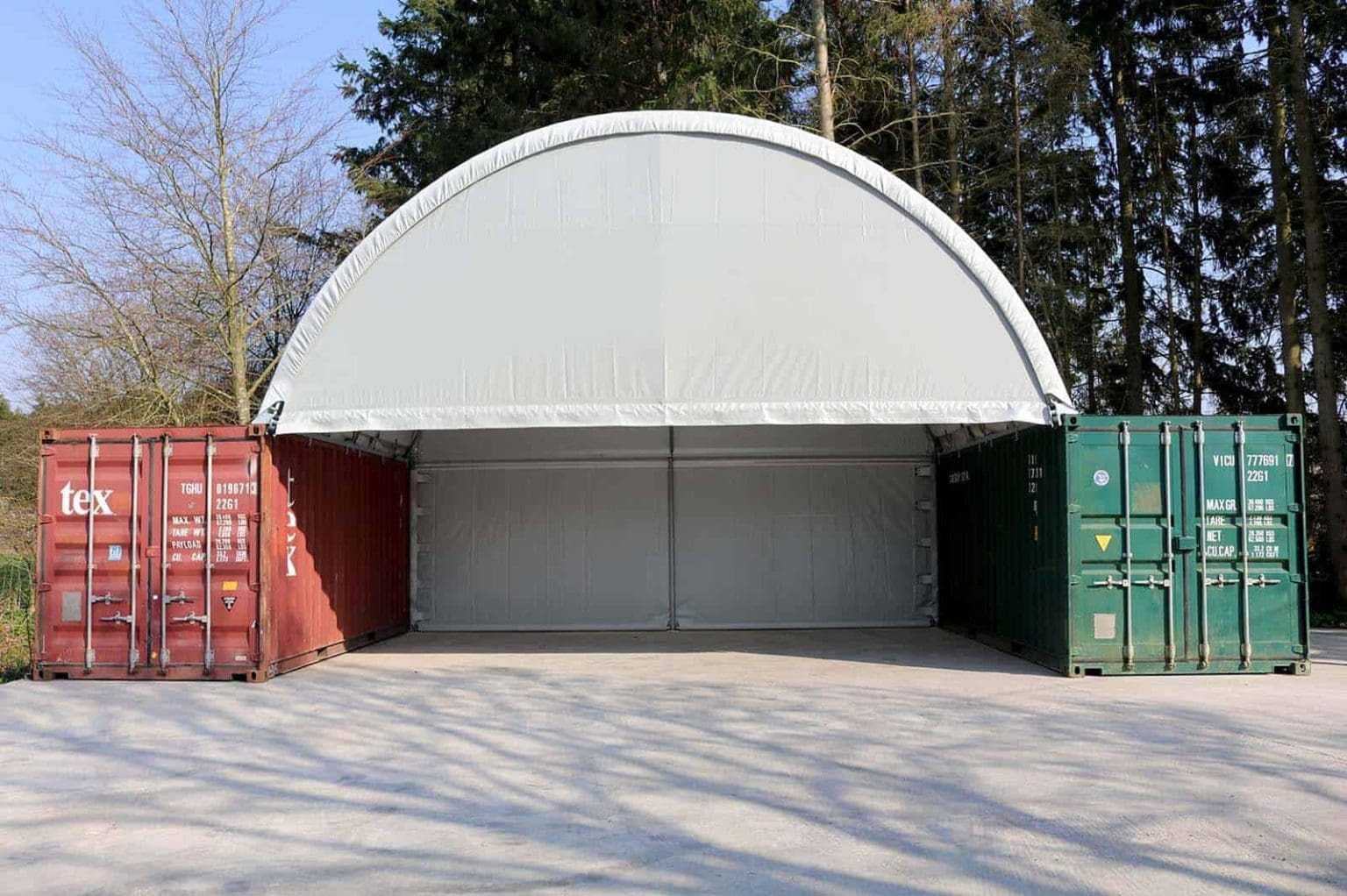
Two containers and a roof
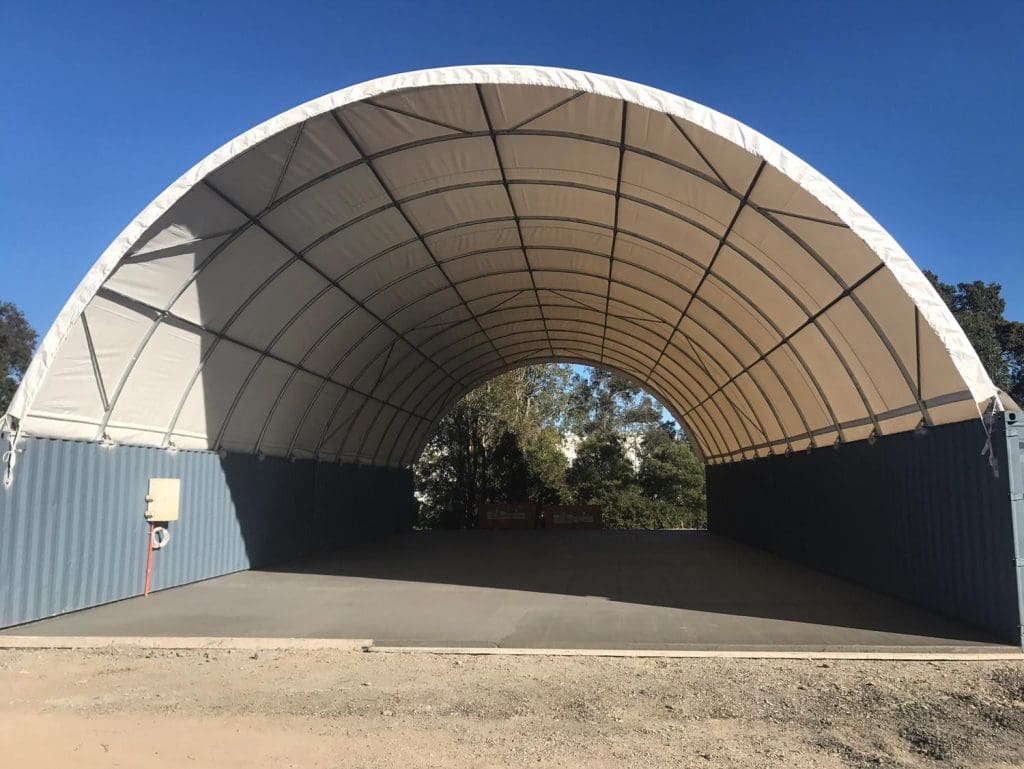
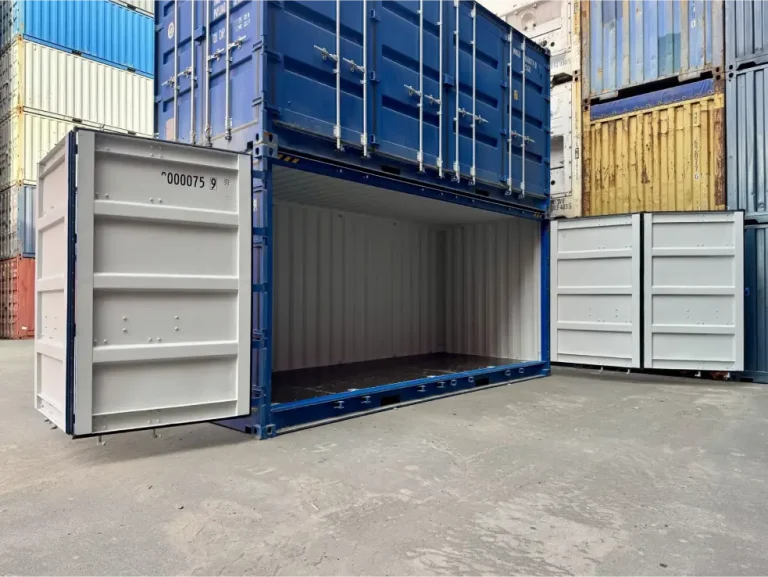
A roof kit spanning two containers creates a covered bay for machinery, hay or a calf pen, with lockable storage on both sides. Sizes, wind ratings and costs are on our container shelters page.
Consent
When a farm container needs consent
Placing a container for storage is generally not building work, but adding a roof can be. In MBIE Determination 2019/057 a roof built over containers in Hurunui needed consent, and in Determination 2025/018 container and canopy structures in Hamilton did too. District plans can also limit numbers and road setbacks; Timaru’s proposed plan rules refer to containers more than 20 m from the road boundary and a limit of two on smaller sites. Read the NZ container consent guide before ordering a shelter.
Delivery and grades
Rural delivery and choosing a grade
Rural delivery
Getting the container down the farm track
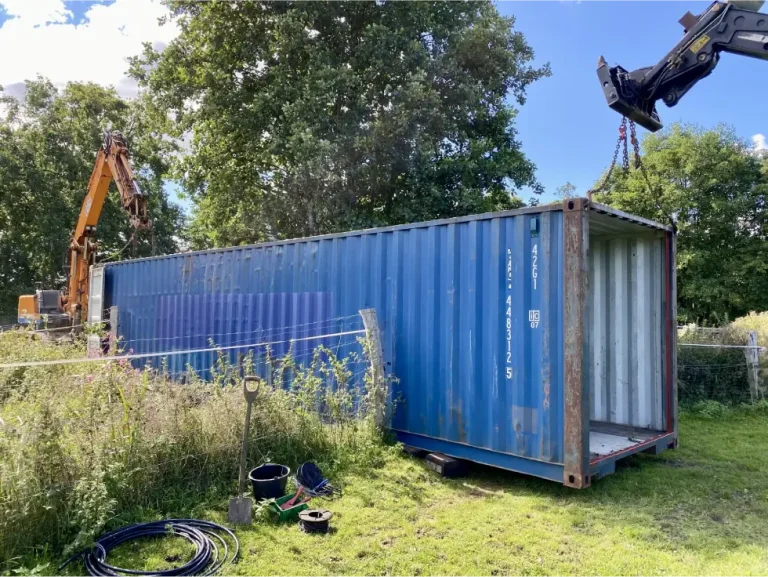
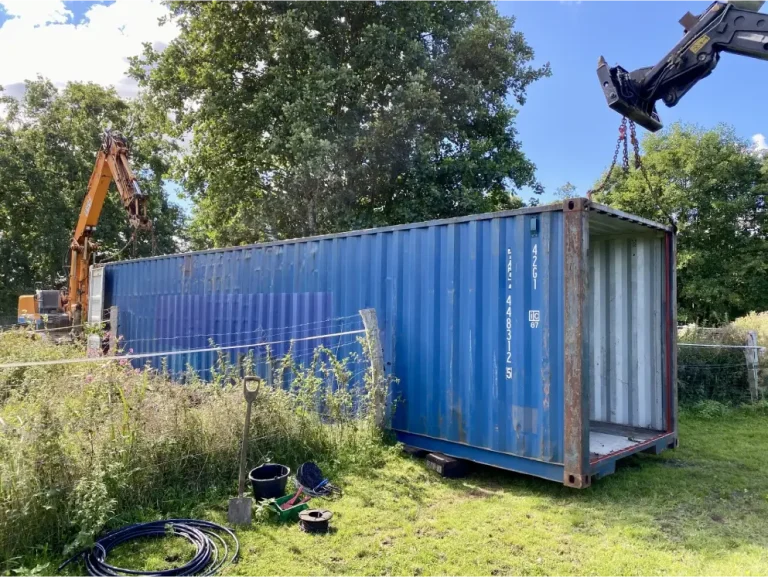
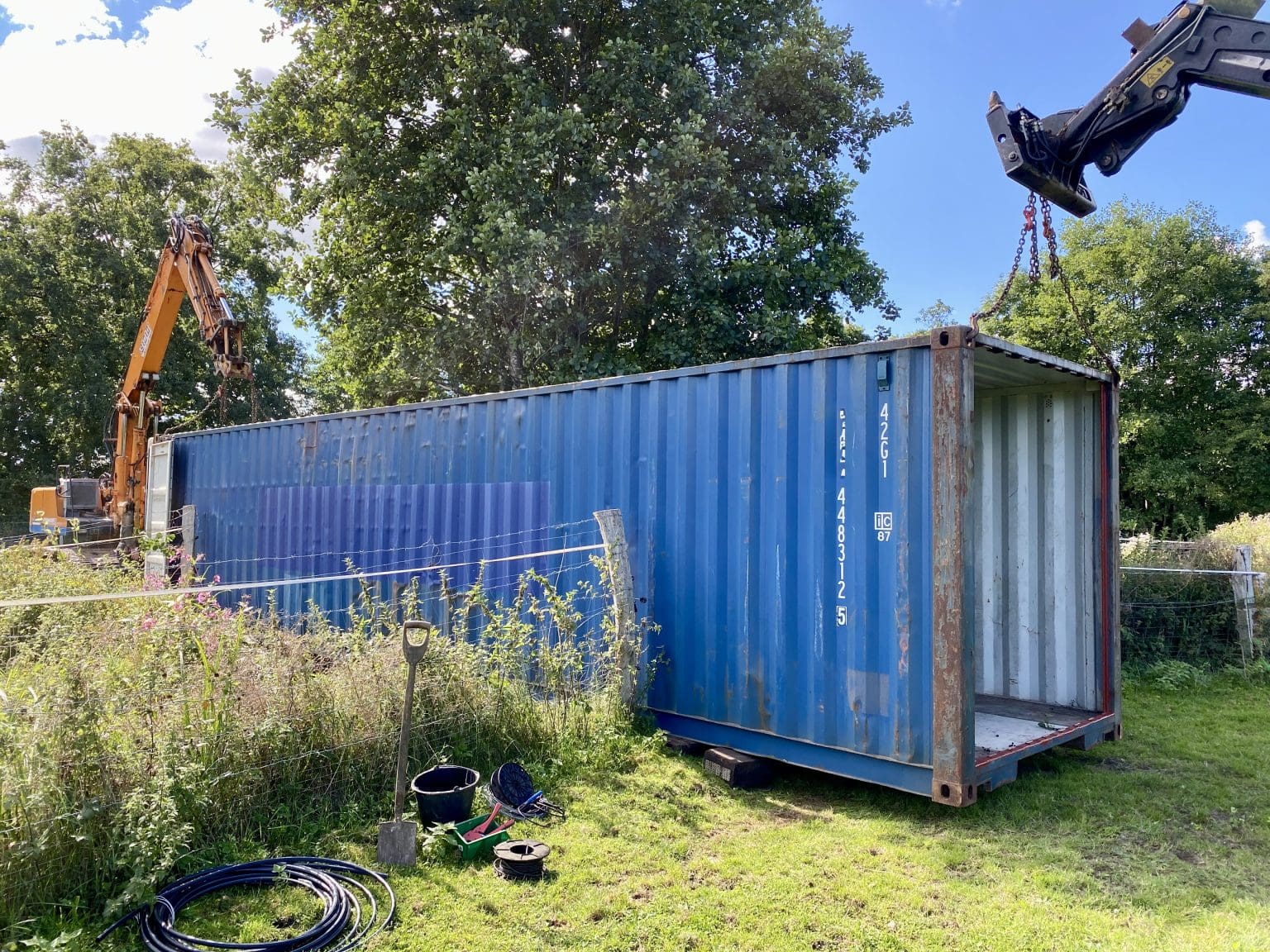
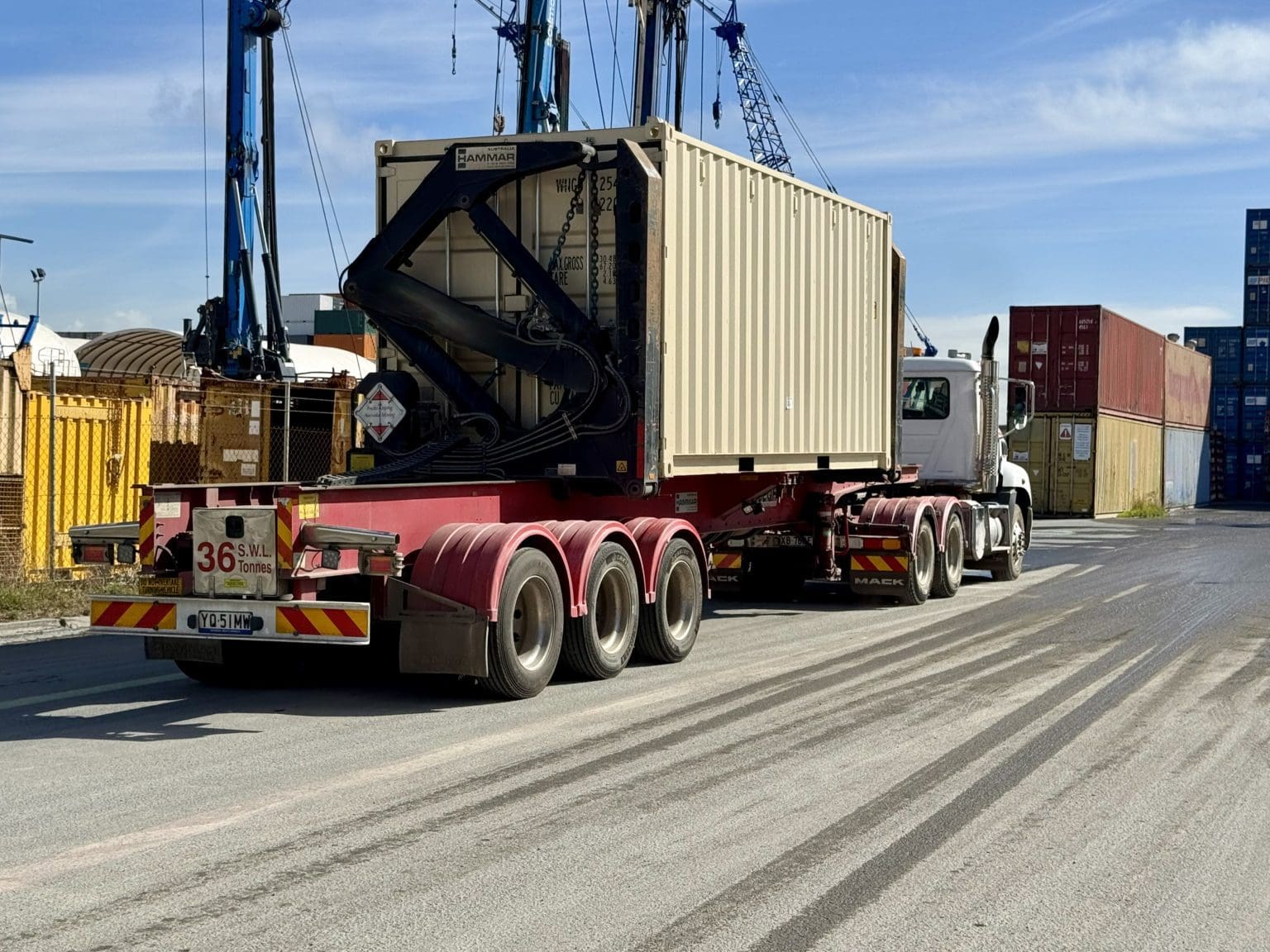
A swinglift needs a long, level, firm area beside the truck. A HIAB can reach over a fence but has limited outreach with a heavy 40ft. Wet winter paddocks, steep tracks, tight gateways and overhead lines are the usual problems, so add photos and a map pin to your farm container quote request, not only the postal address. Our HIAB vs swinglift comparison explains which truck suits which site.
Condition
Used grades are fine for most farm storage
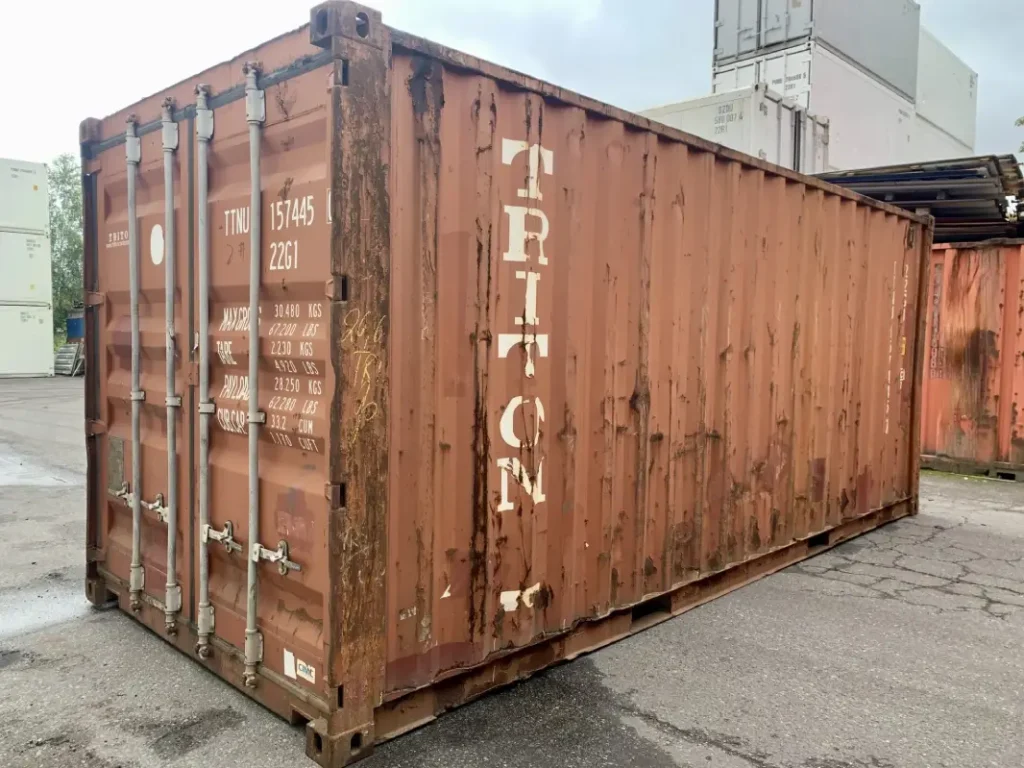
In the Shipping-Containers.co.nz NZ price index, October 2026, a used wind and watertight 20ft had a median asking price of $3,680 incl. GST, and used 40ft units ranged from $3,000 to $6,595 incl. GST. Check the floor, door seals and roof before paying. Our container grades guide explains the labels.
Container types
Browse your container options
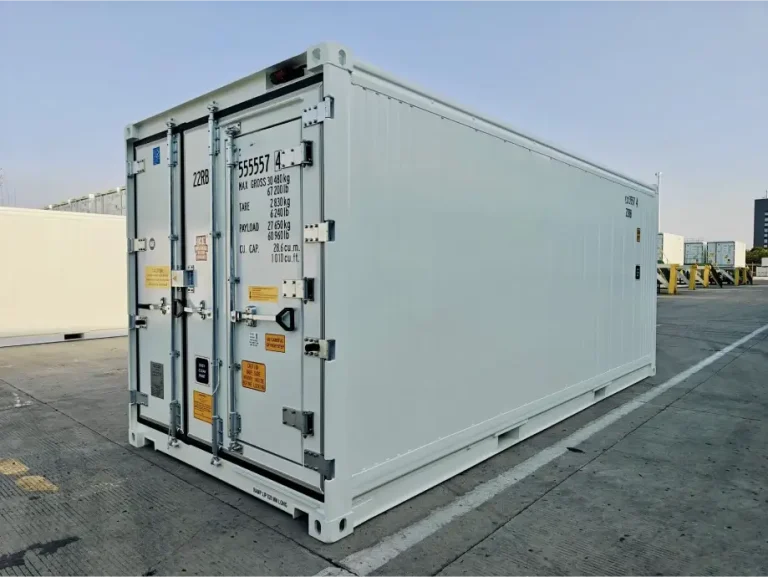
Get farm container quotes delivered to your property
Tell us the size, grade, what you plan to store and how the truck gets to the spot. Suppliers and transport operators who cover your district quote you directly.
Get a free quoteFAQ
Farm storage container questions
A 20ft container fits quad bikes, fencing gear, spare parts and small tools. For farm equipment storage with a ride-on mower, a small tractor or bulk feed, a 40ft or two 20ft containers with a roof between them give more room. Measure the machine against the door opening, not the inside length.
A container placed on the ground for storage generally does not, because placing it is not building work. Consent can be needed once you add a roof between containers, a fixed foundation, power, or use it as a workshop that people work in. Rural district plan rules on road setbacks and numbers of containers apply separately, so check with your council.
Measure the machine first. Standard door openings are about 2.3 m wide, and a high cube adds about 30 cm of height. A 20ft suits quads, mowers and tools. Tractors, side by sides and implements usually need a 40ft, a high cube, or a container shelter with an open bay between two containers.
Small quantities can be kept in a container if incompatible products are separated and the space is ventilated, but a standard container is not automatically a compliant store. WorkSafe rules depend on the substances and quantities. Use the Hazardous Substances Calculator, and consider a purpose-built dangerous goods container with bunding and vents for larger amounts or fuel.
Delivery is quoted per address because distance, truck type and access all change the price. One NZ supplier published 20ft delivery prices of $300 in Auckland, $500 to Hamilton and $1,100 to Kerikeri (2024, GST not stated). Long farm tracks, soft ground or a crane lift over a fence add cost, so describe access clearly in your request.