



High Cube vs Standard Container: Height and Cost

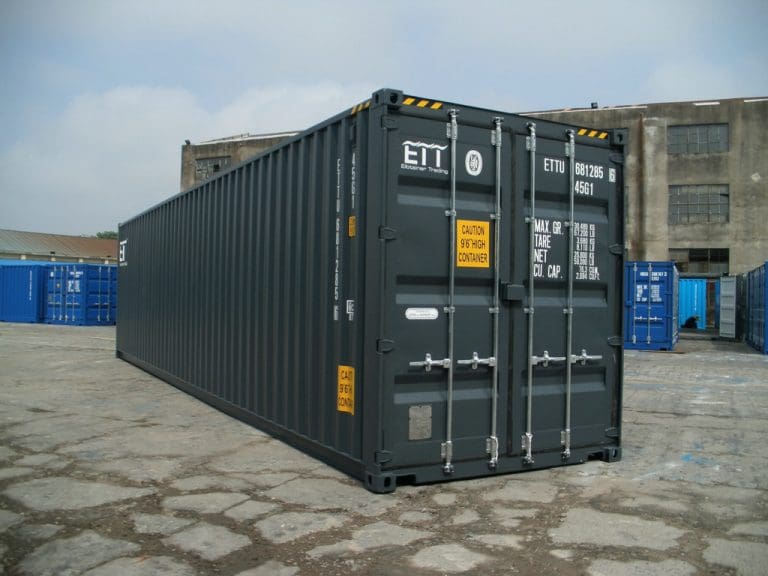
A high cube container is 305 mm taller than a standard one: 2.896 m outside instead of 2.591 m. Length and width stay the same. Those extra 30 cm make a big difference for some uses, such as homes, workshops and racking, and none at all for others. This guide compares the two heights, shows what the difference costs in New Zealand and helps you decide whether a high cube is worth it for your project.
Standard and high cube dimensions
Standard containers are often called GP (general purpose) or DV (dry van). High cubes are labelled HC or HQ on listings. Both come in 20ft and 40ft lengths.
| 20ft standard | 20ft high cube | 40ft standard | 40ft high cube | |
|---|---|---|---|---|
| External height | 2.591 m | 2.896 m | 2.591 m | 2.896 m |
| Internal height | about 2.39 m | about 2.69 m | about 2.39 m | about 2.69 m |
| Door opening height | about 2.28 m | about 2.58 m | about 2.28 m | about 2.58 m |
| Door opening width | about 2.34 m | about 2.34 m | about 2.34 m | about 2.34 m |
| Volume | about 33 m³ | about 37 m³ | about 67 m³ | about 76 m³ |
For the full set of lengths, widths and floor areas, see our shipping container dimensions page.
What the extra height gets you
The most useful gain is often the door, not the ceiling. A standard container’s door opening is about 2.28 m high; a high cube’s is about 2.58 m. That 30 cm decides whether a tall item goes through the doors at all. Inside, the extra height lets you stack pallets higher, fit taller shelving or a mezzanine, and stand up comfortably once a ceiling lining is installed.
When a high cube is worth it
Sleepouts, offices and container homes
Insulation and linings take height. A habitable container needs insulation in the ceiling and often under the floor as well, and Ruapehu District Council’s guidance on container conversions notes that high density polystyrene insulation products are generally needed to reach the H1 energy efficiency requirements inside a container. The H1/AS1 sixth edition reference building uses R6.6 for roofs, which is a lot of insulation to fit inside a steel box. In a standard container that build-up eats into a 2.39 m ceiling quickly; a high cube keeps usable headroom. That is why designers usually start container homes and sleepouts with high cube units. Our insulation guide covers the options.
Workshops
Overhead lights, a chain hoist, a roller door mechanism or tall machinery all need headroom. A 40ft high cube is the usual choice for a container workshop.
Racking and bulky storage
If you store on pallets, racking or shelving, the extra height adds roughly 12% more volume for the same footprint. For bulky items such as furniture, hay bales or tall equipment, check the door height first.
When a standard container makes more sense
- General storage of boxes, tools and household goods that will not be stacked to the ceiling.
- Buying used. Standard 20ft containers are the most common used unit in New Zealand, which gives you more choice and lower prices.
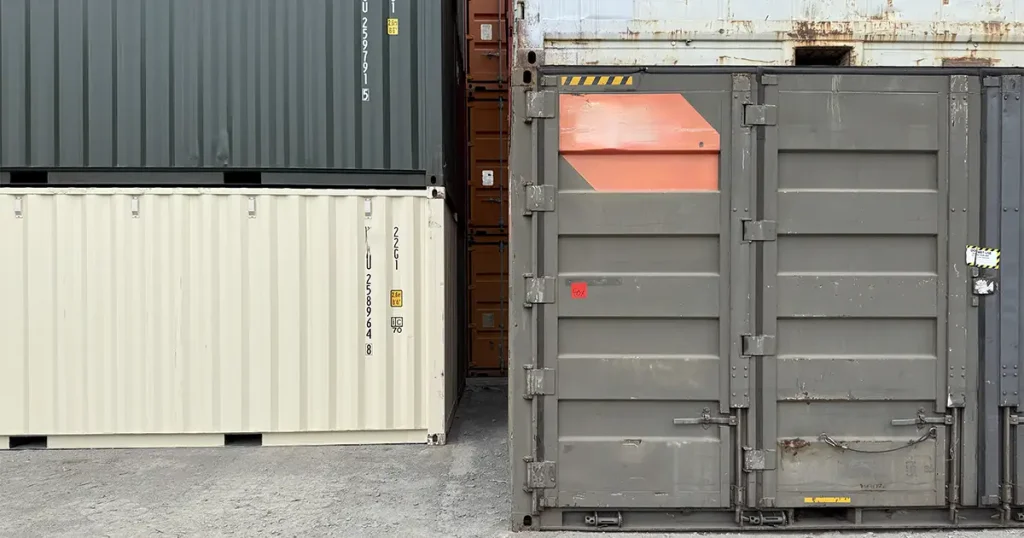
- Building a shelter roof between two containers, or joining containers. Heights must match, and owners of container builds report that matching heights and brands can be difficult. Buy both units at the same height, ideally from one supplier. See container shelters.
- Low overhead clearance on the delivery route or at the placement spot, such as power lines, trees or carports. A high cube on a truck stands about 30 cm taller.
What a high cube costs in New Zealand
In the Shipping-Containers.co.nz NZ price index, October 2026, a new 20ft high cube had a median asking price of $5,395 incl. GST across 13 listings, about $565 more than the $4,830 median for a new standard 20ft. For 40ft the comparison works the other way round: new 40ft containers on the NZ market are almost all high cubes, at $6,999 to $7,395 incl. GST for mainstream listings, and we found no published price for a new standard-height 40ft.
| Size | Standard height | High cube |
|---|---|---|
| 20ft new or one-trip | median $4,830 (n = 51) | median $5,395 (n = 13) |
| 20ft used | median $3,680, wind and watertight (n = 15) | few listings; one as-is unit at $3,278 |
| 40ft new or one-trip | no published price | $6,999 to $7,395 (n = 4, plus one at $10,595) |
| 40ft used, wind and watertight | $3,500 to $5,060 (n = 4) | $3,000 to $6,595 (n = 3) |
For a 20ft, the extra cost of a high cube is roughly 12% on the container price, and less once delivery is included. For a conversion that will be insulated and lined, that is a small share of the project. For plain storage, it may buy you height you never use.
Quick decision guide
- Choose high cube for sleepouts, offices, homes, workshops, tall machinery and pallet racking.
- Choose standard for general storage, used purchases on a budget, and anywhere it must match an existing standard container.
- For a new 40ft, expect a high cube unless a supplier confirms standard stock.
Compare the sizes on our high cube containers page. Our Australian site sets out standard vs high cube compared with photos of both. When you request quotes, state the height you need in your quote request, because HC and GP units are priced and stocked separately.
Ask for standard and high cube prices
Tell us the size, the use and the delivery address. Suppliers who service your area can quote both heights so you can see the real difference.
Get a free quoteFAQ
High cube vs standard: common questions
A high cube is 305 mm, or about 30 cm, taller than a standard container. Externally it stands 2.896 m high instead of 2.591 m. Internal height rises from about 2.39 m to about 2.69 m, and the door opening from about 2.28 m to about 2.58 m. Length and width are the same.
For homes, sleepouts, offices and workshops, usually yes, because insulation and linings take height and the taller door helps with large items. In October 2026 a new 20ft high cube cost a median of about $565 more than a standard 20ft incl. GST. For general storage that will not be stacked high, a standard container is normally enough.
HC and HQ both mean high cube, the 2.896 m tall version. GP stands for general purpose and DV for dry van; both describe a standard-height dry container at 2.591 m. You will see all four on NZ listings and invoices, often after the length, as in 20GP or 40HC.
Yes, but if you plan a shelter roof between them or want to join them, the height difference of about 30 cm complicates the build. Buy both containers at the same height where possible, ideally from the same supplier, and check whether the roof or joining work needs building consent.
They are hard to find. In October 2026 we found no published NZ price for a new standard-height 40ft, while new 40ft high cubes listed at $6,999 to $7,395 incl. GST. Container factories are concentrating production on 40ft high cubes. Used standard 40ft units are available, at $3,500 to $5,060 incl. GST in our data.
Andreas Atrott | Shipping container specialist and founder
Andy has worked with shipping containers since 2013. He runs shipping-containers.com.au from Brisbane and Shipping-Containers.co.nz for New Zealand buyers, and spends much of his time inspecting containers, checking grades and sorting out deliveries. His YouTube channel Andy Knows Containers covers buying, inspecting, delivering and converting containers.
Blog
More container guides

Do You Need Consent for a Shipping Container in NZ?
New vs Used Shipping Containers: NZ Buying Guide
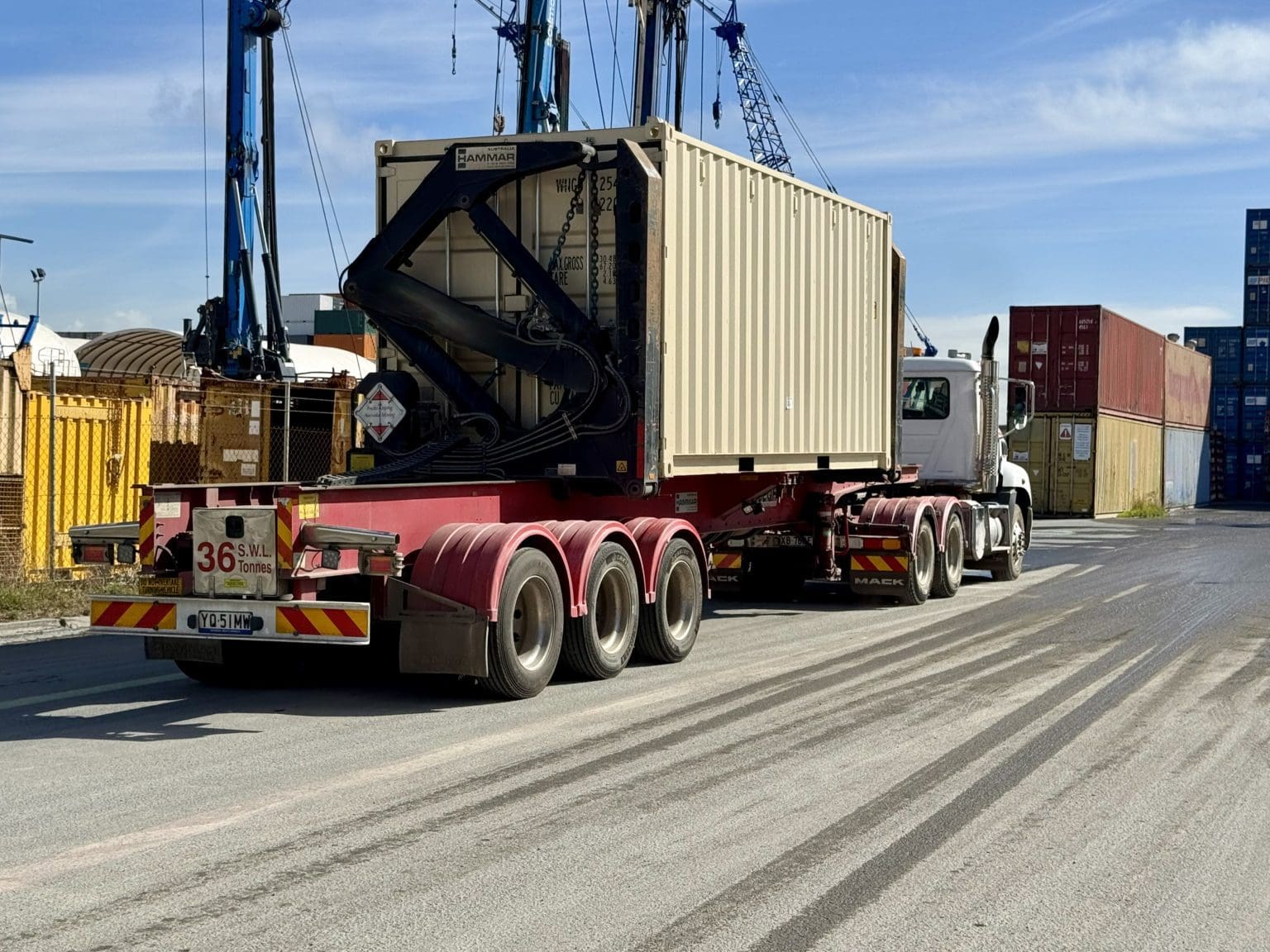
HIAB vs Swinglift: Container Delivery Options in NZ
Need a container for your project?
Tell us the size, condition and delivery address. Your request goes to suppliers who service your area.
Get a free quote