



Dangerous Goods Storage Containers
Dangerous goods containers are purpose-built stores for fuel, agrichemicals, paints, gas cylinders and other hazardous substances. They add features a standard container lacks, such as spill containment and ventilation. Whether a particular unit suits you depends on what you store, how much and where.
Backed by the team behind Shipping-Containers.com.au


The basics
DG containers and the rules behind them
Features
What makes a DG container different
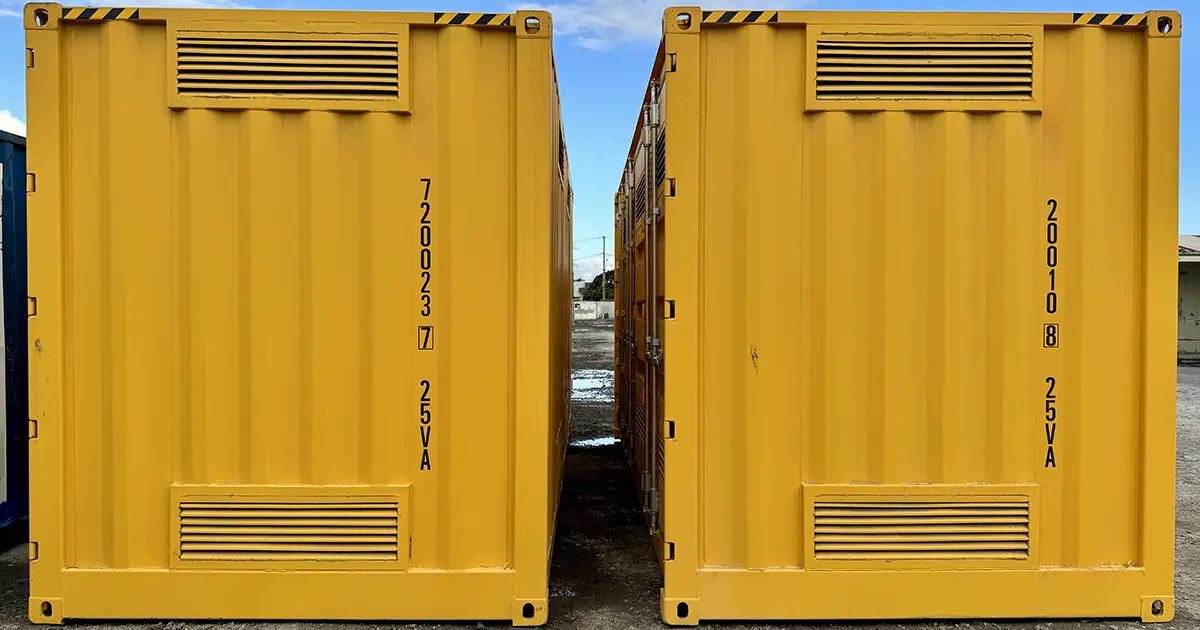
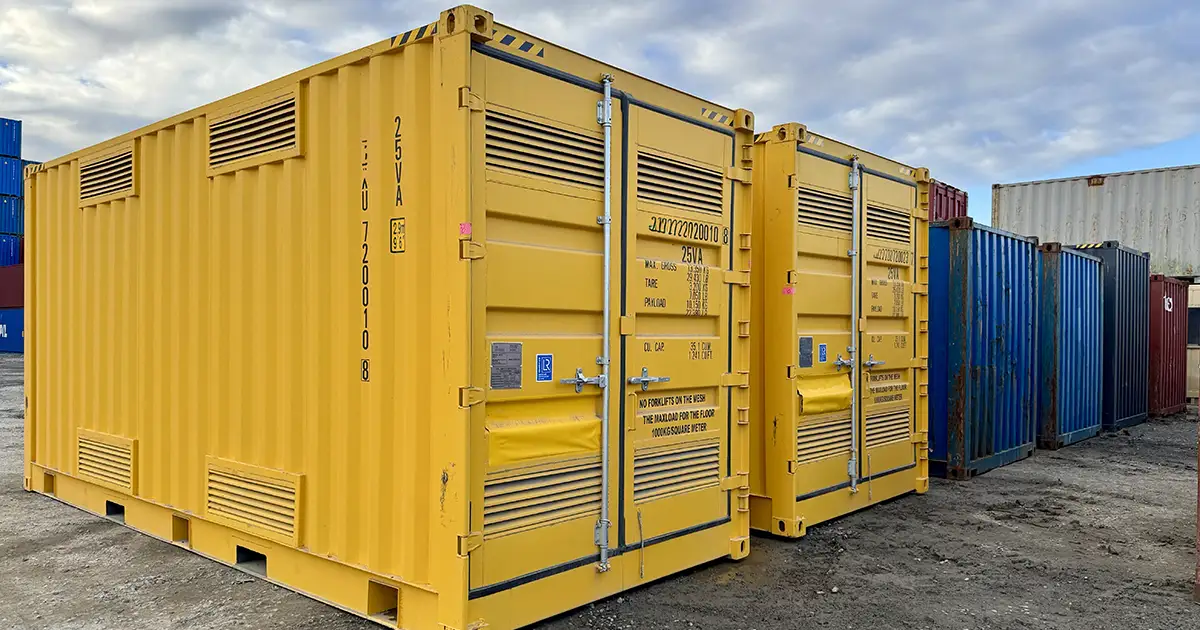
A standard dry container keeps weather out and cargo in. It has no spill containment, very little ventilation and nothing to separate incompatible products, so a lock alone does not make it a dangerous goods store. Purpose-built DG containers usually add:
- a bunded floor or sump under a grated floor to hold leaks and spills
- high and low ventilation to stop vapour building up
- hazard signage and space for placards
- shelving or bays that keep incompatible classes apart
Specifications vary between manufacturers. Ask for the sump capacity, the ventilation design, the substance classes the unit is designed for and any certification documents, and keep them with your hazardous substances records.
Law
The rules in New Zealand
Hazardous substances at workplaces are managed under the Health and Safety at Work (Hazardous Substances) Regulations 2017, and WorkSafe’s hazardous substances guidance explains what businesses must do. The Hazardous Substances and New Organisms (HSNO) Act governs how substances are approved and classified, and council guidance such as Grey District Council’s shipping container information sheet notes that it still applies where no building consent is needed. Farms, orchards and building sites are workplaces.
The duties set out in WorkSafe’s guidance on managing hazardous substances include an inventory of all hazardous substances, current safety data sheets, labelling, safe storage and signage, secondary containment, emergency plans and, for some substances, certified handlers and separation distances.
Storage
Storage requirements that affect your choice
WorkSafe’s storage guidance states that “Incompatible substances must be stored separately”. Small quantities of flammables can go in an approved metal cabinet, and it adds: “Very large amounts, or particular types of substances, may need to be kept in a dangerous goods store or separate building”. Stores need enough ventilation to prevent a build-up of vapours, with ignition sources kept away.
Above threshold quantities of flammable, oxidising, toxic or corrosive substances you may need a location compliance certificate, issued by a compliance certifier. The WorkSafe Hazardous Substances Calculator shows which requirements apply to your inventory, and WorkSafe publishes a regulatory clarification on separation distances for transportable containers holding class 6 and class 8 substances.
Agrichemicals and fuel on farms
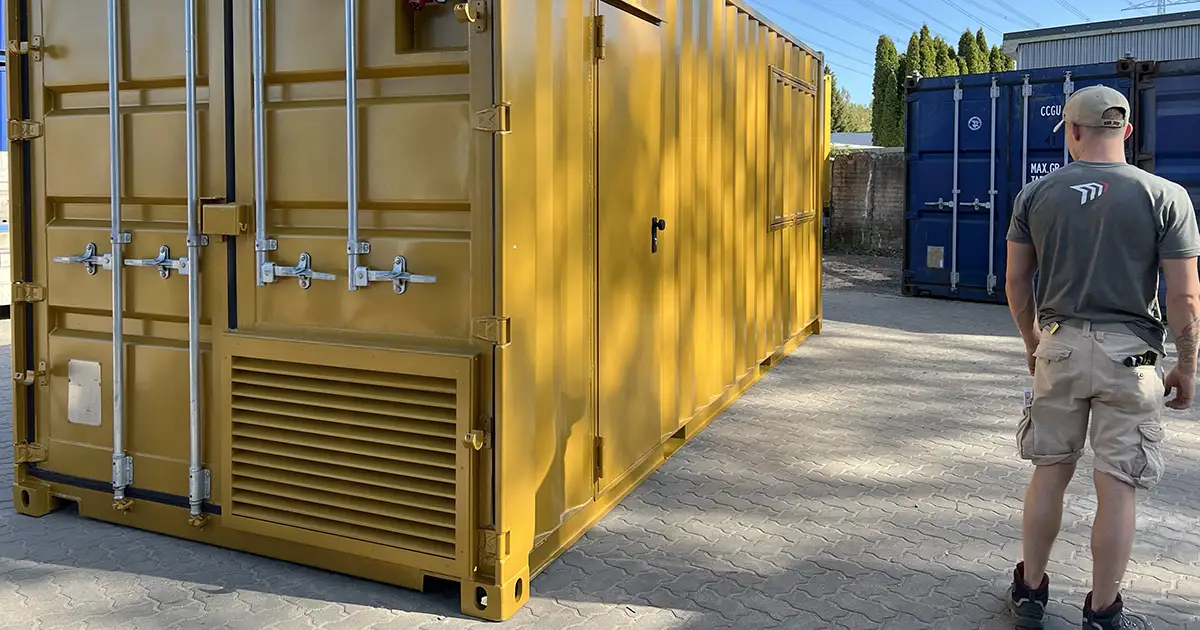
Farms and orchards commonly store herbicides, insecticides, fungicides, animal remedies, diesel and petrol, often in the same shed. A DG container helps keep these apart, keeps spills off the ground and away from drains and waterways, and gives you one locked point of control. It does not decide your compliance for you. Run your inventory through the calculator, check separation distances to houses, other buildings and boundaries, and talk to a compliance certifier if you are close to a threshold.
- Segregate substance classes as the safety data sheets and WorkSafe guidance direct.
- Keep liquids on the bunded floor or low shelves, not above head height.
- Place the store on firm, level ground away from drains and waterways, with clear access for emergency services.
- Keep safety data sheets and the emergency plan where they can be read without entering the store.
A DG container is mainly for drums, jerry cans and packaged products. Bulk fuel tanks have their own requirements. Our farm storage containers page covers rural placement and delivery.
| Container | Price incl. GST | Price excl. GST | Notes |
|---|---|---|---|
| 8ft dangerous goods | $10,350 | $9,000 | Trade Me start price, Christchurch |
| 10ft dangerous goods | $12,750 | $11,087 | Trade Me start price, Christchurch |
| 10ft dangerous goods, clearance | $3,997 | $3,476 | Supplier clearance list, August 2026 |
| 10ft standard new, for comparison | $4,200 to $6,095 | $3,652 to $5,300 | Median $4,995 incl. GST, 7 listings |
What DG containers cost
Purpose-built DG containers cost far more than standard containers of the same size because of the sump, ventilation and fit-out. In October 2026, 8ft and 10ft DG units were listed at $10,350 and $12,750 incl. GST, against a median of $4,995 incl. GST for a standard new 10ft container. A 10ft DG unit on a supplier clearance list was priced at $3,476 excl. GST, which shows how much clearance stock varies. Compare current figures in the NZ shipping container price index, and confirm with each supplier exactly which features and documents are included.
Consent and placement
A container placed on level ground is generally not building work. A DG store fixed to a concrete pad, wired for lighting or extraction, or built into a larger structure can need building consent, and your district plan may set its own setback rules. Check with your council early, and read our guide to building consent for shipping containers. For pads and footings, see the container foundations guide.
Options
Conversions, sites and delivery
Conversions
Converting a standard container
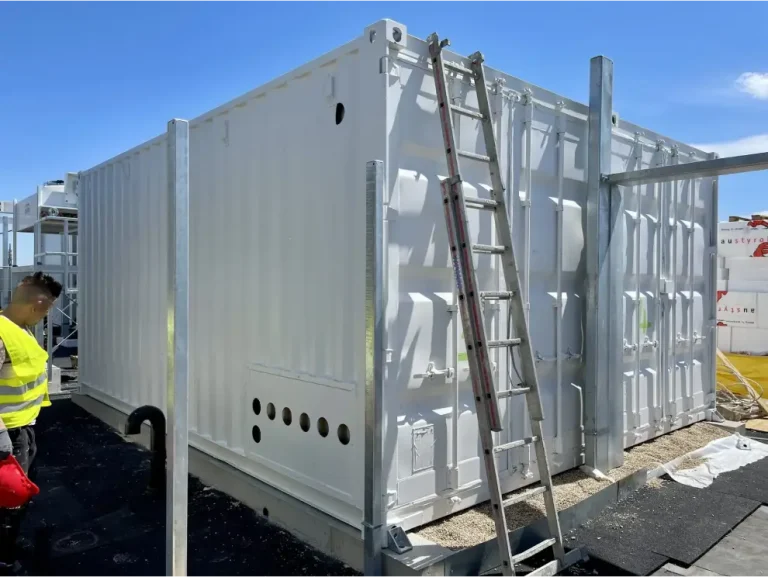
Some suppliers convert standard containers into DG stores by fitting a sump, vents and signage. Done properly this can work for some classes and quantities, but the result has to meet the same requirements as a purpose-built unit. Ask who designed the conversion and what documentation comes with it. Our container modifications page explains how modification quotes work.
Sites
Building sites and workshops
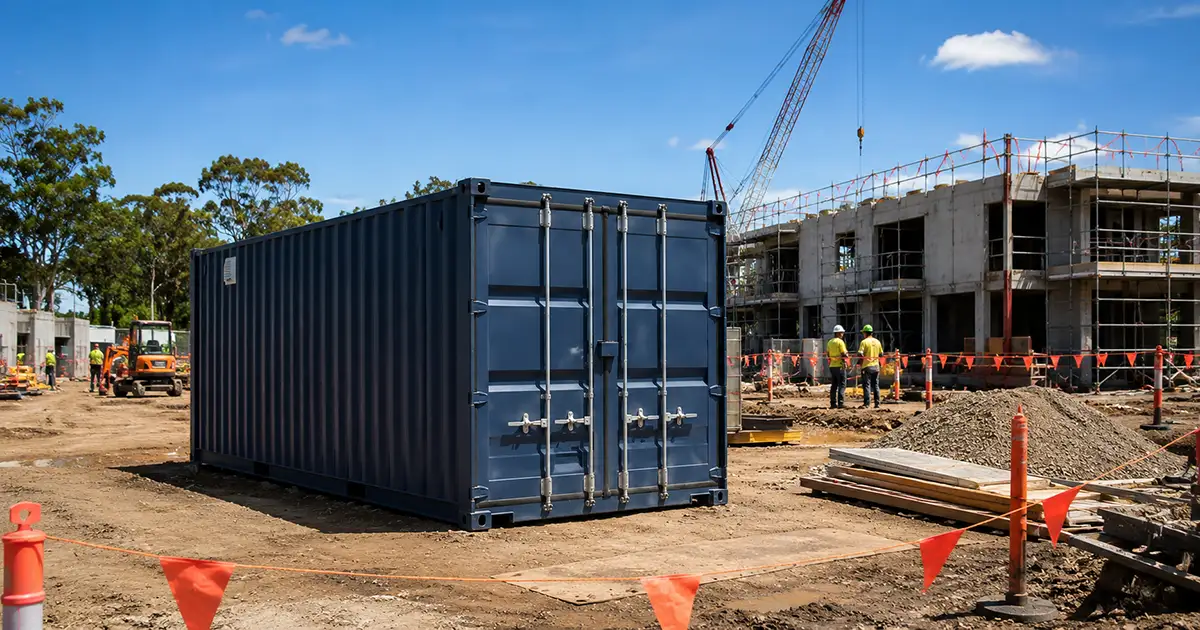
Builders, painters and engineering workshops use smaller DG units for solvents, paints, gas cylinders and fuel for plant. On a building site the store must still meet the separation and signage rules for what it holds, even if it is only there for the length of the job. See site storage and workshop containers.
Delivery
Delivery of DG containers
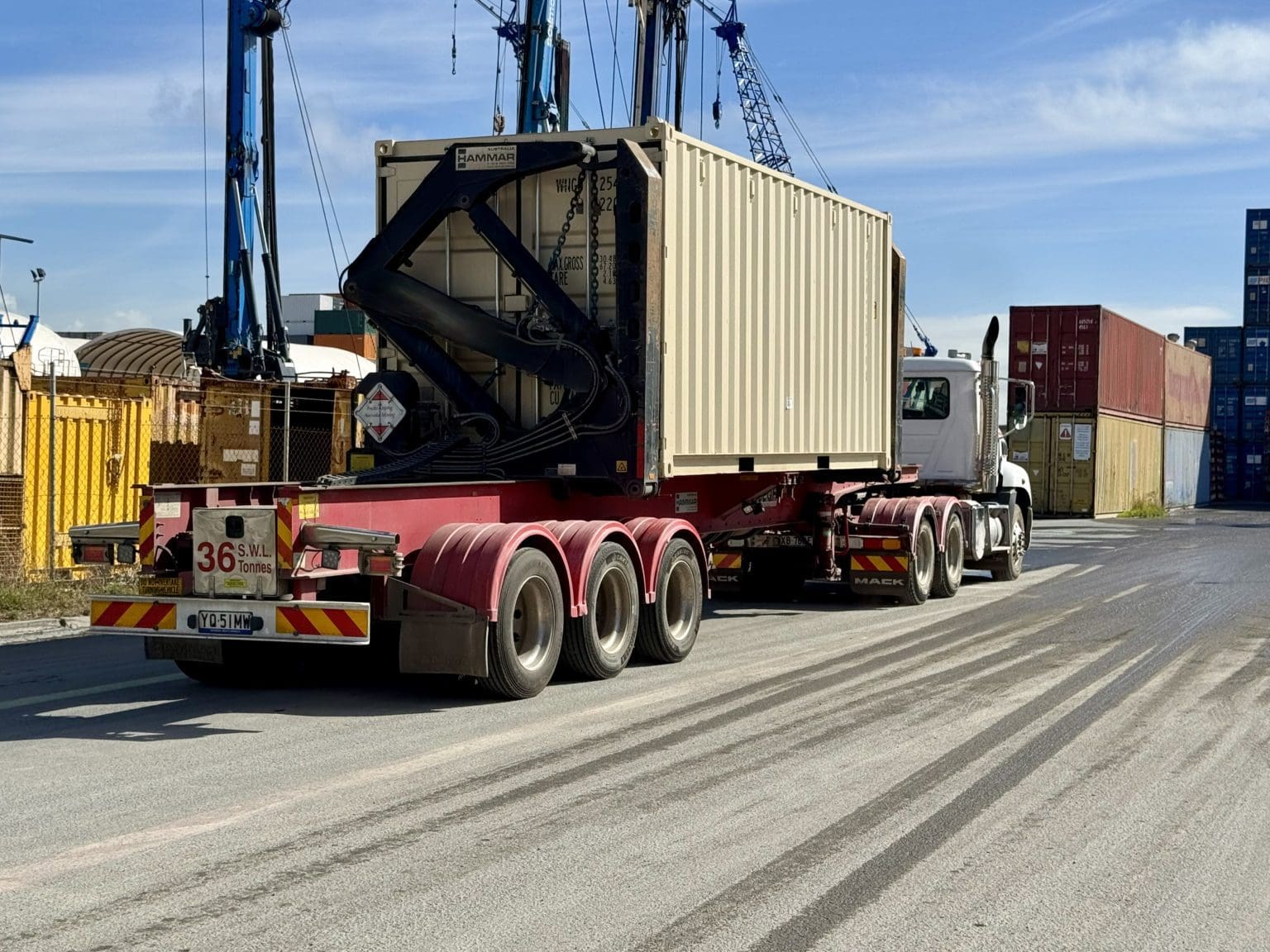
Empty DG containers move like standard containers, and 8ft and 10ft units suit HIAB delivery into tight farm yards and workshops. Do not ask a transport operator to move a store with substances inside unless they have agreed to it and the load meets dangerous goods transport rules. When you request quotes through our quote form, list the substance types and quantities so suppliers can suggest a suitable unit.
Describe what you need to store
List the substance types, approximate quantities and the site address. Suppliers who service your area quote directly, and you can ask each one for the unit’s specifications before you decide.
Get a free quote
FAQ
Dangerous goods container questions
A standard container keeps chemicals locked away and out of the weather, but it has no spill containment, little ventilation and no separation between classes. Small quantities may be manageable with bunding trays, added vents and careful segregation, while larger inventories can require a purpose-built store. Use the WorkSafe Hazardous Substances Calculator to see what applies to your quantities before you decide.
You may need one if you hold more than the threshold quantities of certain flammable, oxidising, toxic or corrosive substances. The threshold depends on the substance classes and amounts. The WorkSafe calculator shows whether your inventory triggers it, and a compliance certifier issues the certificate after checking the store and the site. Plan this before you buy the container.
No container is compliant on its own. Compliance depends on the substances, quantities, the location of the store, separation distances, signage, emergency plans and how the store is managed. A purpose-built unit makes compliance easier. Ask the supplier which substance classes the unit is designed for and which documents come with it, and check the rest against WorkSafe guidance or with a compliance certifier.
Drums and jerry cans of fuel are commonly kept in DG containers designed for flammable liquids, with ventilation and spill containment. Keep ignition sources away, keep fuel apart from incompatible substances and check quantity thresholds with the WorkSafe calculator. Bulk fuel tanks have separate requirements and are not normally housed inside a container.
Small DG stores of 8ft and 10ft suit farms, workshops and building sites, and larger 20ft and 40ft units suit bigger inventories, sometimes with separate compartments for different classes. Smaller units are easier to place close to where chemicals are used and are often delivered by HIAB. Tell suppliers your inventory so they can suggest a size.