



Shipping Container Delivery in NZ: Costs and Site Access
A container is only as useful as the spot it ends up in. Delivery in New Zealand is quoted per address, and the truck is chosen to suit your site. This guide covers access, truck types, site preparation and what happens on delivery day.
Backed by the team behind Shipping-Containers.com.au



How it works
How shipping container delivery works
Before you buy
Delivery is quoted per address
NZ suppliers and transport operators do not publish per-kilometre rates. They quote each address, based on the distance from the depot, the truck needed and the access. Give the full physical address, a map pin for rural properties, photos of the route in, and the spot where the container should go. Published examples and cost drivers are in our guide to shipping container transport costs.
Choosing the truck
The site decides the truck
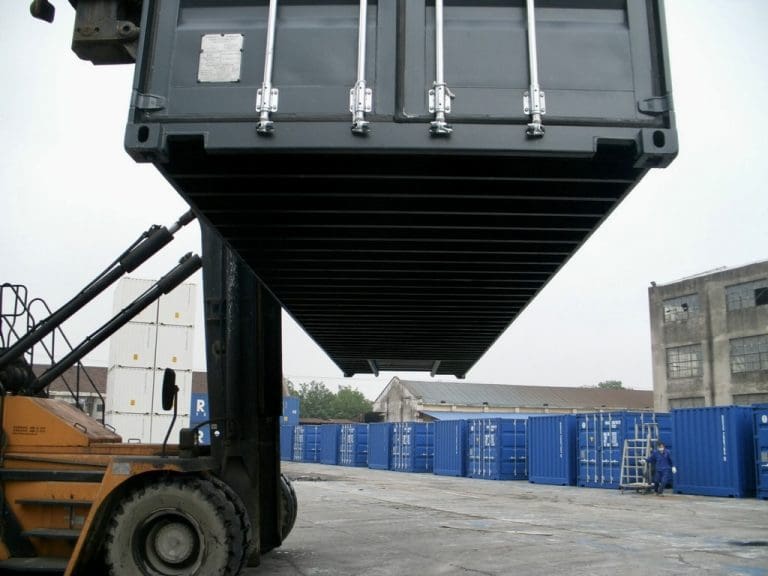
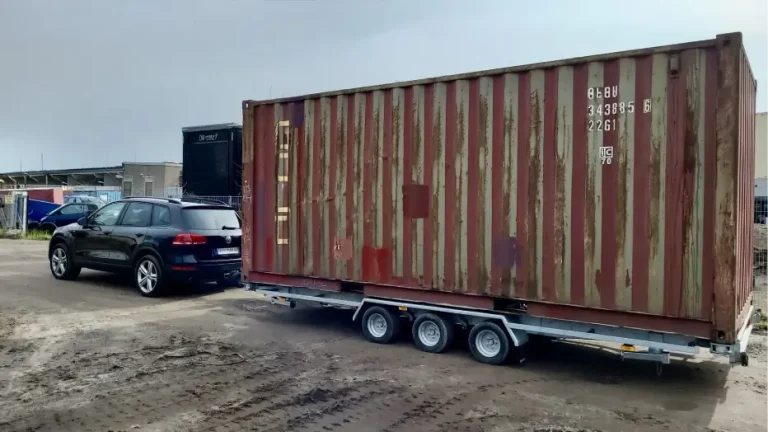
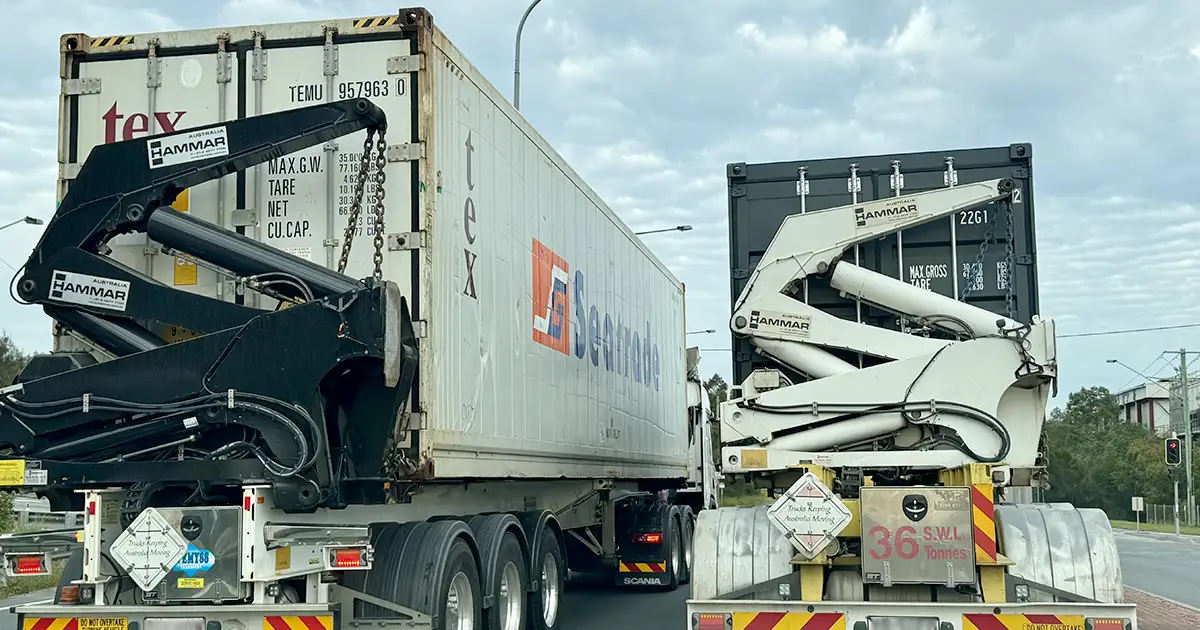
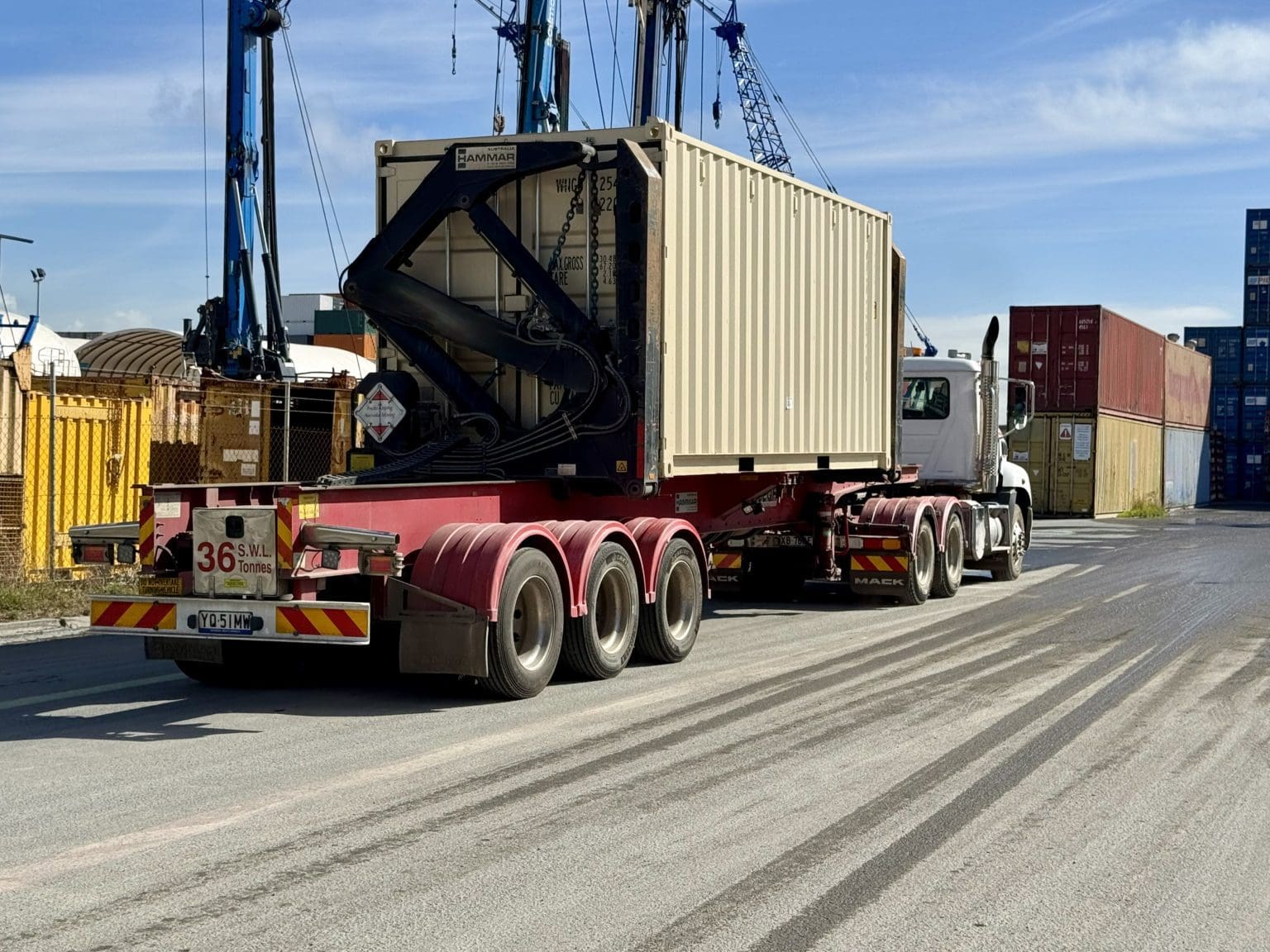
Three truck types do most container deliveries in New Zealand: a HIAB crane truck, a swinglift (side loader) and a tilt tray or flat deck. Each needs a different kind of space. A tilt tray needs a long straight run, a swinglift needs room alongside the truck, and a HIAB needs firm ground for its stabiliser legs. Our HIAB vs swinglift guide compares them in detail.
Placement
Agree the position and door direction
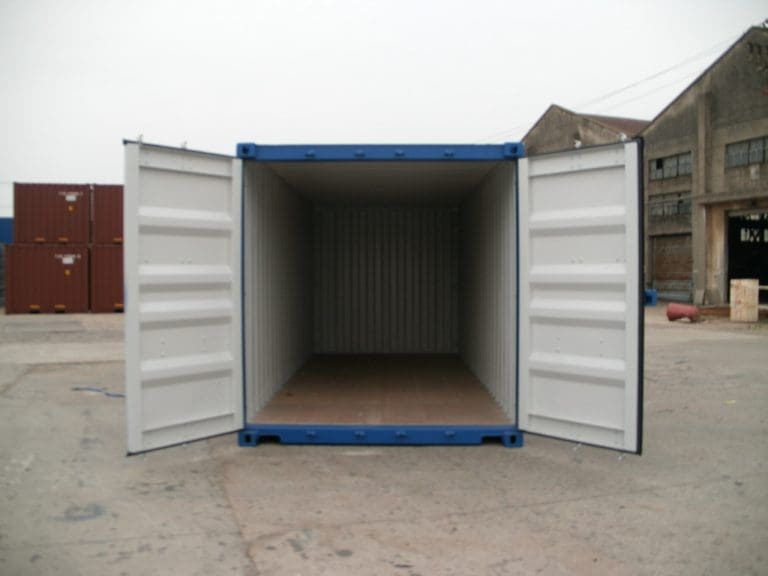
Decide which way the doors should face before the truck arrives. On a tilt tray the door direction depends on how the container was loaded at the depot, so it has to be agreed at booking. Leave space in front of the doors to swing them fully open and to load. A 20ft is about 6.06 m long and 2.44 m wide outside; a 40ft is about 12.19 m long. See container dimensions for the full figures.
Site access
Site access requirements to check
Access width
Plan for a clear access width of at least 3.5 to 4 m along the route, including gateways. Measure the narrowest point, not the widest. Parked cars, fences, letterboxes and garden beds all count. If a gate is narrower, ask whether it can be removed for the day.
Overhead clearance
A tilt tray raises its deck to slide the container off, and the raised end is often quoted at 7 m or more for a 20ft. Swinglift crane arms and HIAB booms also need height. Look up for branches, eaves, carports and cables along the route and at the drop point.
Power lines
Cranes and tilting decks must keep a safe distance from overhead lines. The NZ code of practice NZECP 34 sets minimum approach distances for mobile plant, commonly cited as 4 m. Confirm the distance with WorkSafe or your lines company, which can arrange consent, line covers or a shutdown.
Ground conditions
A loaded truck and the container need firm, level ground. Lawns and paddocks that are fine in summer can be too soft after rain in a wet NZ winter. HIAB stabiliser legs concentrate weight on small pads, so they need firm ground; soft or uneven ground under them can stop a delivery.
Turning and run-off space
A tilt tray needs a straight run-off of about twice the container length. A swinglift needs a firm, level strip roughly the length of the truck and trailer, plus about 4 to 5 m of width beside it for the container and stabiliser legs. Check there is room to turn or reverse out.
Slope and neighbours
Steep drives limit which trucks can work safely, which is common on Wellington and Dunedin hill sections. If the truck must stand on the road, overhang a neighbour’s property or block a shared drive, arrange permission or a permit in advance.
| HIAB (crane truck) | Swinglift (side loader) | Tilt tray or flat deck | |
|---|---|---|---|
| How it unloads | Truck-mounted knuckle-boom crane lifts the container off | Two cranes lift the container off the side of the trailer | Deck tilts and the container slides off the back |
| Typical sizes | Often 10ft and 20ft; limited by reach and weight | Common for 20ft and 40ft | Depends on deck length; ask the operator |
| Can lift over a fence or onto a pad | Yes, within its reach | Sets down beside the trailer, at ground level, on a pad or onto another truck | No, the container is placed behind the truck |
| Space needed | Room for the truck plus firm ground for stabiliser legs | Long, level strip plus about 4 to 5 m width beside the truck | Straight run-off of about twice the container length |
| Overhead clearance | Boom height at the lift | Crane arms above the container | Raised deck end, often quoted at 7 m or more for a 20ft |
| Relative cost | Usually the more expensive option | Depends on distance and set-up time | One supplier calls the flat deck its cheapest option |
Site preparation
Preparing the site
Base
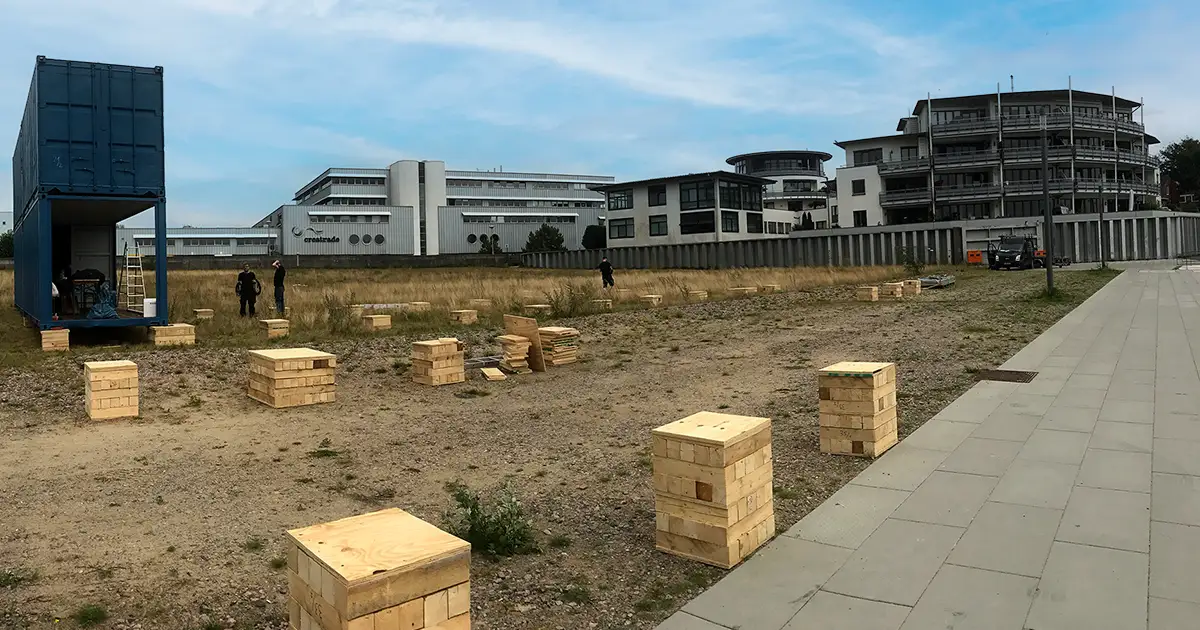
Give the container a level, firm base
For storage, a container can sit on timber sleepers, concrete pads under the four corner castings or compacted gravel. Placing a container this way is not building work, according to an MBIE determination and council guidance. A level base keeps the doors opening and closing freely and lifts the floor off wet ground. Our shipping container foundations guide compares the options.
Clearing
Clear the route and the drop point
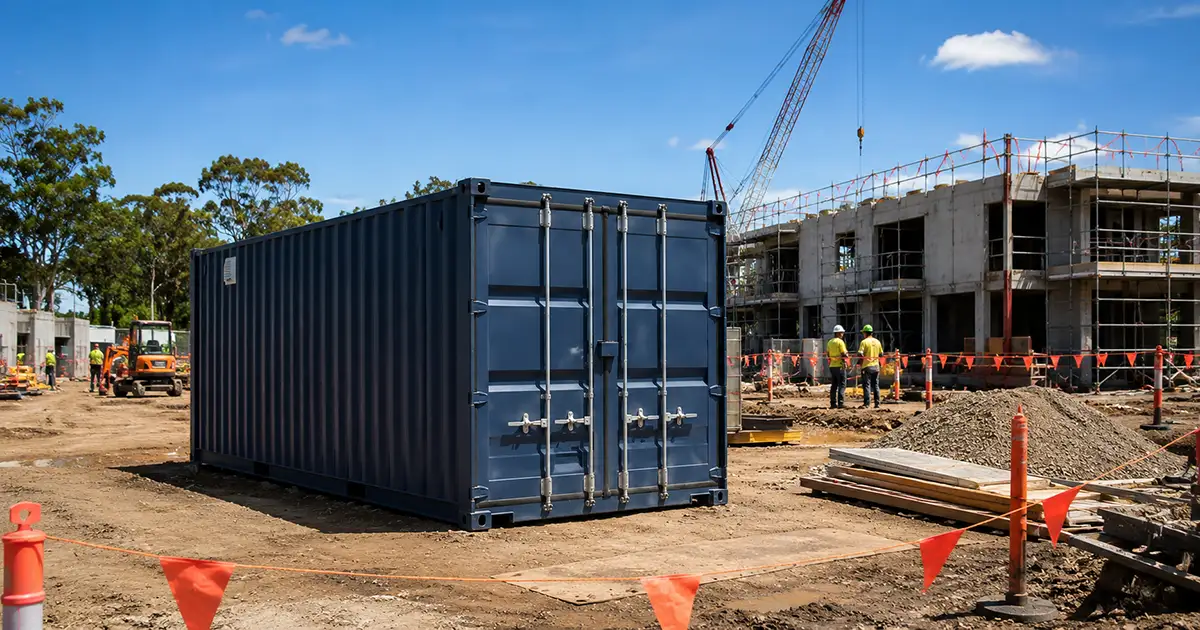
Move vehicles, trailers and anything stored along the route. Trim branches, take down temporary fencing and mark soft spots, septic tanks, water pipes and drains that a truck must avoid. Set out the corners of the container position with pegs or paint so the driver can see exactly where it goes.
Permits
Arrange any road permit early
If the truck will unload from the street or the container will sit on the road, you usually need a permit. Wellington City Council asks for skip bin permits at least two working days ahead, Porirua five working days, and Auckland Transport handles work on roads, footpaths and berms through a corridor access request. See shipping containers in Wellington for hill-site tips.
What happens on delivery day
- Confirm the delivery window with the supplier the day before, and keep your phone on so the driver can call on the way.
- Be on site, or have someone there who knows exactly where the container goes and which way the doors face.
- The driver walks the route and the drop point before unloading. If something has changed, such as a parked car, wet ground or a new branch, they may need to adjust the plan or stop.
- The truck sets up: a HIAB or swinglift puts down its stabiliser legs, or a tilt tray lines up with the run-off.
- The container is lifted or slid into place on your base. Small adjustments are easiest while the container is still attached to the crane.
- Check the doors open and close freely and the container sits level before the driver leaves. Note any damage on the delivery docket.
Time on site matters because some operators charge by the hour. A prepared site with a marked position is the quickest and cheapest delivery. Our Australian site has a step-by-step guide on how to transport a shipping container; the truck types and space needs are the same in New Zealand.
Island deliveries
Island deliveries add a sea crossing and a second truck at the far end, so they take longer to arrange and cost more.
- Waiheke Island and Great Barrier Island (Aotea): SeaLink runs daily freight to Waiheke and regular services to Great Barrier, lists shipping containers as a service and has a HIAB crane truck on Waiheke on weekdays by booking. Freight is booked a day ahead and is not accepted at the ferry terminals. Our Auckland page has more on Hauraki Gulf deliveries.
- Stewart Island (Rakiura): the Bluff to Oban ferry carries passengers only and does not take vehicles. A container needs a separate freight vessel or barge from Bluff; ask a Southland transport operator to arrange it.
- Chatham Islands: the Chatham Islands Council reported in August 2026 that 44 South Shipping will run regular sailings between Napier and the Chatham and Pitt Islands. Container capacity was not stated, so confirm space and port charges before you buy.
Coastal and island sites are also in the highest corrosion zones, so plan for washing and touch-up painting; all offshore islands fall in exposure zone D. Our coastal corrosion guide explains what that means for a container.
Send us your address and access details
Tell us the container size, where it is going and anything tricky about the access. Suppliers who service your area quote the container and the delivery together.
Get a delivered quoteNot sure what a delivered container costs in your region? Our NZ price index shows current container prices ex yard, and the shipping containers near me page lists the regions we cover. To check what the truck has to lift, see the shipping container weight guide, or go straight to the quote form.
FAQ
Delivery questions
Plan for a clear driveway width of at least 3.5 to 4 metres for a HIAB or swinglift truck, with no low branches, eaves or power lines over the route. Gates narrower than about 3.5 metres often mean the container is lifted over the fence instead. Send photos of the access and your postcode with your quote request, because the postcode tells suppliers which depot and truck will do the job.
Yes. Shipping container transport in NZ is not only for new purchases. Transport operators also relocate containers between properties, onto a new site or back to a yard. The price depends on distance, the truck needed and access at both ends. Tell us both addresses in your quote request and say that the container is already yours.
It depends on the truck. Allow a clear access width of at least 3.5 to 4 m. A tilt tray needs a straight run-off of about twice the container length and height for the raised deck. A swinglift needs a level strip the length of the truck and trailer plus about 4 to 5 m beside it. A HIAB needs firm ground for its stabiliser legs.
Sometimes. A HIAB crane truck can lift a container over a fence or onto a pad within its reach, but its reach and lifting capacity are limited, especially with heavier containers. A swinglift or tilt tray cannot lift over obstacles. Send photos of the route and drop point so the supplier can check whether a HIAB can reach.
Not if the truck unloads on your own property. If the truck must work from the street, or the container will sit on the road or footpath, councils usually require a permit, and some require a traffic management plan. In Auckland this goes through an Auckland Transport corridor access request. Allow several working days.
Yes. SeaLink runs daily freight services to Waiheke and lists shipping containers as a service, with a HIAB crane truck available on the island on weekdays by booking. The delivery involves road transport to the barge, the crossing and the island delivery, so ask the supplier for one total and allow extra booking time.
It is strongly recommended. Someone needs to confirm the exact position and door direction, and to check that the container sits level with doors that open and close freely. If you cannot be there, mark the position clearly, send photos to the supplier and agree in writing what the driver should do if access has changed.