



Insulated Shipping Containers and Non-Operating Reefers
An insulated shipping container is usually a refrigerated container whose cooling unit no longer works or has been removed. The insulated shell remains, which slows temperature swings and cuts condensation compared with a plain steel box. It costs less than a working reefer and needs no power.
Backed by the team behind Shipping-Containers.com.au



The basics
What an insulated container is
Origin
A reefer shell without working machinery
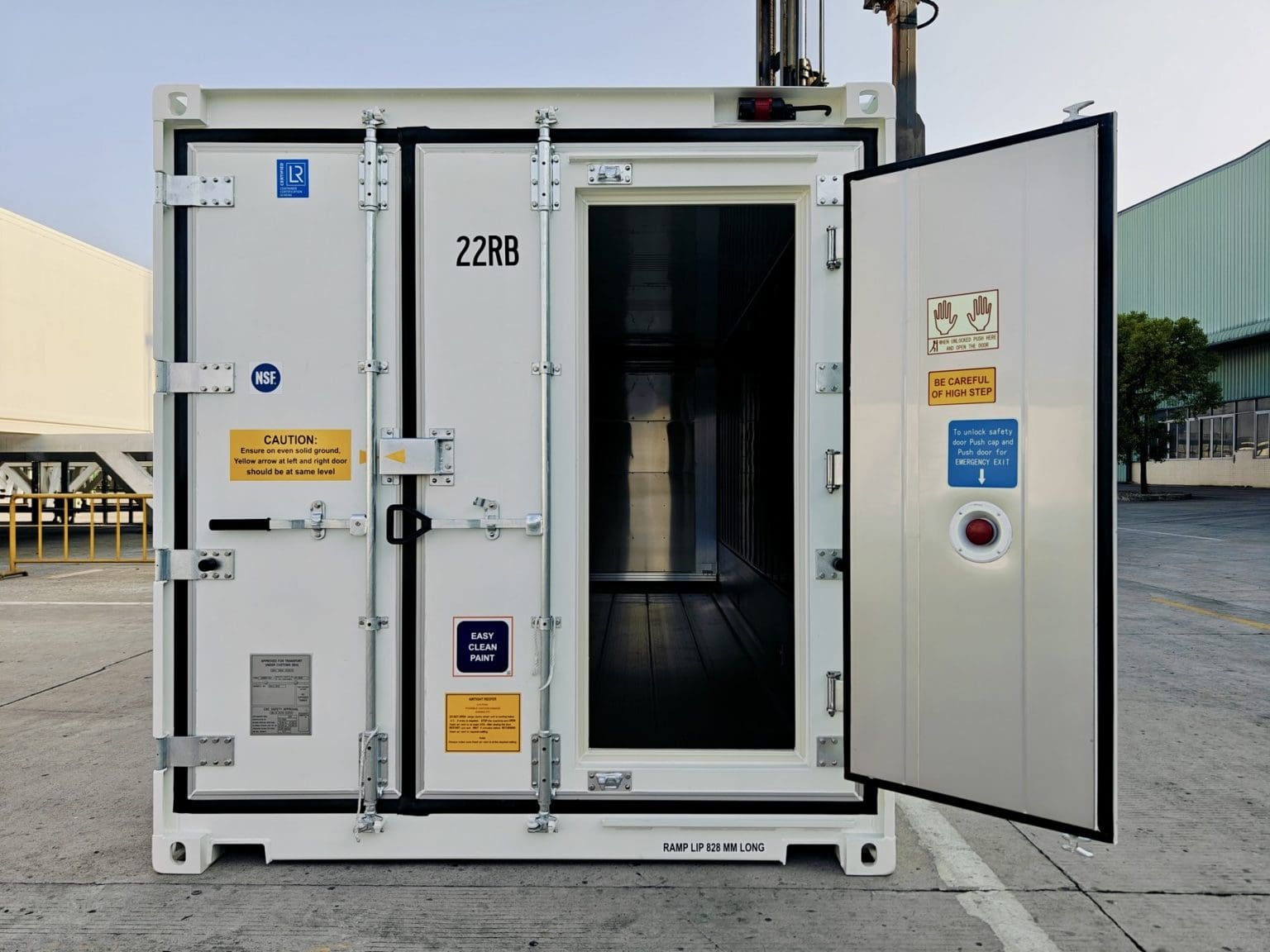
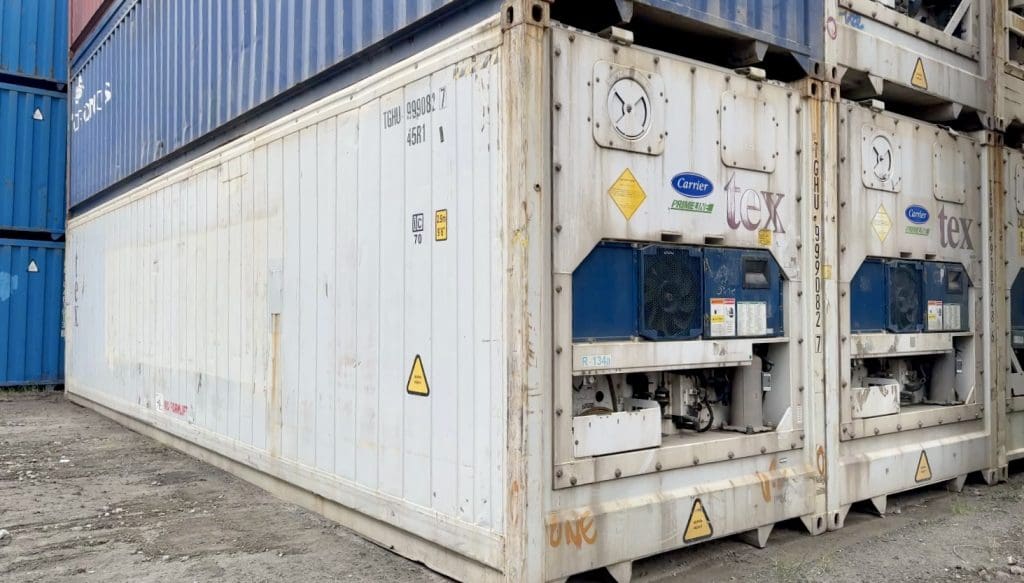
Most insulated containers sold in New Zealand started life as marine reefers. When the refrigeration machinery reaches the end of its economic life, the box is sold as non-operating. Some sellers leave the dead unit in place; others remove it and close the opening with an insulated panel. Ask which you are getting, because a removed unit leaves a front wall that relies on a well-sealed panel to stay weathertight.
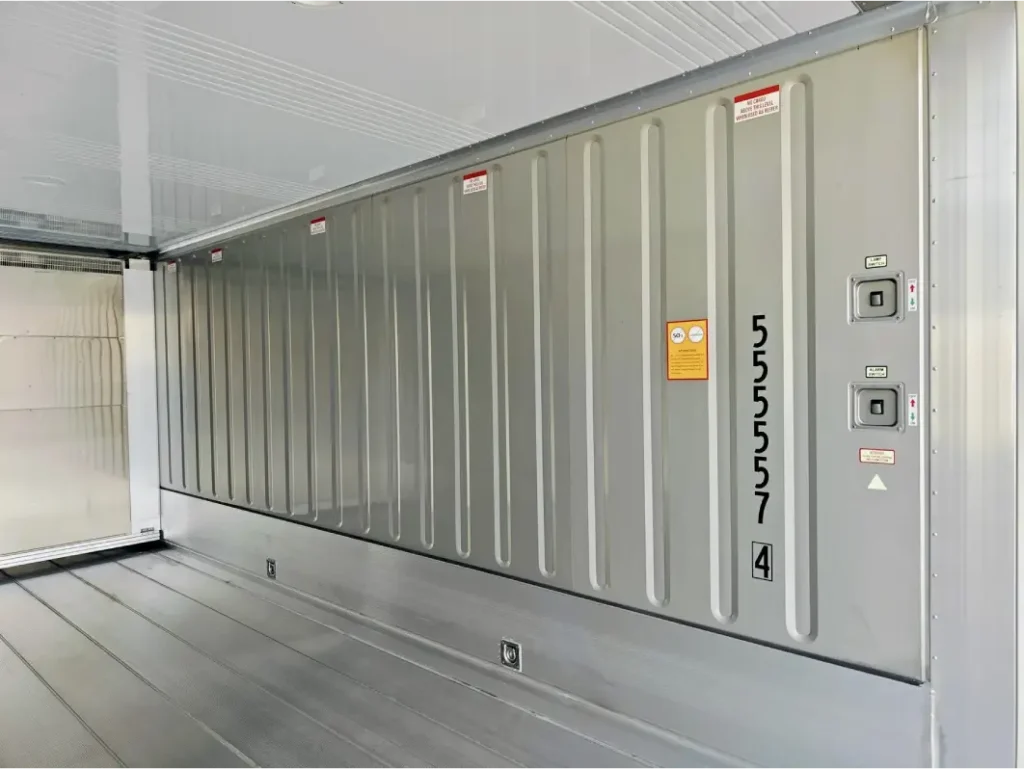
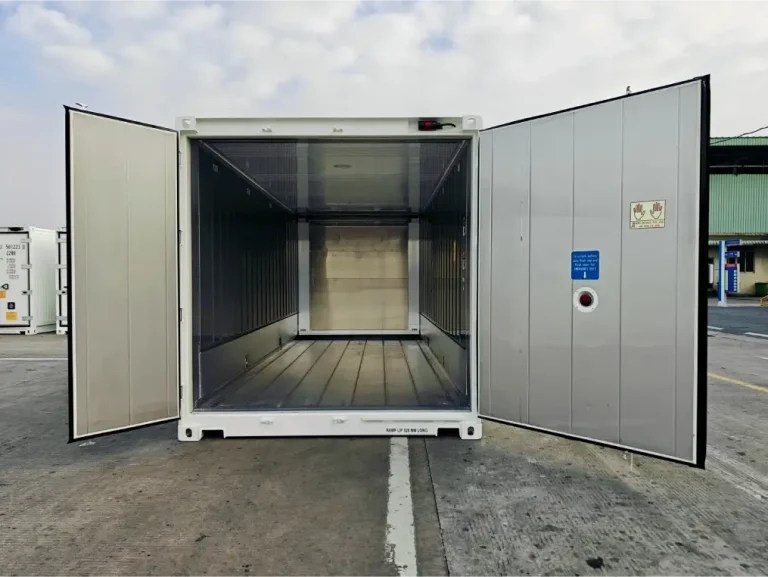
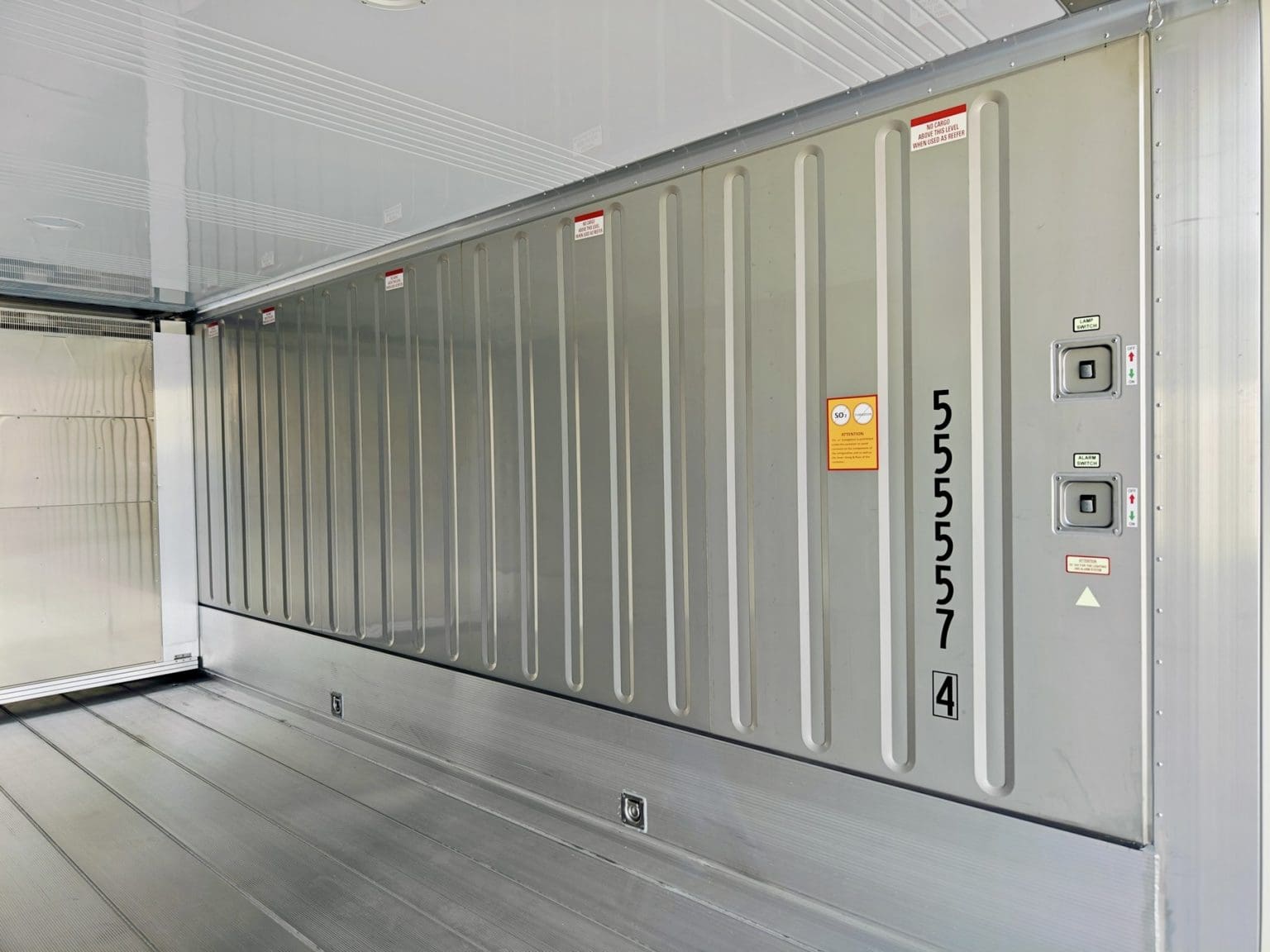
The shell keeps the reefer features: polyurethane foam insulation in the walls, roof, floor and doors, a stainless steel or aluminium inner lining that is easy to wash, an aluminium T-section floor and heavier door seals than a dry container.
No cooling
Insulated does not mean refrigerated
An insulated box does not cool anything. It slows the rate at which the inside follows the outside temperature, so it evens out daily swings and stops direct sun heating the contents quickly. Over a hot afternoon the inside will still warm up, and on a frosty night it will cool. If you need a set temperature, you need a working refrigerated container or a cooling unit added to the shell.
Some owners fit a split-system heat pump or a small refrigeration unit to make a basic cool room. Use a refrigeration technician for the cooling side and a licensed electrician for the wiring, who will issue an Electrical Safety Certificate.
Space
Internal size and weight
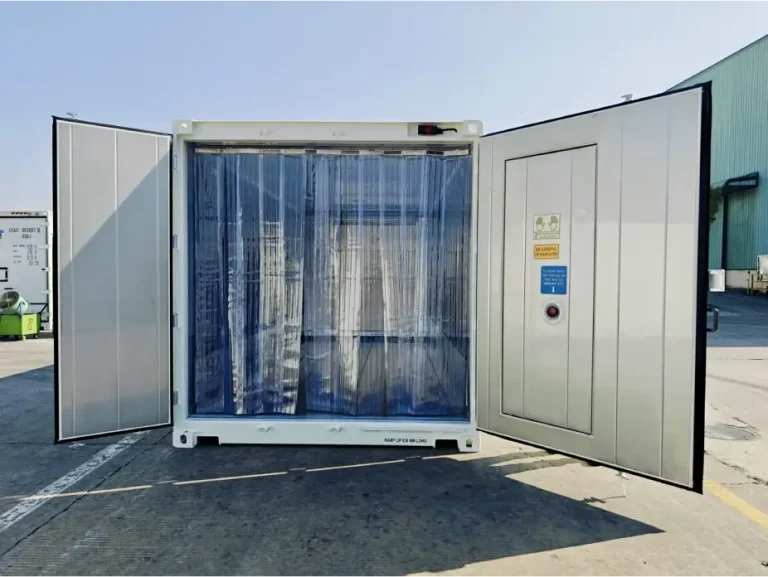
Insulation takes space. Expect an internal width of about 2.29 m instead of about 2.35 m in a dry container, and less internal height. A 20ft insulated box typically has about 5.4 m of usable length once the front panel or machinery is allowed for, and a 40ft high cube about 11.6 m. Measure or ask for the actual figures before you plan racking, and compare them with standard sizes on our container dimensions page.
Insulated boxes weigh more than dry containers of the same length, so mention the type when you arrange delivery.
Good uses for an insulated container
- Goods that are damaged by heat or fast temperature changes, such as wine and beer stock, paints and adhesives, seed and paper records
- Food-grade storage of packaged goods, where the washable lining is easy to keep clean
- Tools, machinery parts and electronics that suffer when condensation drips on them
- Storage on frosty inland sites, where a plain steel box swings between cold nights and warm days
- A starting shell for a cool room, with a cooling unit added later
Condensation in insulated containers
Condensation forms when warm, moist air meets a surface below its dew point. In a plain steel container the roof cools quickly at night, moisture collects underneath and then drips onto the contents. An insulated lining keeps the inner surface closer to the air temperature, so this happens far less often. It does not stop it completely: damp goods, wet boots or doors opened on humid days all bring water in, and a sealed reefer shell has almost no natural ventilation.
Load only dry goods, keep the doors shut in wet weather and use moisture absorbers, or a dehumidifier where the box has power. Our guide to shipping container condensation covers causes and fixes in New Zealand’s humid climate. For measured data, see our field study on container heat and humidity, which compared steel and insulated 20ft containers over eight days.
| Type | Price incl. GST | Price excl. GST | Notes |
|---|---|---|---|
| 20ft non-operating reefer | $3,680 to $5,001 | $3,200 to $4,349 | Two listings, Auckland and Wellington |
| 40ft non-operating reefer | $4,255 to $4,999 | $3,700 to $4,347 | Three listings, Auckland |
| 20ft insulated, C grade | $4,554 | $3,960 | Supplier clearance list, August 2026 |
| 20ft insulated | $6,700 | Not stated | Trade Me listing, Otago, condition not stated |
| 40ft insulated | $5,000 | Not stated | Trade Me listing, Waikato, operating and non-operating units offered |
Before you buy
Checks, modifications and alternatives
Inspection
What to check on a non-operating reefer
- Door gaskets: split or flattened seals let in moist air and undo the benefit of the insulation.
- Inner lining: look for punctures, patches or soft, bulging panels. Water inside the foam adds weight and ruins the insulation.
- Floor: check the T-bars for dents and cracks. One 40ft unit in the October 2026 data was listed with floor damage.
- Front end: confirm whether the machinery is fitted, and if it has been removed, how the opening is sealed.
- Outer skin and roof: check for rust at the roof edges and corner castings, as on any used container.
- Odour: a strong smell from past cargo can take a long time to clear.
Current prices are in the NZ shipping container price index.
Fit-outs
Turning an insulated box into an office or sleepout
Insulated boxes are a popular base for offices, studios and sleepouts because the walls are already lined. Cutting openings is harder than in a dry container: every window or door goes through the steel skin, the foam and the lining, and the edges must be sealed so moisture cannot reach the insulation. Get a modification quote before you buy the box; our container modifications page explains how those quotes work.
An existing reefer lining does not automatically meet Building Code energy efficiency requirements, and using a container as an office or sleepout generally needs building consent. Our container sleepout guide covers the rules, including the H1 energy efficiency changes published by MBIE.
Alternative
Insulating a dry container instead
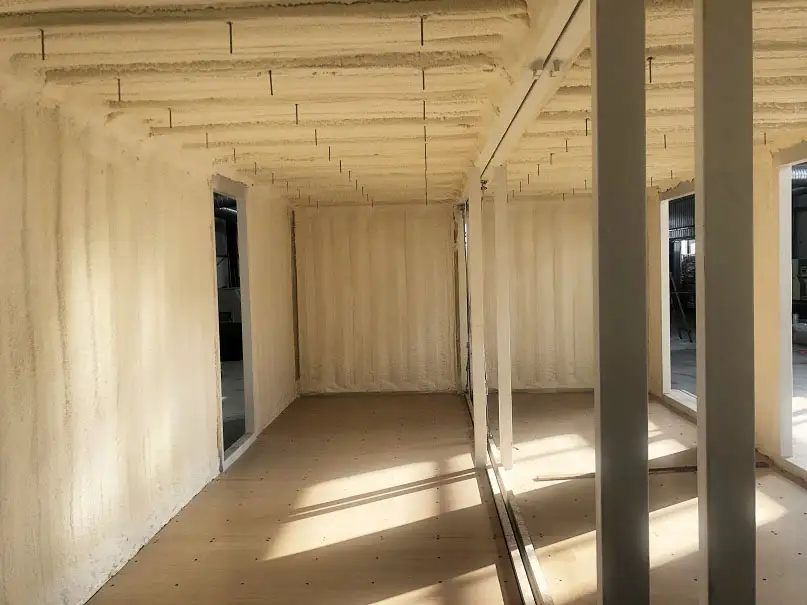
The alternative is a standard dry container insulated after purchase with panels, spray foam or batts and a lining. That gives full internal width and lets you place doors and windows anywhere, but it costs more: one NZ conversion guide puts insulation alone at $2,000 to $5,000, with the GST basis not stated. For plain cool or stable storage an insulated reefer shell is usually the cheaper route. For a habitable build, compare both, using our container insulation guide.
Request insulated container quotes
Tell us the size, whether the machinery can stay in place, what you plan to store and where it is going. Suppliers who service your area quote you directly.
Get a free quote
FAQ
Insulated container questions
A non-operating reefer is a refrigerated container whose refrigeration unit no longer works, or has been removed. Shipping lines retire these boxes when repairing the machinery is no longer worth it. The insulated walls, lining, floor and door seals remain, so the container still slows temperature changes. It cannot cool, so it suits stable dry storage rather than chilled or frozen goods.
In the Shipping-Containers.co.nz NZ price index, October 2026, non-operating 20ft reefers were listed at $3,680 to $5,001 incl. GST and 40ft units at $4,255 to $4,999 incl. GST. Other insulated listings ranged up to $6,700. Delivery is extra. Prices depend on condition, size and whether the machinery is still fitted, so request quotes through our quote form.
It reduces condensation a lot, because the inner lining stays closer to the air temperature than bare steel does. It does not stop it entirely. Moist goods, wet weather entry and almost no ventilation can still lead to damp air inside. Load dry goods only, keep doors shut in rain and use moisture absorbers or a dehumidifier.
Yes, many owners add a split-system heat pump or a small refrigeration unit to an insulated shell to create a basic cool room. The result will not match a working marine reefer for freezing, but it can hold chilled temperatures for produce or drinks. Use a refrigeration technician for the cooling system and a licensed electrician for the supply and wiring.
Using any container as a sleepout or dwelling generally needs building consent, and the reefer lining alone does not prove compliance with the Building Code. Openings for windows and doors, ventilation, fire safety and energy efficiency all need to be designed and documented. Talk to your council early and read our guide to building consent for containers.