



How Long Do Shipping Containers Last in NZ?

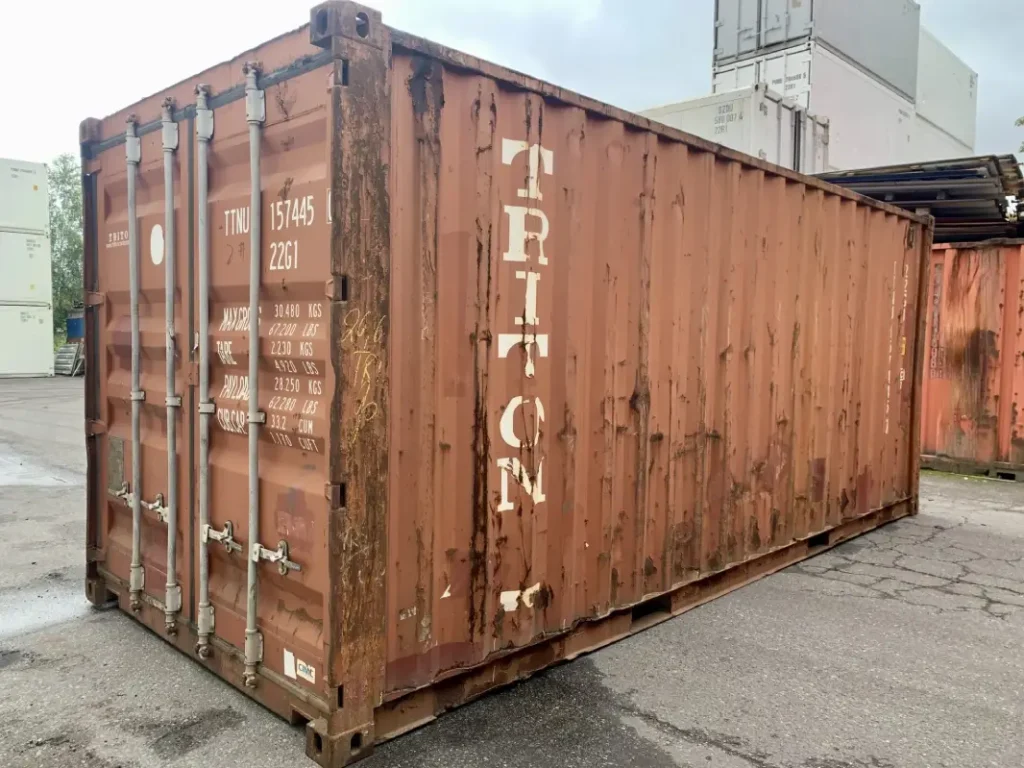
A shipping container usually spends 10 to 15 years at sea before shipping lines or leasing companies retire it. On land, in one place, it can last much longer. There is no fixed lifespan, because the result depends on salt exposure, ground conditions, ventilation and how well the paint is maintained. New Zealand’s own market shows how long containers can stay in use: one NZ supplier’s 2026 clearance list included a 20ft built in 1970, a 40ft from 2003 and refrigerated containers from 1998 and 2001, all still being sold.
Sea life and land life
At sea a container is lifted by cranes, stacked under heavy loads, locked to other boxes with twistlocks and soaked in salt spray for weeks at a time. Each handling adds dents and scratches, and each survey asks whether repairs are still worth paying for. When they are not, the container is sold into the second-hand market.
On a farm, a building site or a section, the loads are far lower and nothing lifts it every week. What wears a static container out is water: rain sitting on the roof, damp ground under the base, condensation inside and salt in the air near the coast. Control those and the steel shell can serve for decades.
What shortens a container’s life
The table shows the main causes of wear on a static container in New Zealand conditions and what you can do about each one.
| Cause | Effect | What to do |
|---|---|---|
| Coastal salt (BRANZ zone D, within 500 m of the coast) | Paint breaks down faster; coatings rated 10 to 15 years in medium environments may last 2 to 5 years in marine conditions | Wash sheltered areas, touch up scratches quickly, recoat with a marine-grade system |
| Geothermal air (Rotorua and other geothermal ground) | Very high corrosion rates for steel and zinc | Inspect the coating more often than on the coast |
| Water ponding on the roof | Rust starts from the top in dents and seams | Keep the roof clear, set a slight fall, fix deep dents |
| Damp ground under the base | Bottom rails and floor bearers stay wet | Sleepers, pads or piers under the corners; good drainage |
| Condensation inside | Rust on the roof underside, floor damage, mould | Vents, moisture absorbers, insulation for occupied use |
| Door use and neglect | Gaskets wear, hinges and locking bars seize | Grease moving parts, replace damaged gaskets |
| Cut openings | Weakens the shell; cut edges rust | Engineered framing around openings; seal and paint edges |
Where in New Zealand containers age fastest
The BRANZ exposure zones are the best guide. Zone D covers all areas within 500 m of the coast including harbours, 100 m from tidal estuaries and sheltered inlets, and all offshore islands. Much of the Auckland isthmus and Dunedin falls inside it, as do Mount Maunganui, Pāpāmoa and the port area of Nelson. Zone E covers breaking-surf beachfronts, such as parts of the Taranaki coast. BRANZ also records wind-carried salt more than 20 km inland, so a site outside zone D is not salt-free.
The NZ Metal Roof and Wall Cladding Code of Practice treats the south coast of the North Island as a particularly harsh marine environment, and treats much of Rotorua as a geothermal microclimate. BRANZ field trials in Rotorua measured first-year corrosion of mild steel at about five times the rate recorded at a severe marine site. Our guide to rust and coastal corrosion covers these zones in detail, and our Rotorua page covers local supply.
Inland sites such as Hamilton, the Waikato basin and the Canterbury plains have lower salt exposure. There the main enemies are damp ground and condensation, particularly where frosty nights follow mild days. Our condensation guide explains why containers sweat and how to stop it.
How much life is left in a used container
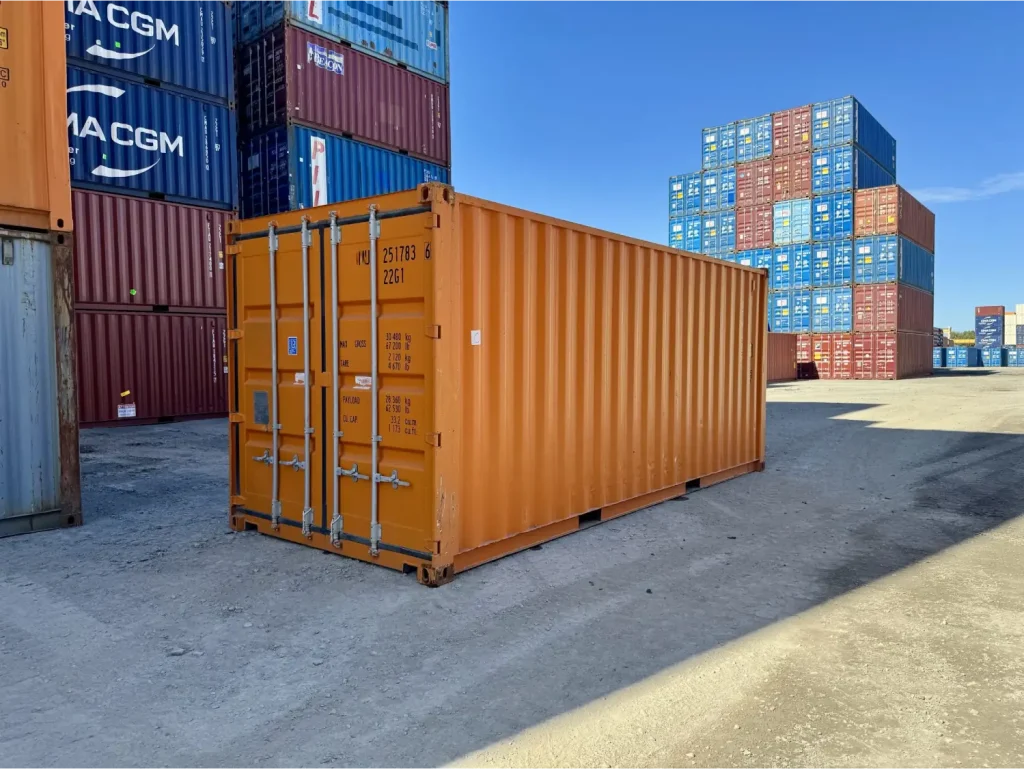
A new one-trip container starts with its full factory paint system and a single voyage of wear. A used container has spent years in salt spray and handling, so part of its coating life is already gone. That does not make it a short-term buy. A sound wind and watertight unit, touched up on arrival and set on good supports, will give many years of storage. It will need attention sooner than a new box. Our new vs used comparison and our guide to grades help you judge the remaining life of a particular unit.
When you look at a used container, the build year on the CSC plate tells you its age, but condition matters more. A 15-year-old box that has been well maintained can outlast a younger one that sat in a puddle on a beachfront section. Check the roof, bottom rails and door gaskets with our buying checklist.
Lifespan for container homes and sleepouts
A container that becomes a habitable building has to meet Building Code clause B2 Durability. BRANZ summarises the periods as 50 years for the structure, 15 years for moderately accessible elements and 5 years for easily replaced ones. Your designer has to show that the container shell, its coatings and any fixings will last that long in your exposure zone, which is another reason to start a conversion with a new container. See our guide to container homes in NZ.
Maintenance that adds years
Most of the work is cheap and quick. The schedule below suits a storage container; shorten the intervals within 500 m of the coast or in geothermal areas. Setting the container on proper supports from day one matters most, as our guide to container foundations explains.
| Task | How often | Why |
|---|---|---|
| Wash the exterior, especially sheltered areas | Every 3 months in the most severe coastal sites; 6-monthly or yearly elsewhere | Sheltered, unwashed surfaces collect about 3 to 8 times more salt |
| Touch up scratches and bare steel | As soon as you see them; check twice a year | Stops rust spreading under the paint |
| Clear leaves and water from the roof | Quarterly and after storms | Ponding water rusts roof panels from the top |
| Grease door hinges and locking bars | Every 6 months | Keeps the doors closing tightly against the gaskets |
| Inspect door gaskets | Yearly | Split or flattened seals let water in |
| Check supports, level and drainage | Yearly and after heavy rain | A level box keeps doors square; a dry base lasts longer |
| Replace moisture absorbers, check vents | Monthly in winter | Controls condensation inside |
Follow that schedule and the container will need a full repaint far less often. If you are buying, a new container in a colour you choose gives the longest run before the first repaint; a well kept used one gives the lowest cost per year for plain storage. Compare offers for either through our quote form, or see current used container prices.
Find a container that will last on your site
Tell us where the container will sit, how close it is to the coast and what you will use it for. Suppliers who service your area quote directly.
Get a free quoteFAQ
Container lifespan: common questions
At sea, containers are usually retired after 10 to 15 years. On land they can last for decades if the paint is maintained, the roof does not hold water and the base sits on dry supports. NZ suppliers were still selling containers built in 1970 and 2003 in 2026. Coastal salt and geothermal air shorten the life of the paint and steel.
A sound wind and watertight container can give many years of storage on a farm or section, but it has used part of its coating life at sea. Touch up bare steel when it arrives, set it on sleepers or pads and keep the roof clear. Expect to repaint sooner than with a new container, especially near the coast.
Yes. BRANZ classes all areas within 500 m of the coast, including harbours, as exposure zone D, and coatings that last 10 to 15 years in medium environments may last only 2 to 5 years in marine conditions. Washing sheltered areas regularly and touching up scratches early slows the damage considerably.
Set it level on sleepers, pads or piers so the base stays dry, keep the roof free of ponding water, wash off salt, touch up scratches quickly and grease the door hinges and locking bars. Inside, use vents and moisture absorbers to control condensation. These jobs cost little and add years to the container’s useful life.
A consented container home must meet Building Code clause B2 Durability, which BRANZ summarises as 50 years for structure, 15 years for moderately accessible elements and 5 years for easily replaced ones. Whether a container achieves that depends on the design, coatings, fixings and exposure zone, so your designer and council will assess it as part of building consent.
Andreas Atrott | Shipping container specialist and founder
Andy has worked with shipping containers since 2013. He runs shipping-containers.com.au from Brisbane and Shipping-Containers.co.nz for New Zealand buyers, and spends much of his time inspecting containers, checking grades and sorting out deliveries. His YouTube channel Andy Knows Containers covers buying, inspecting, delivering and converting containers.
Blog
More container guides

Do You Need Consent for a Shipping Container in NZ?
New vs Used Shipping Containers: NZ Buying Guide
HIAB vs Swinglift: Container Delivery Options in NZ
Need a container for your project?
Tell us the size, condition and delivery address. Your request goes to suppliers who service your area.
Get a free quote