



Shipping Container Condensation: How to Keep It Dry

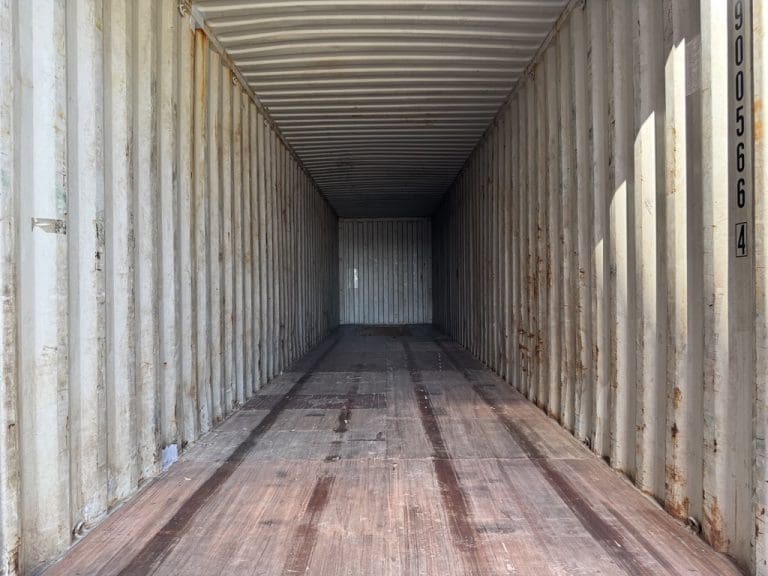
Open a container on a cold morning and you may find water dripping from the roof, damp cardboard and a musty smell. The container is rarely leaking. The water is condensation, sometimes called container rain, and New Zealand’s climate produces a lot of it. This guide explains why it happens, which parts of the country are hardest on containers, and the practical steps that keep stored goods dry.
Why containers sweat
A container’s steel roof loses heat quickly to a clear night sky. Within a few hours it drops below the dew point of the air inside, and the moisture in that air condenses on the underside of the roof. As droplets grow, they fall onto whatever is stored below. During the day the sun heats the steel, the water evaporates back into the air, and the cycle repeats the next night. Every time the doors open on a humid day, fresh moist air comes in. Wet goods, damp timber and a soft, wet site add more water.
The steel itself does not create the moisture, but it makes the swing between warm days and cold nights sharper than in a timber shed. The more moisture inside the box and the colder the nights, the worse it gets.
New Zealand conditions
New Zealand has a maritime climate with humid air almost everywhere. NIWA’s regional climatologies show average morning humidity above 80% in many container-heavy areas, and frequent ground frosts in the south and inland.
| Area | Average relative humidity | Other conditions that matter |
|---|---|---|
| Whangārei (Airport) | About 83% at 9 am, 89% in June | About 1,300 mm rain a year; frost rare |
| Auckland | About 79% (Leigh) to 88% (Ardmore) at 9 am | Much of the isthmus within 500 m of the coast |
| Hamilton (Ruakura) | 84% at 9 am | About 38 fog days and 63 ground frosts a year |
| Tauranga | 78% at 9 am | About 1,189 mm rain a year |
| Rotorua | 82% at 9 am | About 57 ground frosts a year; geothermal air |
| Invercargill | 85% at 9 am | About 104 ground frosts and 213 rain days a year |
| Queenstown | 55% at 3 pm (dry afternoons) | About 133 ground frosts a year |
Northland, Auckland, the Waikato and the Bay of Plenty combine high humidity with mild nights, so containers there stay damp for long periods. Southland, Otago, Canterbury and the Central Plateau have colder, clearer nights, so the roof drops well below the dew point and drips heavily, especially in autumn and winter. Coastal sites add salt: BRANZ places all areas within 500 m of the coast in exposure zone D, and salt on damp steel speeds corrosion. Our coastal corrosion guide covers that side.
Storage containers
Six ways to keep a storage container dry
Add ventilation
Factory vents are small. Extra vents near the top at both ends let moist air escape and drier air in. Heavy-duty steel container vents are sold in NZ; one Trade Me listing was $390 incl. GST in October 2026. Fit them so rain cannot drive in. See container accessories.
Use moisture absorbers
Desiccant tubs, hanging bags or poles absorb moisture from the air. They work best in a closed container with few door openings. Check and replace them regularly, more often in winter and in humid northern areas. Spread several along the length rather than one large tub by the doors.
Load only dry goods
Wet timber, damp furniture, freshly washed outdoor gear and wet cardboard release litres of water into a closed box. Dry items before loading, and avoid loading on wet or foggy days if you can. Wipe down a container that arrives damp from the depot before anything goes in.
Keep goods off the floor and walls
Stand goods on pallets or timber dunnage, which also protects them from any water on the floor, and leave a gap at the walls so air can move and drips do not soak boxes. Cover stored items with breathable sheets, not plastic that traps moisture against furniture and boxes.
Shade the roof
A roof over the container or a container shelter between two units reduces night cooling and stops water ponding on the roof panels. Light colours also run cooler in summer, which cuts the daily swing between hot steel by day and cold steel at night.
Line the roof
An anti-condensation coating or roof liner holds droplets so they evaporate during the day rather than fall onto your goods. It suits workshops and general storage. For valuable contents, full insulation of the roof and walls is the more reliable fix.
Placement makes a difference
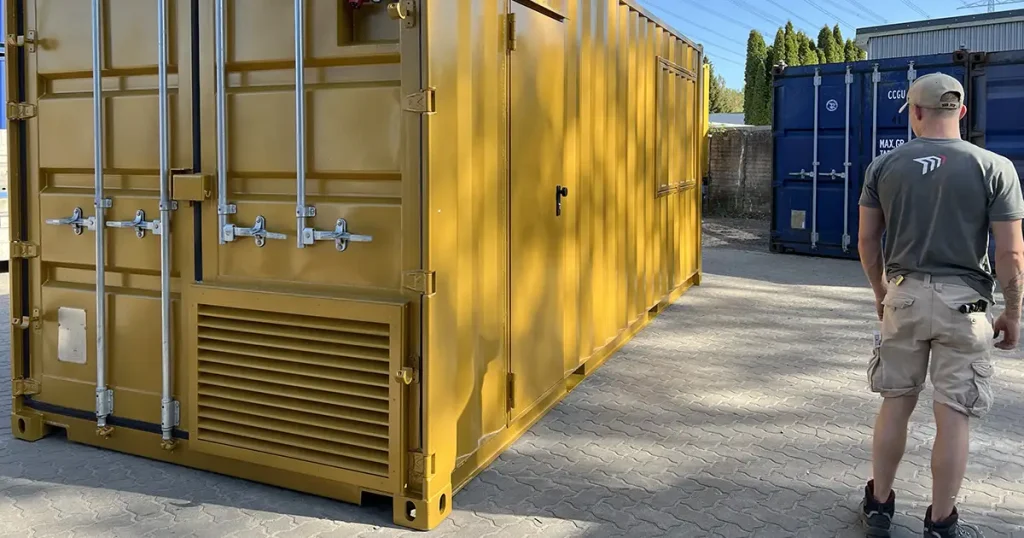
A container sitting on wet ground draws moisture up through the floor, and one that sits out of level can pond water on the roof. Set it on sleepers, pads or compacted gravel with good drainage, level along the length, with a slight fall so the roof sheds water. Keep grass and vegetation clear of the floor bearers. Our guide to container foundations covers bases that keep the floor dry.
Loading practice for long-term storage
- Check the door seals and roof before loading. Daylight through a seal or a pinhole means a leak, which is a different problem.
- Sweep and dry the floor, then put down pallets.
- Load dry goods on a dry day, heaviest items low and at the front wall.
- Leave a gap at the walls and a walkway if you need access.
- Place moisture absorbers along the length and note the date.
- Open the doors on dry, breezy days now and then, and keep them shut on humid ones.
For household goods, our home storage guide covers sizing and access.
When to insulate
Ventilation and absorbers manage condensation; insulation largely removes the cause by keeping the inside surface warm. For furniture, documents, electronics, sleepouts and offices, insulate, or start with a factory insulated container. In habitable containers, insulation must be continuous with a vapour control strategy, and kitchens and bathrooms need mechanical extraction to meet clause G4. Our container insulation guide compares the methods.
For measured data, our field study on container heat and humidity logged five containers side by side, and the Australian site has more on stopping condensation.
If you are buying for storage in a damp area, mention it when you request a container quote, so suppliers can offer extra vents or an insulated unit.
Want a drier container from the start?
Tell us the size, the use and the delivery address, and ask for extra vents or insulation. Suppliers who service your area quote directly.
Get a free quoteFAQ
Container condensation questions
A container sweats when warm, moist air inside meets steel that has cooled overnight, and the water condenses on the roof and walls. Shipping container mould prevention starts with ventilation, dry goods, pallets under everything and moisture absorbers, and in damp spots an insulated lining. The steps above work in most NZ climates.
Usually condensation, not a leak. The steel roof cools below the dew point overnight and moisture in the air condenses on it, then drips. Wet goods, a damp site and opening the doors on humid days add moisture. To tell the difference, check the roof and door seals in daylight from inside: light coming through points to a leak, while even droplets across the roof point to condensation.
Yes, as part of a plan. Desiccant absorbers pull moisture from the air in a closed container and reduce dripping, but they fill up, so check and replace them regularly. They work best with dry goods, pallets off the floor and some ventilation. On their own they cannot keep up with wet loads or a container that is opened often in humid weather.
There is no fixed number. Most containers have small factory vents, and owners in humid areas often add one or two larger vents high on each end wall to allow cross-flow. More ventilation helps in mild, humid climates; in cold, frosty areas insulation or a roof liner does more. Make sure any vent you add is rated to keep out driven rain.
Ordinary paint does not. A lighter colour reduces daytime heating, and specialist anti-condensation coatings on the inside of the roof absorb droplets so they evaporate rather than drip. For valuable contents or habitable use, insulation with a vapour control layer is the dependable fix.
In most of New Zealand, yes. Long, clear, cold nights cool the roof below the dew point for many hours, particularly in Southland, Otago, Canterbury and the Waikato, where ground frosts are common. In Northland and Auckland humidity stays high year round, so containers can stay damp in any season without ventilation.
Andreas Atrott | Shipping container specialist and founder
Andy has worked with shipping containers since 2013. He runs shipping-containers.com.au from Brisbane and Shipping-Containers.co.nz for New Zealand buyers, and spends much of his time inspecting containers, checking grades and sorting out deliveries. His YouTube channel Andy Knows Containers covers buying, inspecting, delivering and converting containers.
Blog
More container guides

Do You Need Consent for a Shipping Container in NZ?
New vs Used Shipping Containers: NZ Buying Guide
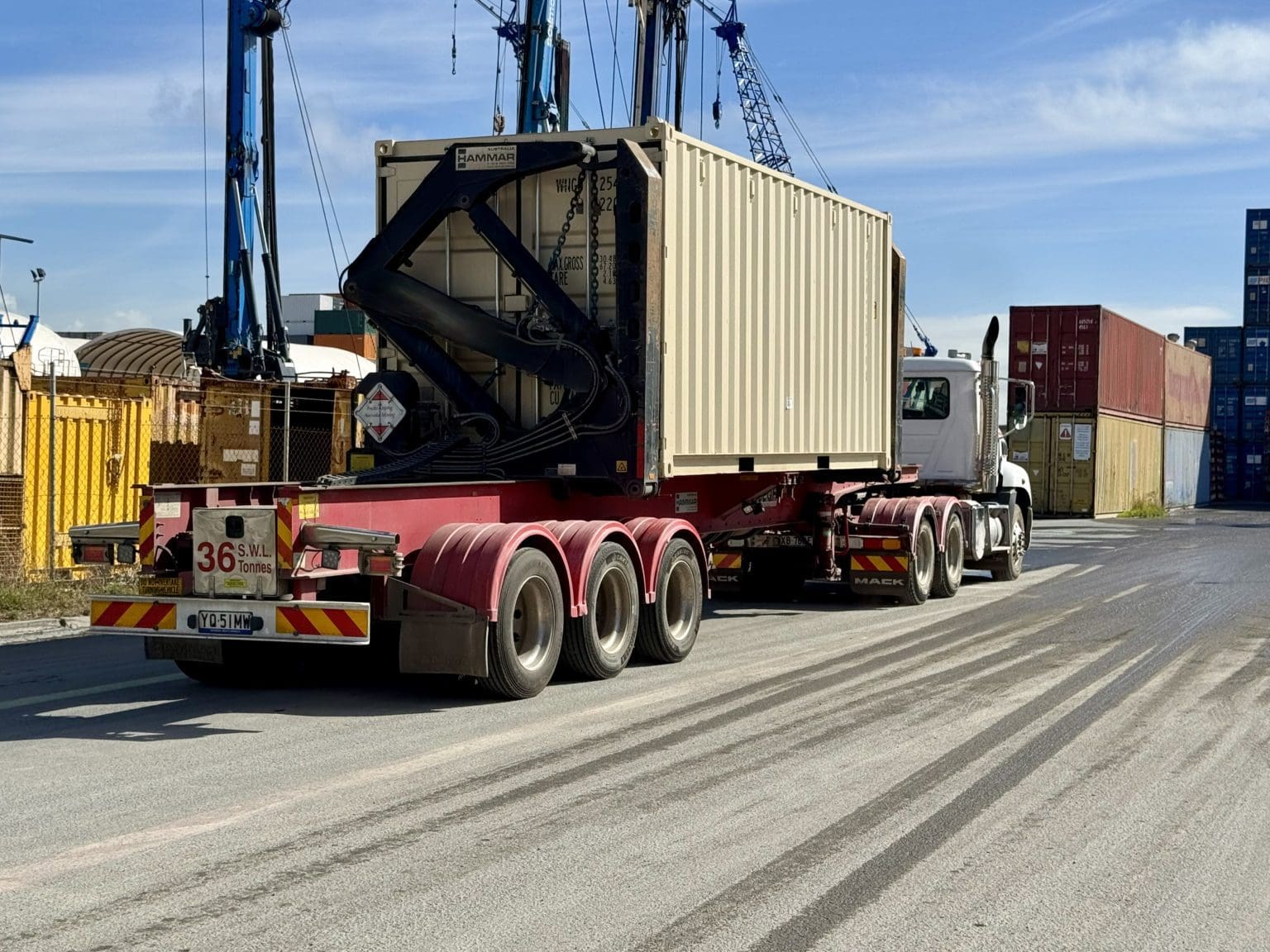
HIAB vs Swinglift: Container Delivery Options in NZ
Need a container for your project?
Tell us the size, condition and delivery address. Your request goes to suppliers who service your area.
Get a free quote