



Shipping Container Accessories
The right accessories make a container harder to break into and easier to keep dry. This page covers lockboxes, padlocks, vents, ramps, shelving, moisture absorbers, dehumidifiers, twistlocks and bridge fittings, with what each one does, when it is worth buying and what published NZ prices look like.
Backed by the team behind Shipping-Containers.com.au


Security and air flow
Locks and ventilation
Security
Lockboxes and padlocks
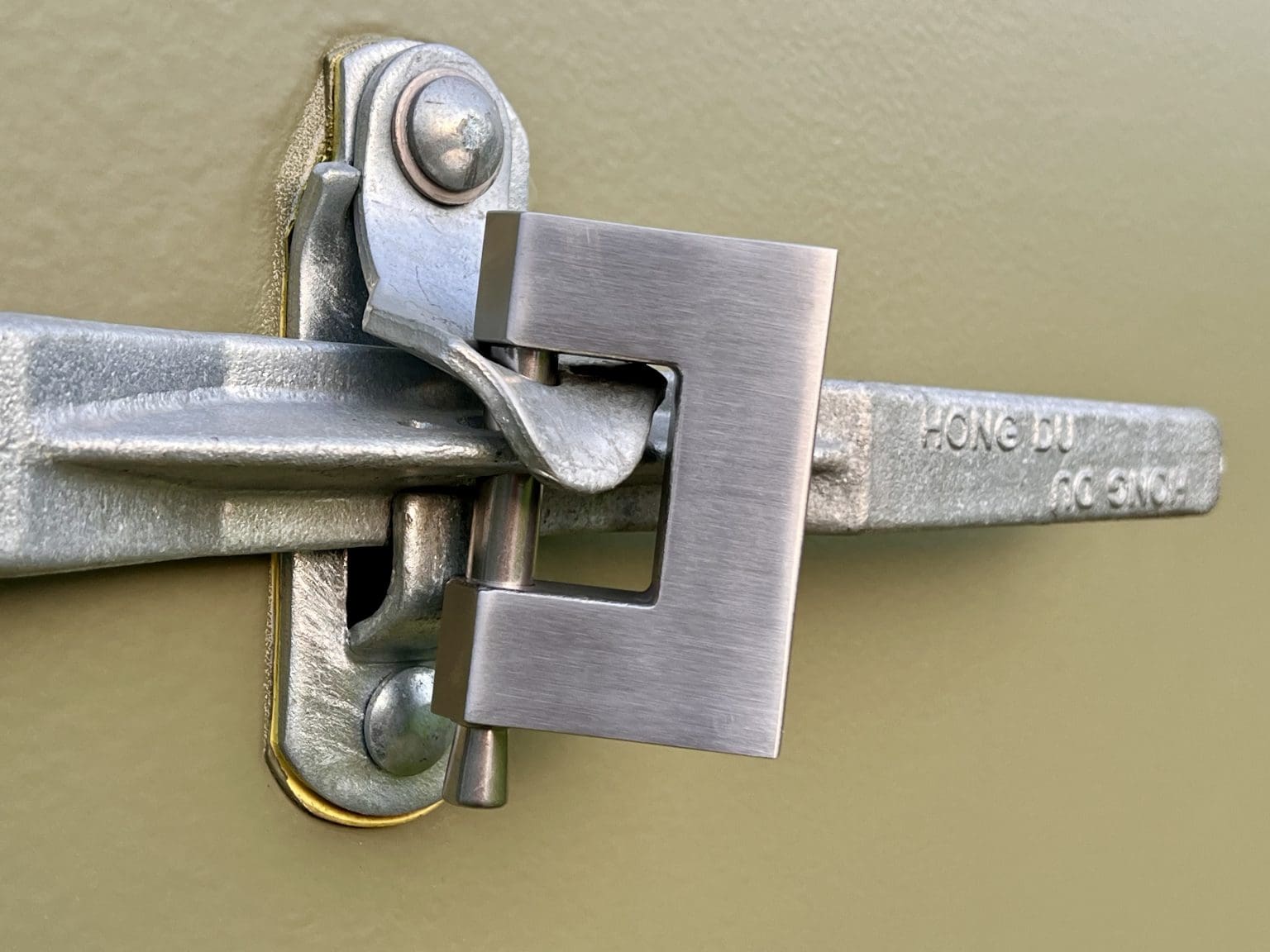
A lockbox is a steel shroud welded to the door over the locking handles. The padlock sits inside it, where bolt cutters cannot easily reach the shackle. It is one of the most effective security upgrades for a container on a farm, a building site or a section that is out of sight. Many new and one-trip containers come with one fitted; on used containers it is often an extra, so confirm it in the quote.
Pair the lockbox with a padlock made for the job. A closed-shackle or disc padlock leaves little of the shackle exposed, and hardened steel resists cutting. Near the coast, a stainless or marine-rated body avoids seizing. On a side-opening or double door container, lock every door set.
Ventilation
Louvred vents
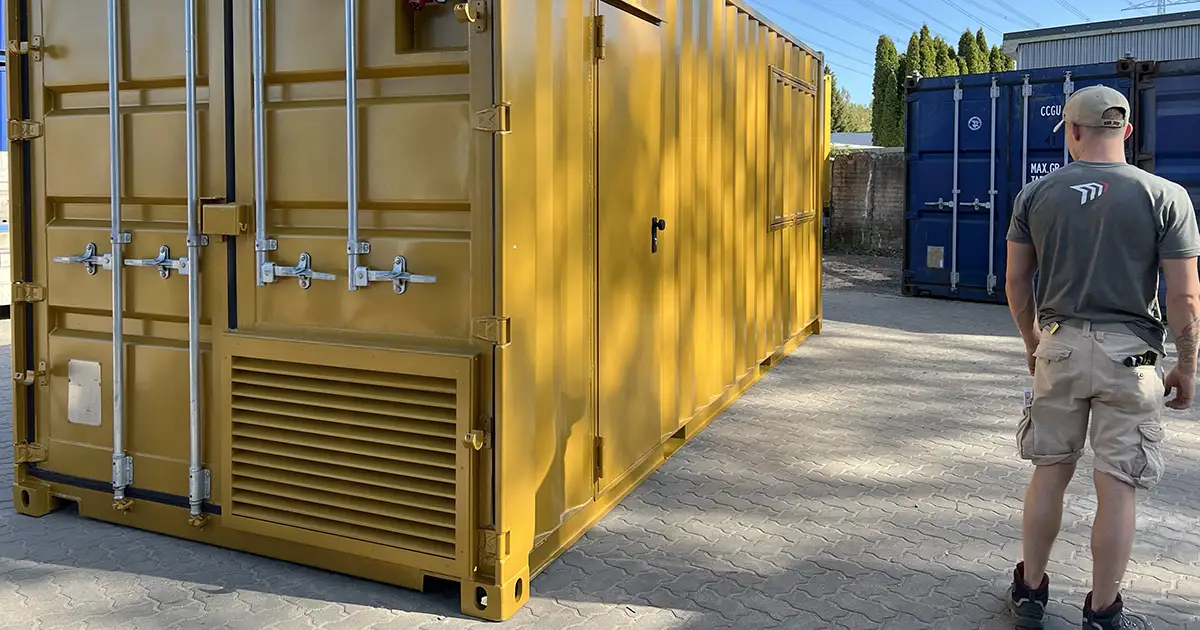
The factory vents on a standard container are small. Extra louvred vents high on the walls let warm, moist air escape and reduce condensation on the underside of the roof. Fit them in pairs on opposite walls so air can move through. A heavy-duty steel vent listed on Trade Me at $390 incl. GST in October 2026, and one Tauranga seller listed a new 20ft with 18 vents at $200 more than its standard version, both incl. GST. Our condensation guide explains why air flow matters in a humid climate.
Ventilation
Whirlybirds and extractor fans
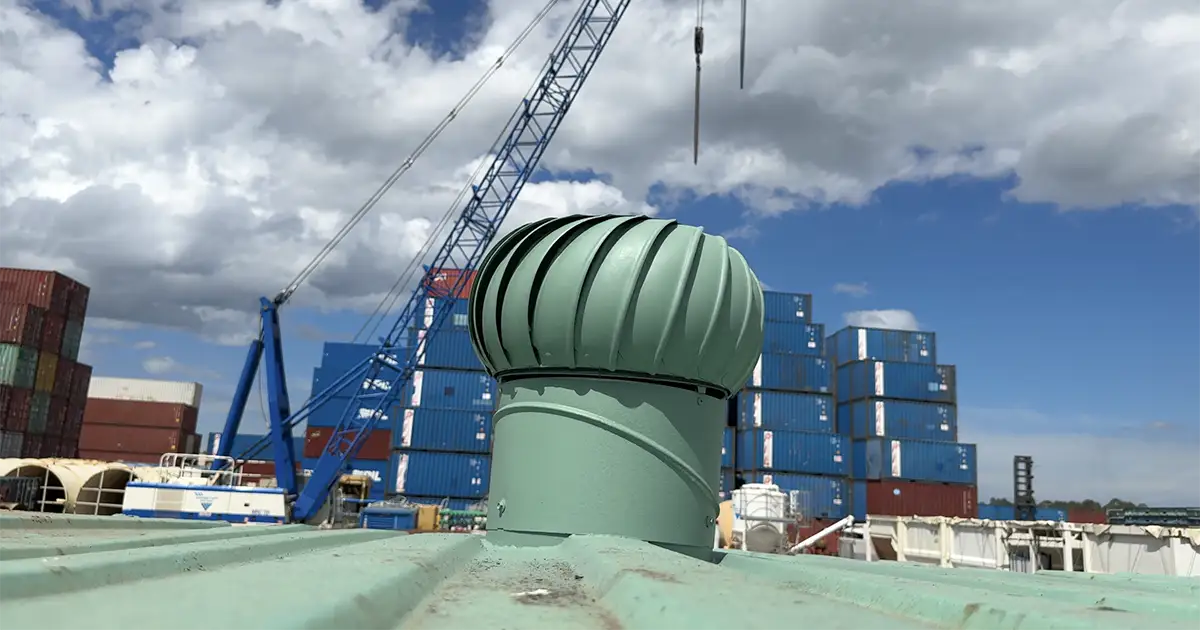
A whirlybird roof ventilator spins in the wind and draws air out through the roof. It needs a cut and a sealed flashing, so it is a small modification rather than a bolt-on item. Where there is power, an extractor fan on a humidistat or timer gives steady air flow regardless of the wind. Both work best with low vents that let fresh air in. For larger changes, see container modifications.
Access and storage
Ramps and shelving
Access
Ramps
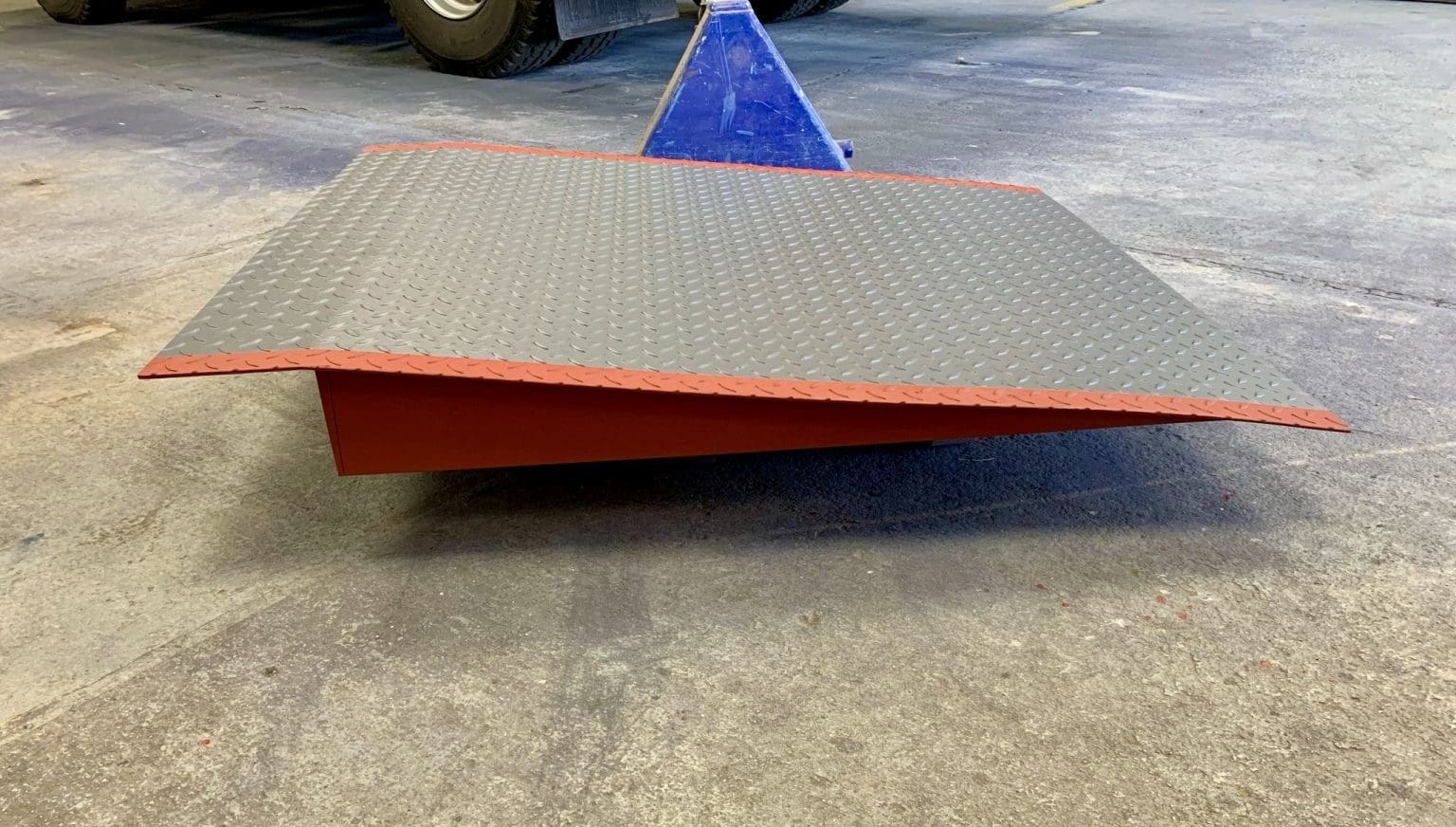
The container floor sits above the ground, more so on sleepers or blocks, and the door sill adds a lip. A ramp lets you wheel in a mower, quad bike, wheelbarrow or pallet jack. Check the rated load against your heaviest item plus the person pushing it, and choose a ramp with a hooked or pinned top edge so it cannot slide off the sill. Aluminium ramps are lighter to move; steel ramps are heavier and harder to steal. A level, firm base, covered in our foundations guide, keeps the sill height even.
Organisation
Shelving and workbenches
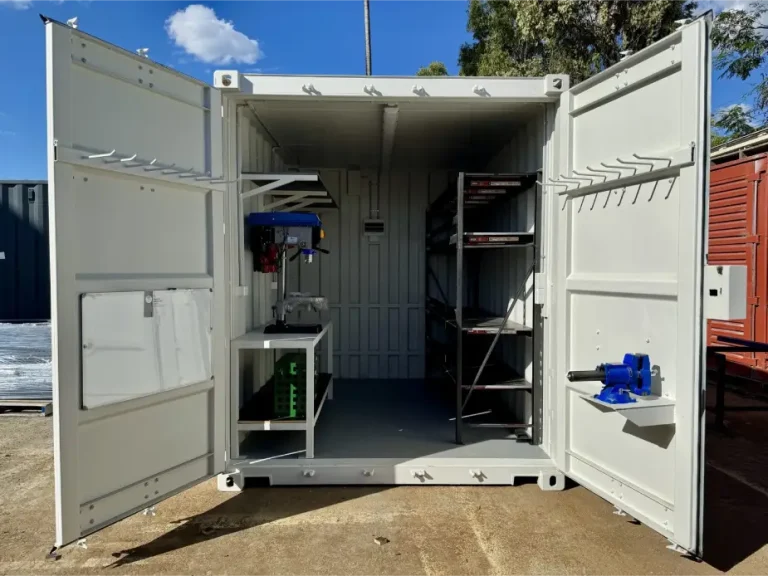
Shelving systems made for containers fit the internal width and fix to the floor or wall structure without drilling through the shell. Published NZ prices in October 2026 included a single-sided 20ft kit at $939.95 incl. GST, a double-sided 20ft kit at $1,879.90 incl. GST and a six-bay 40ft kit rated to 6,000 kg at $1,879.90 incl. GST. A 20ft workbench listed at $749.95 incl. GST. For household layouts, see our private storage containers page.
Moisture absorbers and dehumidifiers
Moisture absorbers are hanging bags or tubs of desiccant, often calcium chloride, that draw water from the air and collect it as liquid. They need no power, cost little and suit containers holding furniture, documents, clothing or tools. Hang several along the walls of a 20ft container and replace them when full. Check them monthly at first to learn how fast they fill at your site, because humid coastal areas fill them faster than dry inland ones.
An electric dehumidifier removes far more water, but needs power and somewhere for the water to go, either a tank you empty or a drain hose through the wall. It suits workshops, offices and containers holding valuable stock. A dehumidifier works best in a container with few gaps, so use vents in unpowered boxes and a dehumidifier in sealed or insulated ones. Neither will keep up with a leaking roof or a worn door seal, so fix those first.
| Accessory | Published price | GST basis | Source |
|---|---|---|---|
| Heavy-duty steel container vent | $390 | Incl. GST | Trade Me listing |
| Extra vents on a new 20ft (18 vents compared with standard) | +$200 | Incl. GST | Same-seller Trade Me listings, Tauranga |
| 20ft shelving, single-sided (5.85 m long, 2 m high, 0.6 m deep) | $939.95 | Incl. GST | Trade Me listing |
| 20ft shelving, double-sided | $1,879.90 | Incl. GST | Trade Me listing |
| 40ft shelving, 6 bays, 11.62 m long, rated 6,000 kg | $1,879.90 | Incl. GST | Trade Me listing |
| 20ft workbench, 5.85 m long, 1 m high | $749.95 | Incl. GST | Trade Me listing |
| Replacement container door set (pair) | $559 | Excl. GST | Supplier clearance list, August 2026 |
Connecting containers
Twistlocks and bridge fittings
Fixing
Twistlocks
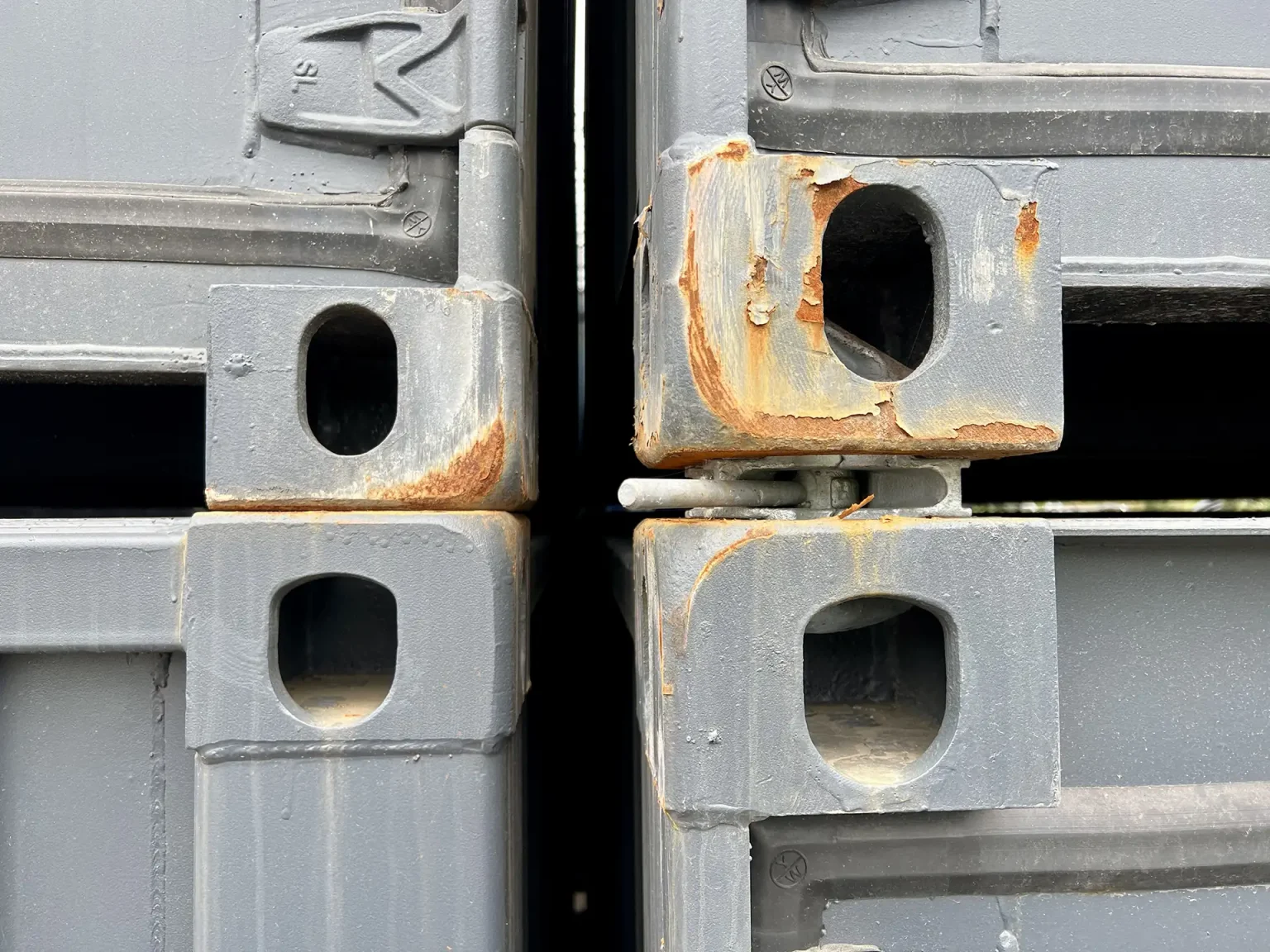
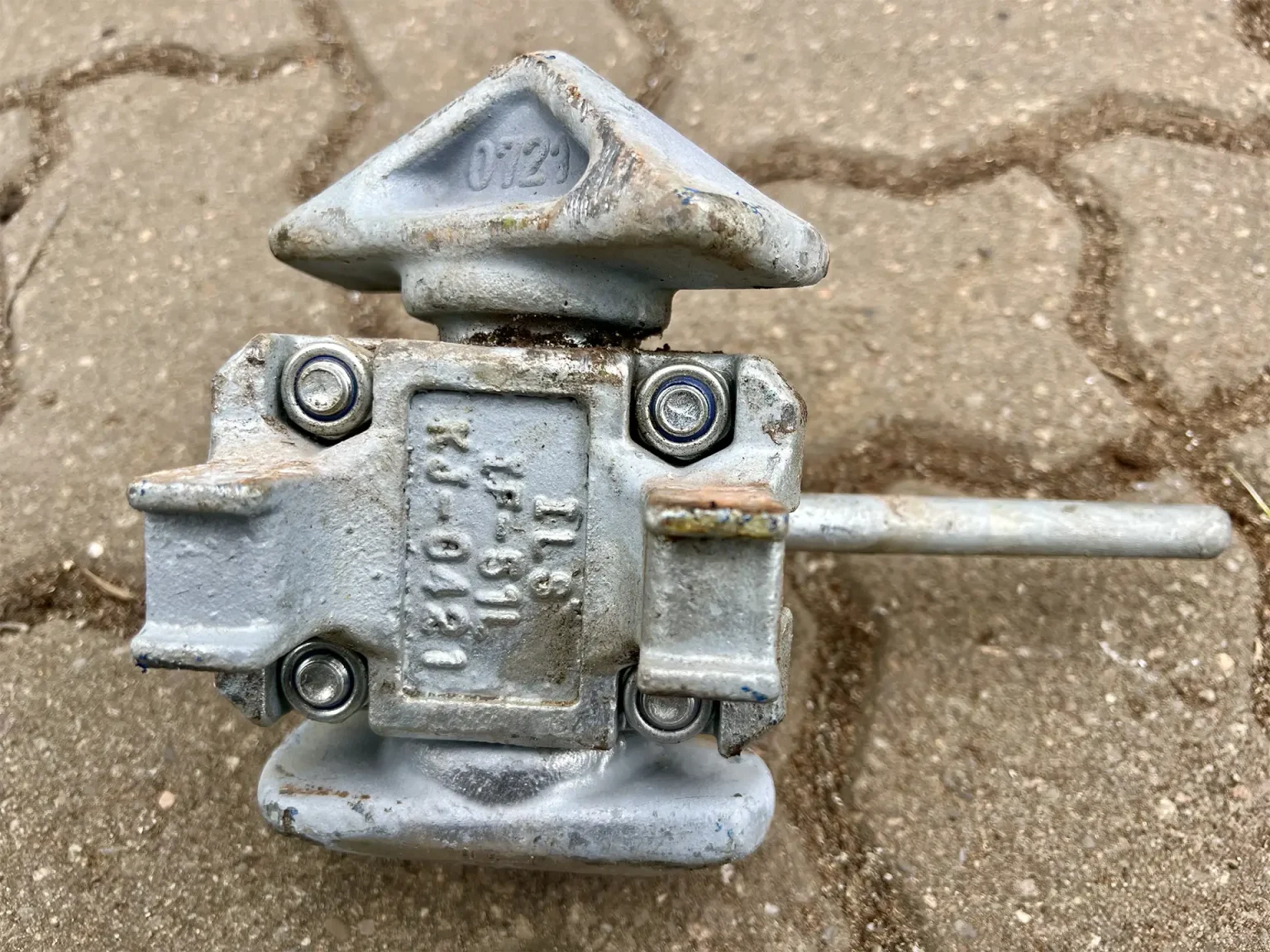
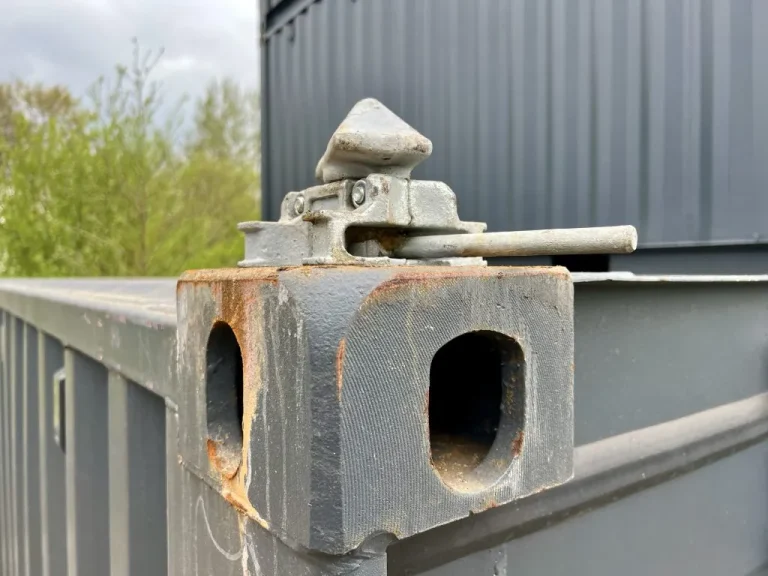
A twistlock fits into a container’s corner casting and turns to lock it to another container, a trailer or a foundation plate. Stacked containers on land should be joined at every corner with stacking twistlocks or similar connectors, and containers on pads can be held down with twistlock base plates set in concrete. For stacking, or for anything people will occupy, the connection is part of the engineering design rather than an add-on. Under a roof kit, base fixings help resist wind uplift; see container shelters.
Linking
Bridge fittings
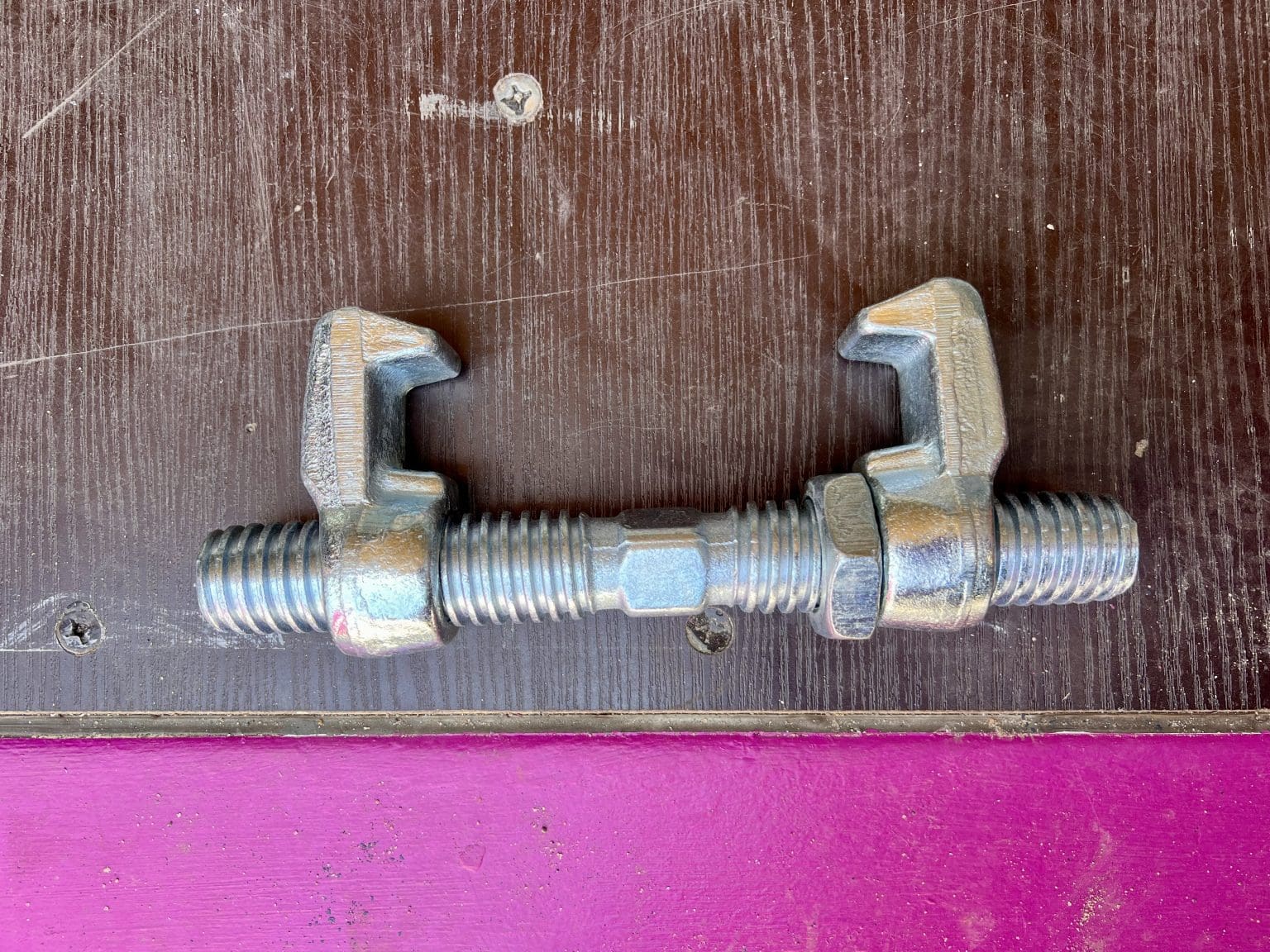
Bridge fittings, also called bridge clamps, link the top corner castings of two containers placed side by side or end to end. They stop adjacent containers drifting apart and help a row of containers act as one block in the wind. They are common in container yards and on site compounds where several containers sit in a line.
Stacking
Stacking connectors
Stacking a second container on top needs connectors at all four corners and a base that can carry the combined load at each corner. District plans can limit stacking, and stacked or raised containers are expected to have engineered hold-downs. Check with your council and an engineer before you stack containers on a section or a farm.
Buying accessories with your container
Ordering accessories with the container is usually simpler: the supplier can fit a lockbox or vents before delivery, and ramps and shelving travel inside. List the accessories you want in your quote request and ask each supplier to price them separately so you can compare. Schools, clubs and councils often need several containers fitted the same way; our page on containers for schools, clubs and councils covers that kind of order. On building sites, see site storage and workshop containers for security set-ups.
Near the coast, choose stainless or galvanised accessories and fixings. BRANZ guidance on corrosion zones places areas within 500 m of the coast in zone D, where NZS 3604 calls for stainless steel structural fixings in buildings, and BRANZ Maps shows the zone for your address. Our guide to coastal rust and corrosion explains maintenance.
Add accessories to your quote
Tell us the container size and condition, the accessories you want and the delivery address. Suppliers who service your area quote you directly, with each item priced so you can compare.
Get a free quote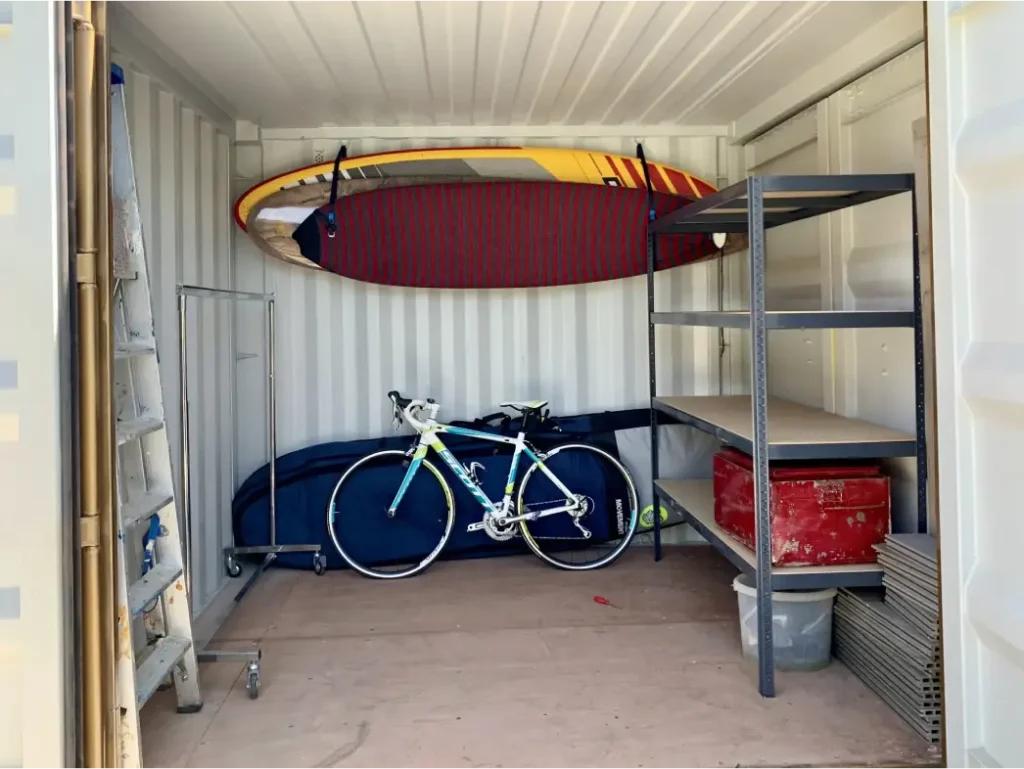
FAQ
Container accessory questions
For any container that sits unattended, yes. Without a lockbox the padlock shackle is exposed and can be cut in seconds with bolt cutters. A lockbox shields the shackle and makes forced entry slower and noisier. Many new containers come with one fitted. On a used container, ask the supplier to weld one on before delivery and fit a closed-shackle or disc padlock.
Start with a level, weathertight container and dry contents. Add vents high on opposite walls for air flow, hang moisture absorbers and keep goods on pallets off the floor. In humid areas or for valuable stock, use a dehumidifier where power is available. Our condensation guide explains the causes and the fixes that work best in NZ conditions.
Use a hardened steel padlock with a closed or shrouded shackle, or a disc padlock, sized to fit inside the container’s lockbox. Cheap padlocks with long exposed shackles are easy to cut. Near the coast choose a stainless or marine-rated body so it does not seize. On containers with several door sets, use keyed-alike padlocks to keep things simple.
A single container used for storage on level ground does not normally need twistlocks. They matter when containers are stacked, fixed to foundation plates or held down against wind, for example under a shelter roof or on an exposed site. In those cases the fixings should be part of an engineered design, and stacking may also be limited by your district plan.
Bolt-on items such as ramps, shelving, moisture absorbers and padlocks can go into a hire container. Anything that cuts or welds the container, such as vents, whirlybirds or a lockbox, needs the hire supplier’s agreement, and many will fit them for a fee. Ask when you request a quote on our container hire page.