



Shipping Container Certification in NZ: CSC Plates, Cargo Worthy and Import Checks

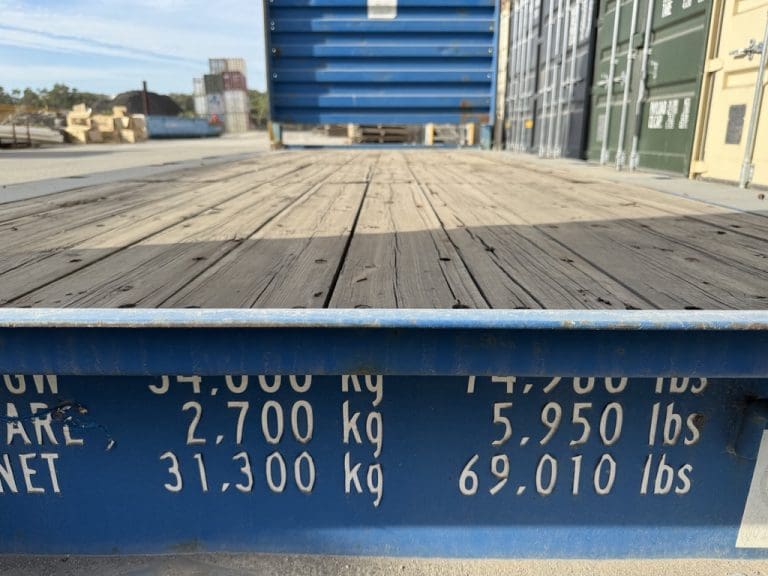
Most containers sold in New Zealand end up as storage on a farm, a building site or a back section. For that use nobody checks the certification. It matters when the container will carry cargo on a ship again, when you buy it to move your own goods overseas, or when a buyer wants proof of its structural condition. This guide explains the CSC plate, what cargo worthy means, how a used container is recertified and what Biosecurity New Zealand checks on containers that arrive from overseas.
What the CSC plate is
The International Convention for Safe Containers, known as the CSC, was adopted by the International Maritime Organization in 1972. It sets structural and testing standards for freight containers and requires every container in international transport to carry a Safety Approval Plate. The plate is a small metal panel, usually riveted to the left-hand door.
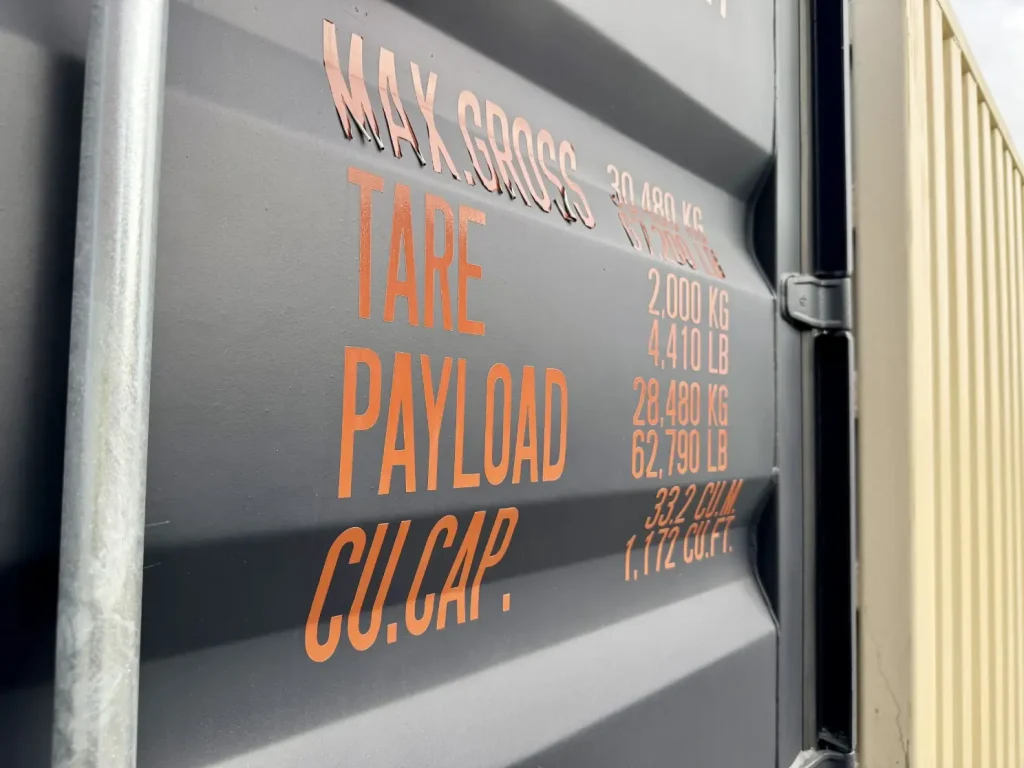
The plate shows the country and reference of the approval, the date of manufacture, the manufacturer’s identification number, the maximum operating gross mass, the allowable stacking load and the racking test load. It also shows either the date of the next examination or an ACEP reference.
How long a CSC plate is valid
Under the Periodic Examination Scheme a new container must have its first examination within five years of manufacture and then at intervals of no more than 30 months. The next due date is stamped on the plate or on a decal beside it. Container owners with an Approved Continuous Examination Programme, known as ACEP, check their boxes at every major repair or interchange instead, and the plate carries the ACEP number rather than a date.
A one-trip container bought new comes with a fresh plate. A container retired from a shipping line usually still carries its plate, but the examination date has often passed, and the owner’s ACEP no longer covers it once it is sold out of the fleet.
When you need a valid CSC plate
- Shipping cargo by sea. A container loaded onto a ship must be CSC approved and within its examination date. Shipping lines and ports refuse units that are not.
- Moving your own goods overseas. If you buy a container to ship household goods to Australia or further, buy a cargo worthy unit with a current plate, or one the supplier will survey and plate before loading.
- Storage on land. No CSC is needed for a container that sits on your property as a store, workshop or site office. Councils look at the district plan and building rules, not the plate. See our guide to council consent.
Cargo worthy, IICL and wind and watertight
Cargo worthy, often shortened to CW, means a container is structurally sound enough to carry cargo by sea and could pass a CSC examination. IICL refers to the stricter inspection standard of the Institute of International Container Lessors, used when leased containers are returned. Wind and watertight means the box keeps weather out but may not meet the structural standard for shipping. Our guide to container grades compares these labels, and our buying checklist shows what to look at on the actual unit.
Recertifying a used container
A container with an expired plate can be surveyed again. An approved surveyor inspects the frame, corner posts, castings, floor, roof, doors and seals, and the container may need repairs before it passes. After a successful survey the plate is extended for up to 30 months under the Periodic Examination Scheme. Some NZ suppliers offer to survey and plate a used container on request, often for a shorter period on older stock. Ask for the survey report and the new examination date in writing, and allow for the survey fee and any repairs in your price.
Containers arriving in New Zealand
Every sea container that arrives in New Zealand falls under the Ministry for Primary Industries Import Health Standard for Sea Containers from All Countries, revised in July 2019. Containers must arrive clean, inside and out, and free of soil, plant material, insects, snails, animals and their eggs. Shipping lines complete a sea container quarantine declaration, and Biosecurity New Zealand can inspect, clean or treat a container before it is released. In the brown marmorated stink bug season, containers and cargo from some countries, including Italy, must be treated before they arrive.
If you import a container yourself, or buy one that has just come off a ship, these rules sit with the importer and the shipping line. Check the container is clean before it goes onto your property, and if you plan to send it overseas again, clean it thoroughly, because the destination country will apply its own biosecurity checks.
Need a container with a current CSC plate?
Tell us whether it is for storage or for shipping cargo, the size and your address. Suppliers who service your area quote cargo worthy or plated units where you need them.
Get a free quoteFAQ
Container certification: common questions
No. A container used only for storage on land does not need a valid CSC plate. The plate matters when the container will be shipped with cargo. For storage, check the condition of the doors, seals, floor and roof instead.
A CSC plated container carries a Safety Approval Plate under the International Convention for Safe Containers, with a current examination date or an ACEP reference. It is approved to carry cargo in international transport.
Not exactly. Cargo worthy describes the structural condition, and a cargo worthy container should pass a CSC examination. CSC certified means the container has a valid plate and examination date. Ask the seller which one you are getting.
Yes. Buy a cargo worthy container with a current CSC plate, or ask the supplier to survey and plate it before you load. Clean it thoroughly inside and out, because the destination country applies its own biosecurity rules.
Yes. Sea containers arriving in New Zealand must meet the MPI Import Health Standard for Sea Containers from All Countries. They must be free of contamination, and Biosecurity New Zealand can inspect, clean or treat them before release.
Andreas Atrott | Shipping container specialist and founder
Andy has worked with shipping containers since 2013. He runs shipping-containers.com.au from Brisbane and Shipping-Containers.co.nz for New Zealand buyers, and spends much of his time inspecting containers, checking grades and sorting out deliveries. His YouTube channel Andy Knows Containers covers buying, inspecting, delivering and converting containers.
Blog
More container guides

Do You Need Consent for a Shipping Container in NZ?
New vs Used Shipping Containers: NZ Buying Guide
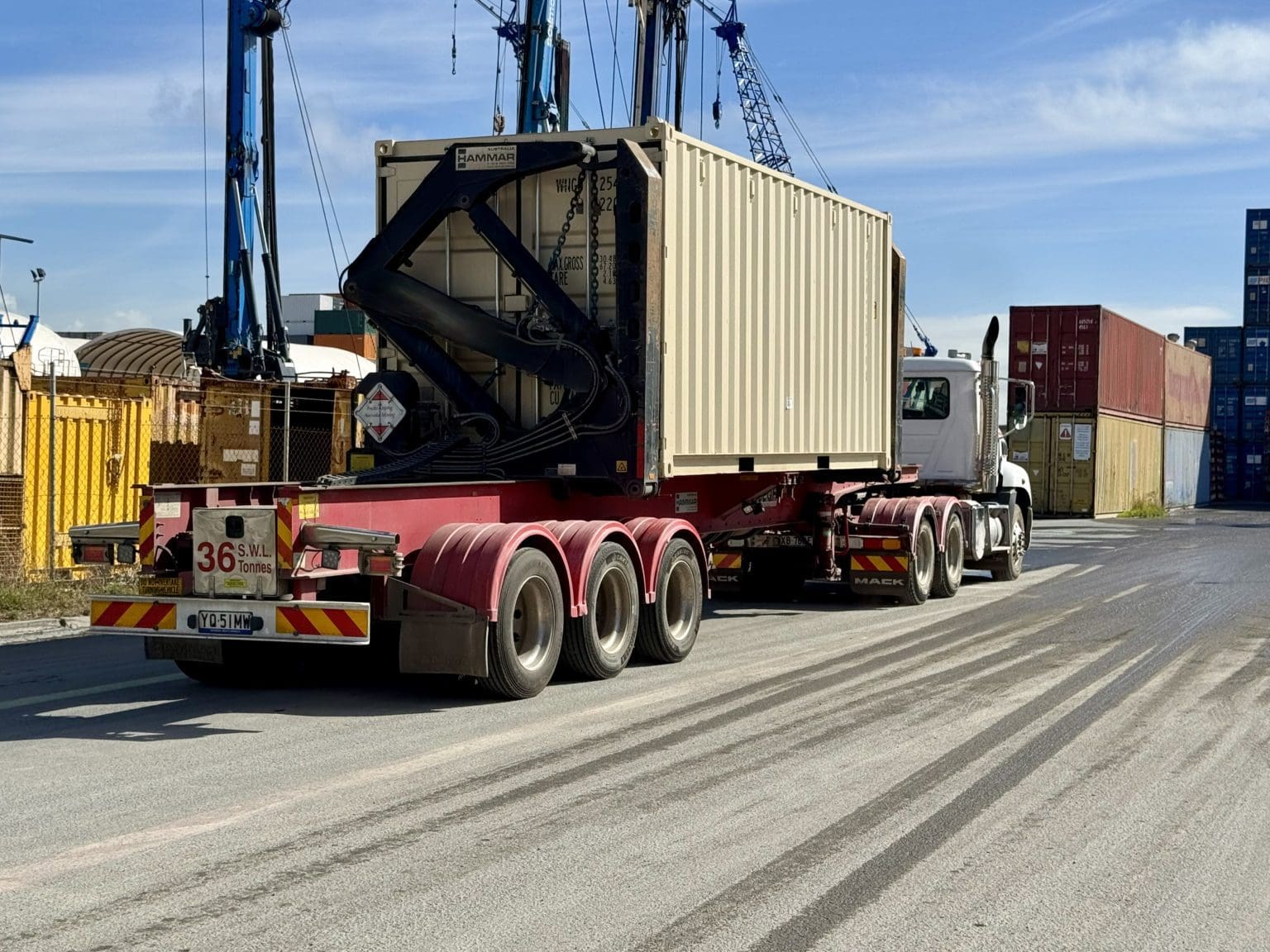
HIAB vs Swinglift: Container Delivery Options in NZ
Need a container for your project?
Tell us the size, condition and delivery address. Your request goes to suppliers who service your area.
Get a free quote