



Shipping Containers Across the South Island
South Island containers arrive mainly through Lyttelton, Port Chalmers, Port Nelson, Timaru and Bluff. Choose your city below for local delivery notes, council links and climate, or send one request for any address.
Backed by the team behind Shipping-Containers.com.au


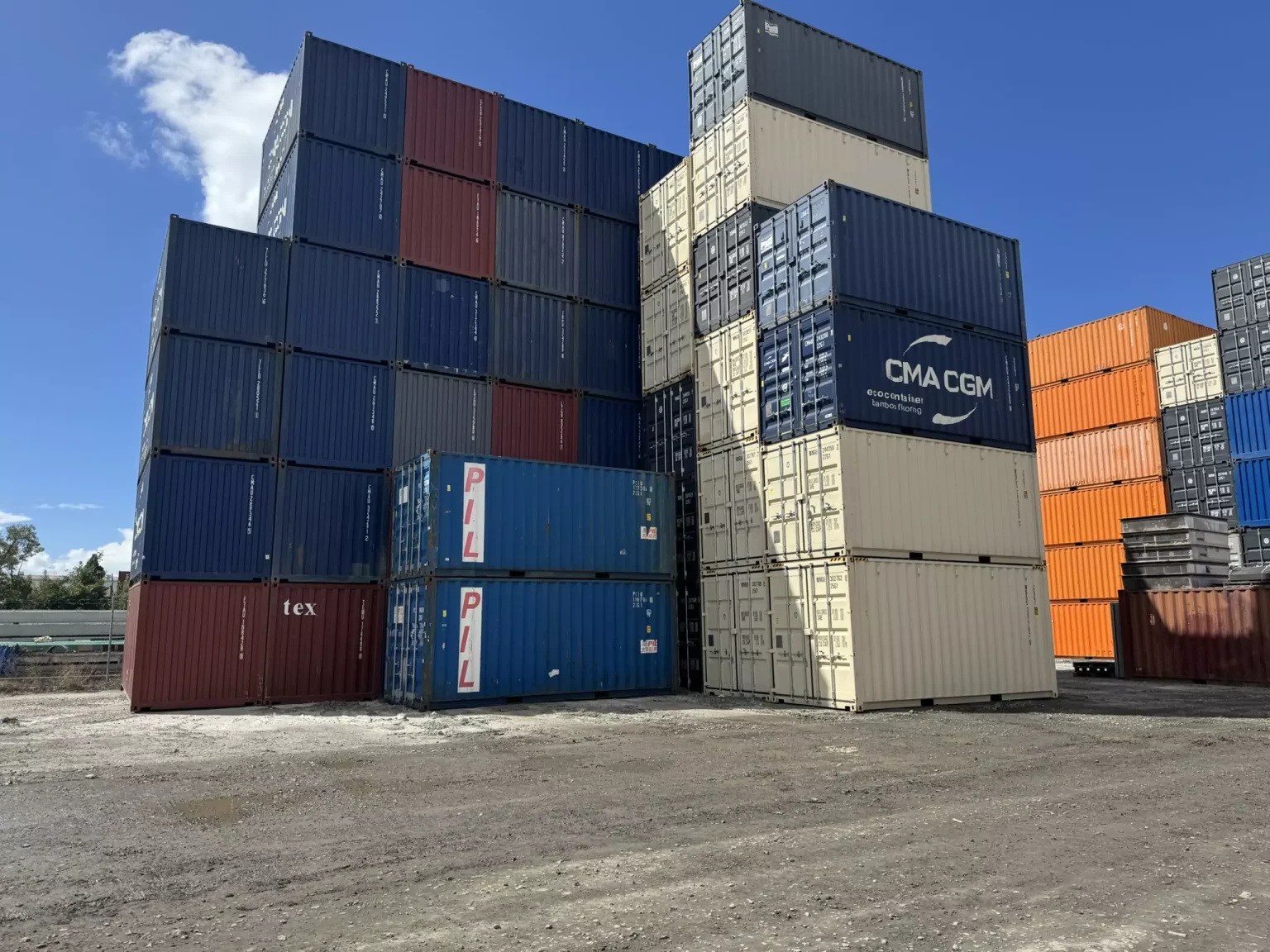
Where South Island containers come from
Lyttelton Port of Christchurch is the largest South Island container port and handled about 11 percent of New Zealand’s container volume in the year to June 2025. Port Otago at Port Chalmers serves Dunedin and Otago, Port Nelson serves Nelson, Tasman and Marlborough, PrimePort serves Timaru and South Canterbury, and South Port at Bluff serves Southland. Containers can also cross Cook Strait on the freight ferries when a unit is sourced in the North Island.
Distances between towns are long, so the transport part of a quote carries more weight than in the North Island. A site in Central Otago or the West Coast may be several hours from the nearest depot. Give the full delivery address and access details, and compare quotes on the delivered price. See how container delivery works and our guide to container transport costs.
Conditions to plan for
Cold nights and damp air make condensation the most common complaint about stored goods in Otago and Southland, so vents and moisture control are worth planning from the start. Queenstown and Central Otago add snow, frost and alpine access, while Canterbury’s nor’westers call for secure placement on open sites. Read our guide to keeping a container dry.
Top of the South and Canterbury
Nelson, Marlborough, Christchurch
Otago and Southland
Dunedin, Queenstown, Invercargill
Container types
Browse your container options
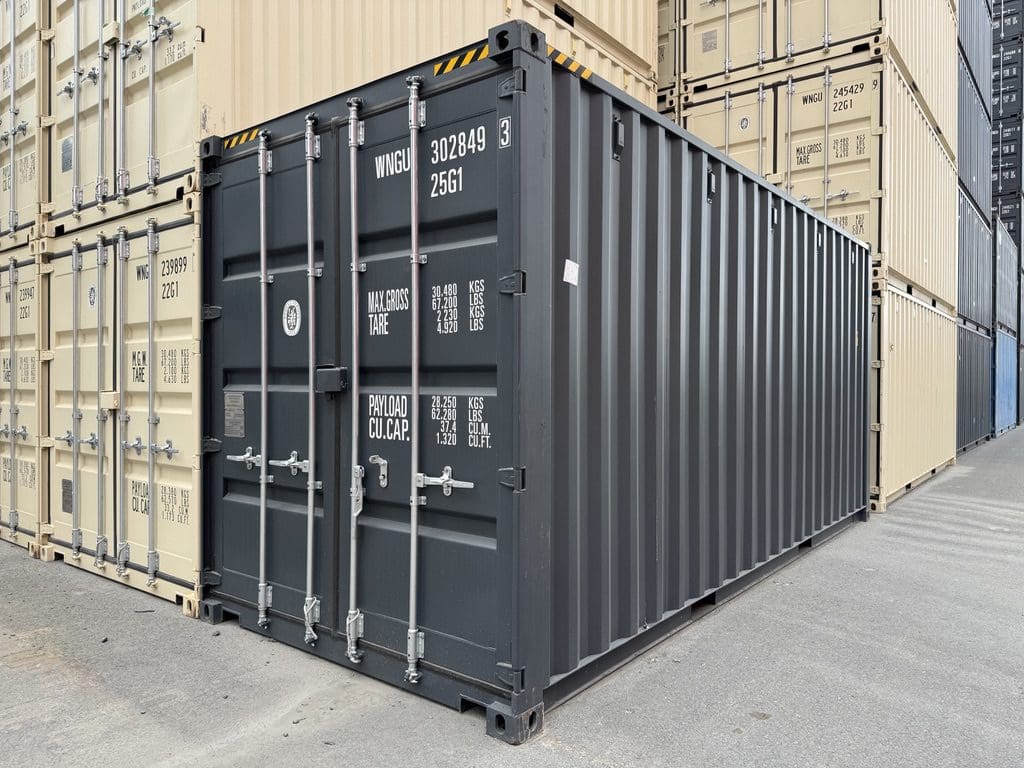
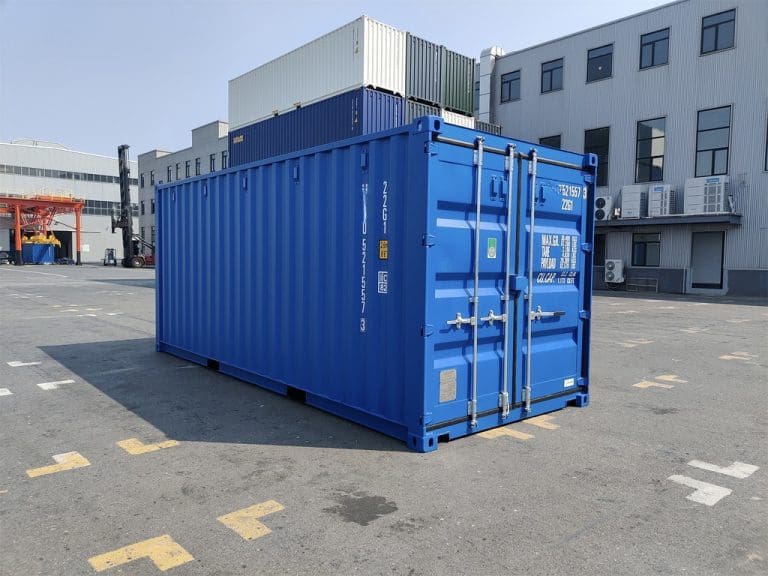
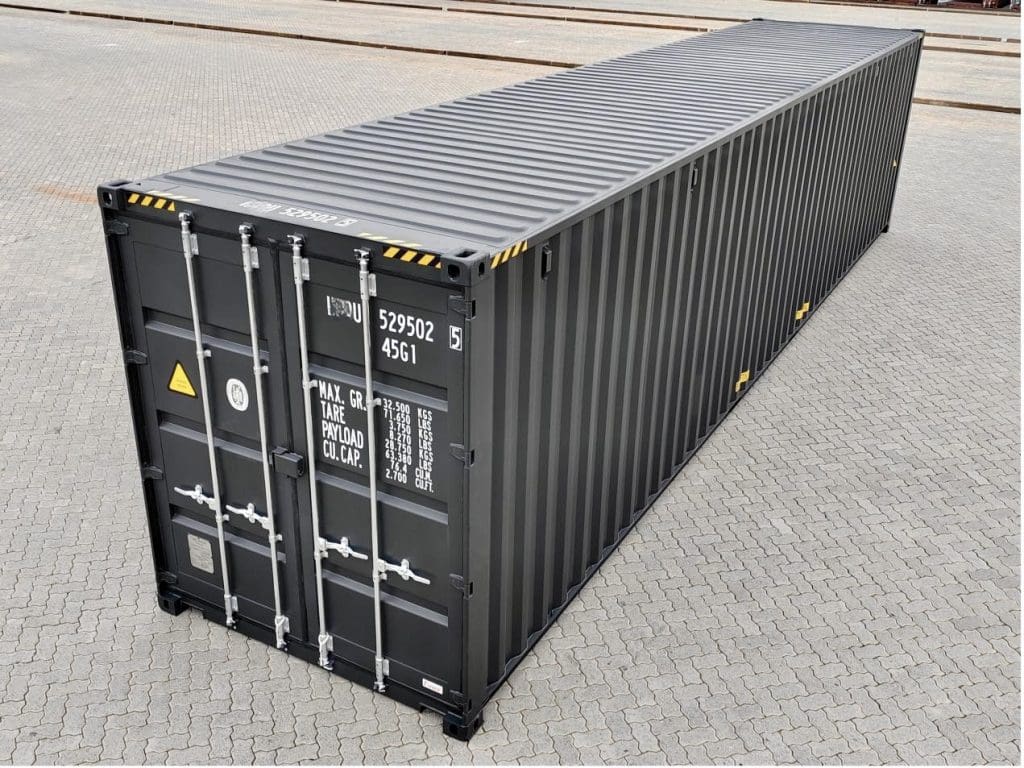
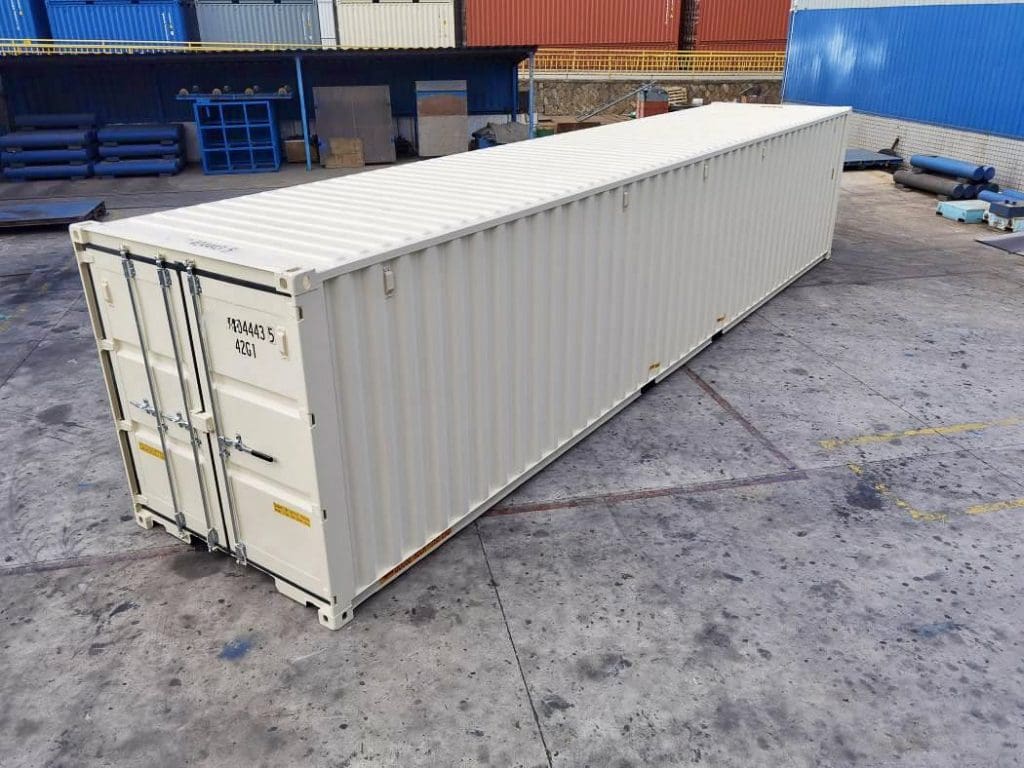
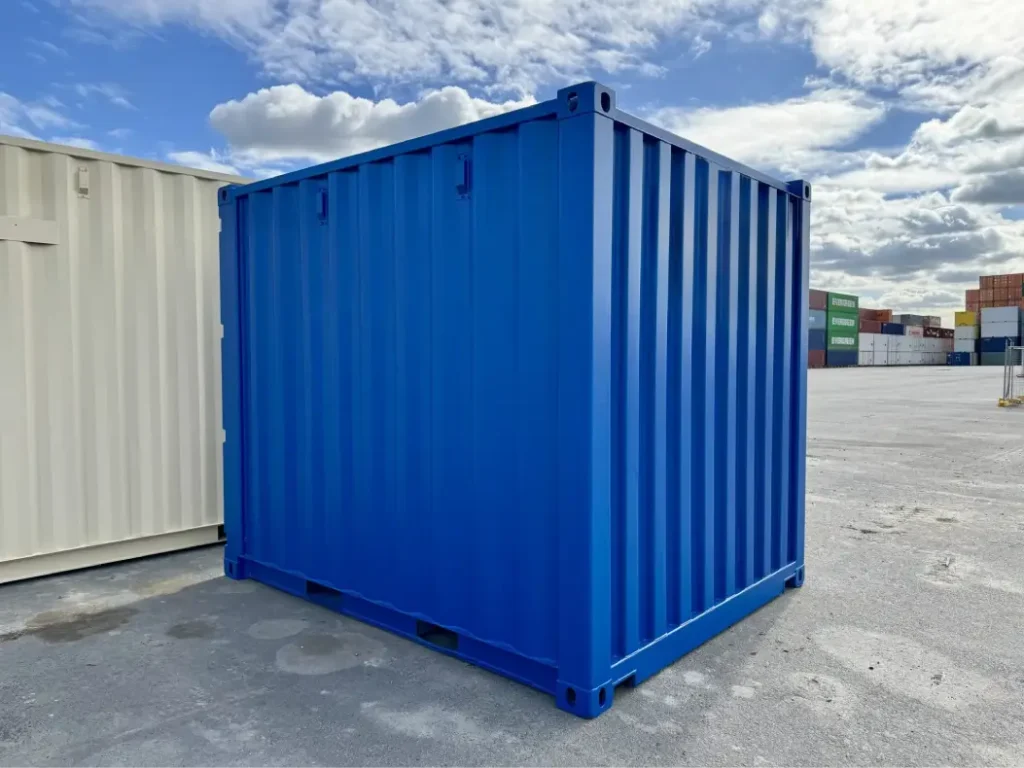
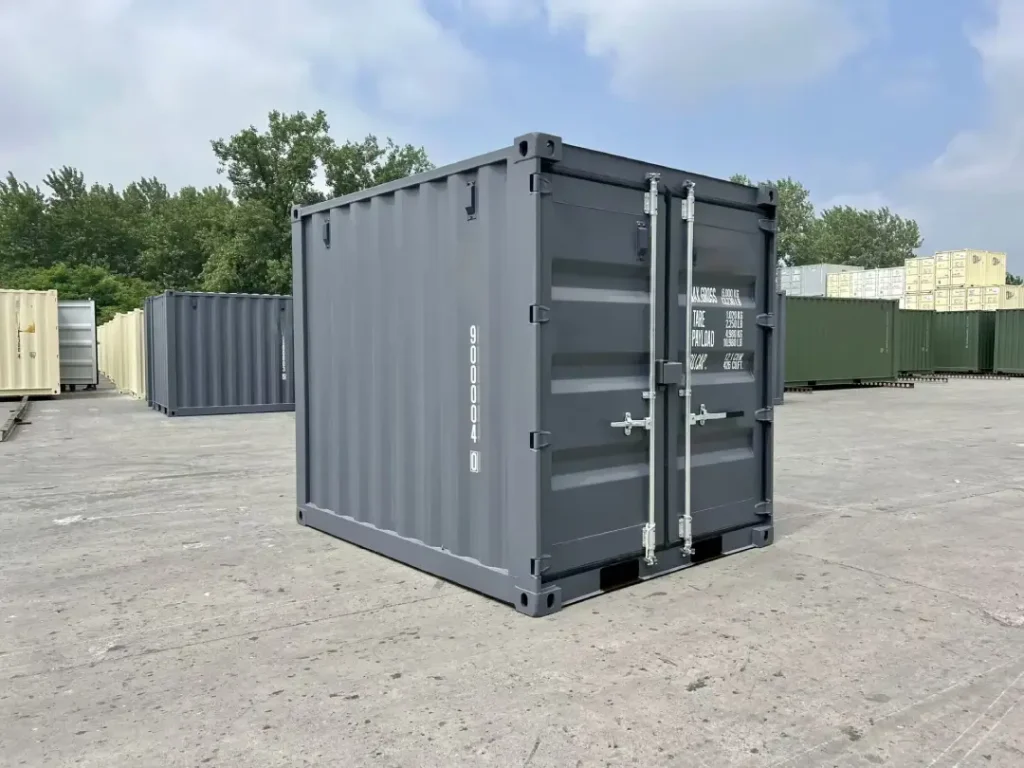
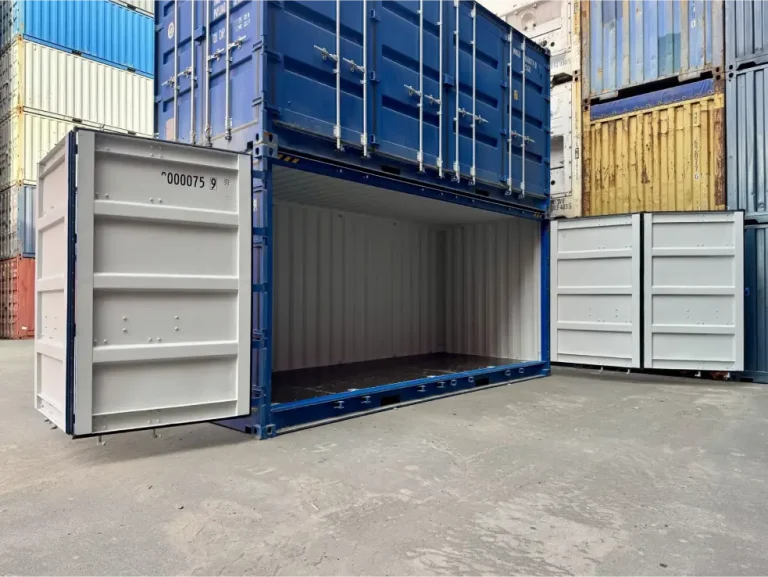
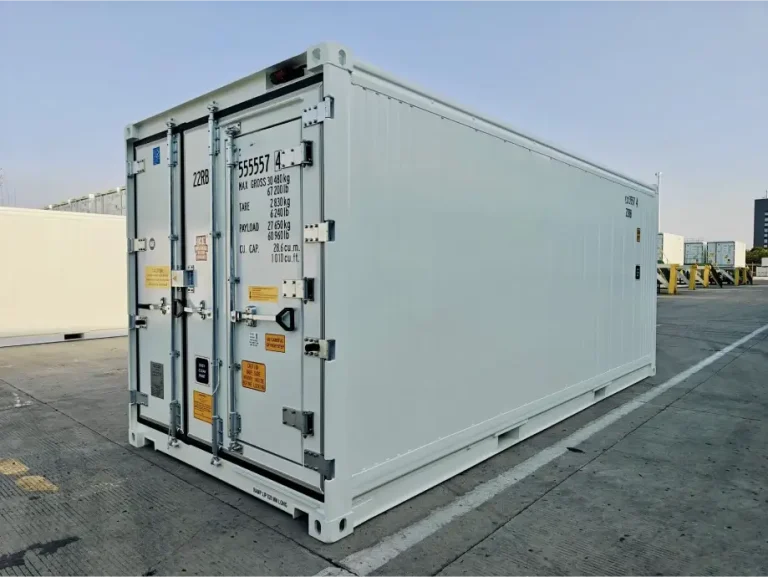
One request reaches suppliers who service your area
Tell us the size, condition and delivery address anywhere in the South Island.
Get a free quoteFAQ
South Island questions
Yes. Containers cross Cook Strait on the freight ferries between Wellington and Picton, and some suppliers move stock between islands to fill orders. Inter-island transport adds cost, so a container already held at a South Island depot is usually cheaper to deliver. Ask suppliers where the unit is located when you compare quotes, and see our transport cost guide for what drives the price.
Condensation forms when warm, damp air inside the container meets steel that has cooled overnight. In Otago and Southland this is common through autumn and winter. Fit vents, keep stored goods off the floor on pallets, and use moisture absorbers or a dehumidifier for sensitive items. Insulation helps where the container is used as a workspace. Our condensation guide covers each option.
Locations we cover in South Island
5 cities — choose one to find local suppliers near you.