



Shipping Container Pools in New Zealand
A container pool uses a steel shipping container as the shell of an above-ground or partly sunk swimming pool. It can be quick to install, but it is still a residential pool under the Building Act, so plan the barrier and the engineering before you order.
Backed by the team behind Shipping-Containers.com.au



How it works
From container to pool
The basics
How a container pool is built
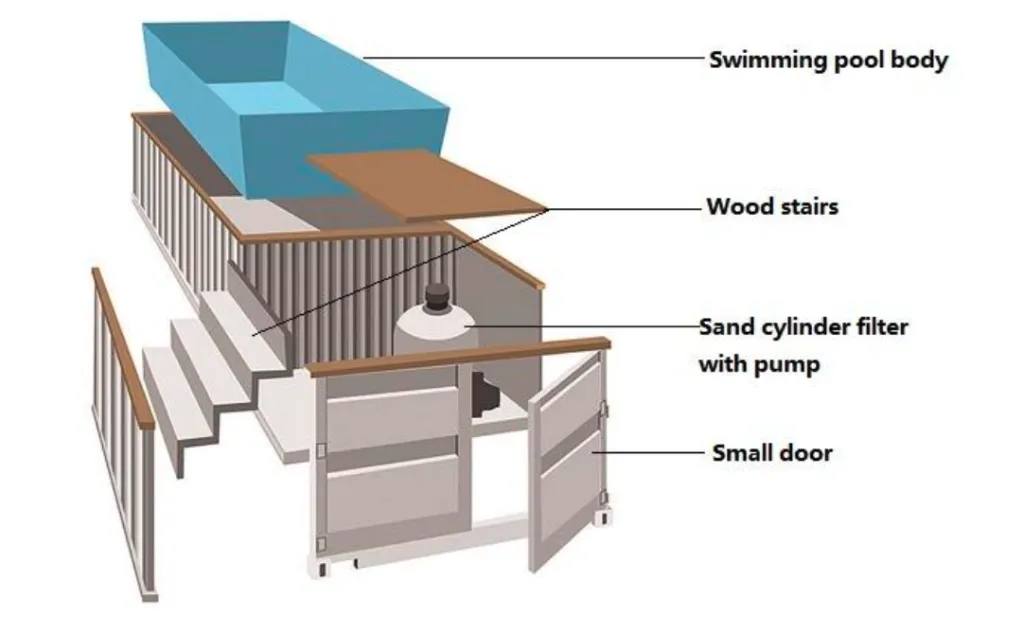
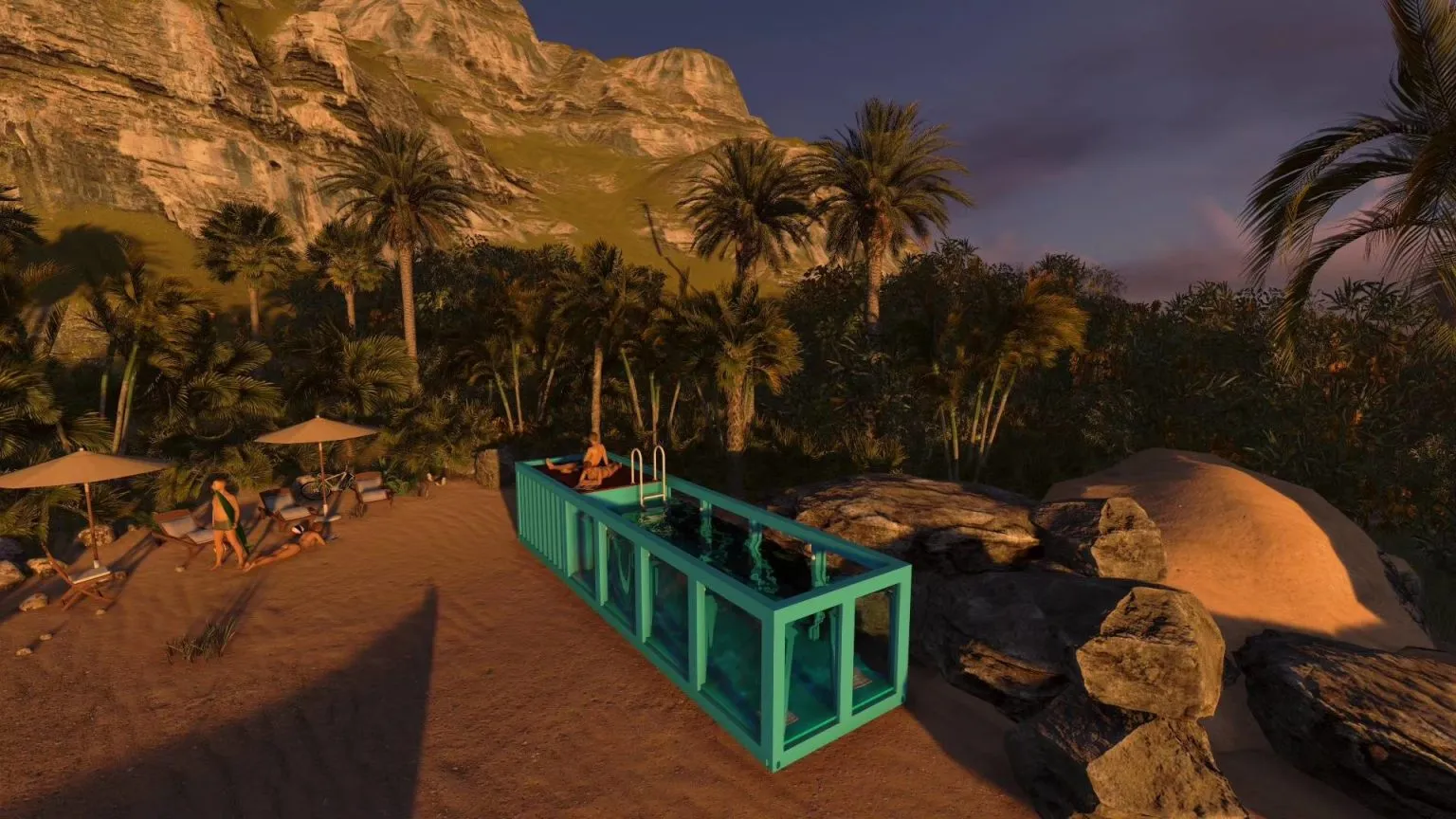
Most container pools start with a new 20ft or 40ft container. The roof is removed or opened, the inside is reinforced and lined with fibreglass or a vinyl liner, and a pump, filter and often a heater are added in a plant area at one end. Windows can be cut into the side walls. The pool can sit above ground, be partly sunk with a deck, or go fully into the ground.
A 20ft container is about 5.9 m long and 2.35 m wide inside. At 1.2 m water depth it holds roughly 16.6 cubic metres, which weighs about 16.6 tonnes. A 40ft at the same depth holds more than 30 tonnes.
Engineering
What the steel has to cope with
A container is designed to carry cargo and stack on its corner posts. Its corrugated walls were not designed to hold constant outward water pressure, and removing the roof takes away part of its stiffness. A pool conversion needs added steel framing, and every window or cut-out needs an engineered frame. An engineer should design the base to carry the full water load evenly.
- In-ground pools face soil pressure on the walls when the pool is drained, and groundwater can lift an empty pool.
- Chlorinated or salt water corrodes bare steel, so the lining and coatings must be continuous and maintained.
- Coastal sites add salt air; see our coastal corrosion guide.
Delivery
Getting it onto your section
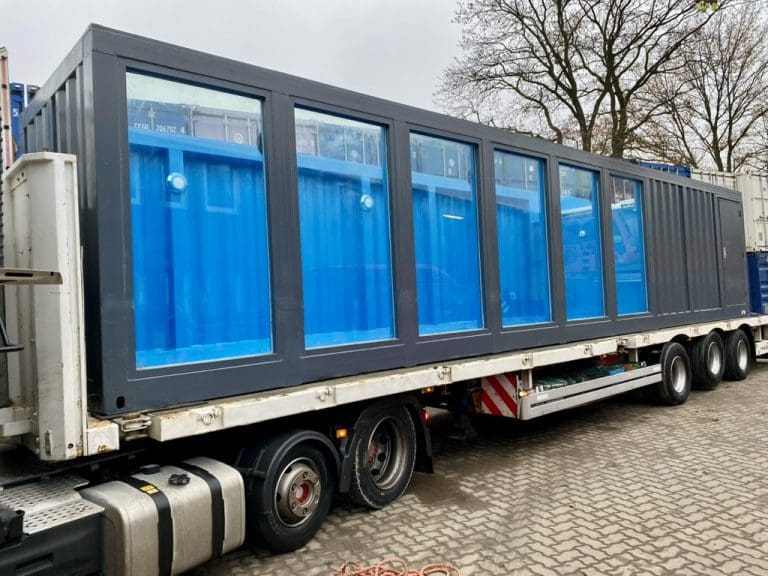
An empty 20ft container weighs about 2.2 tonnes, but a fitted pool with liner and plant is heavier, so most are placed by HIAB or crane truck onto a prepared base. Check access width, overhead lines and where the truck’s outriggers will stand. Our delivery and site access guide has a checklist, and our guide to container foundations covers base options.
Pool barrier rules
The Building (Pools) Amendment Act 2016 added a subpart on residential pools to the Building Act 2004 from 1 January 2017. Its purpose, set out in section 162A, is to prevent unsupervised access to residential pools by children under 5 years of age. The main rules:
- Section 162C: every residential pool must have a means of restricting access that complies with the Building Code. The relevant clause is F9, Means of restricting access to residential pools.
- Section 162D: councils must inspect residential pools at least once every 3 years, or accept a certificate from an independently qualified pool inspector.
- Section 162E: pool manufacturers and retailers must supply a notice to buyers about these obligations.
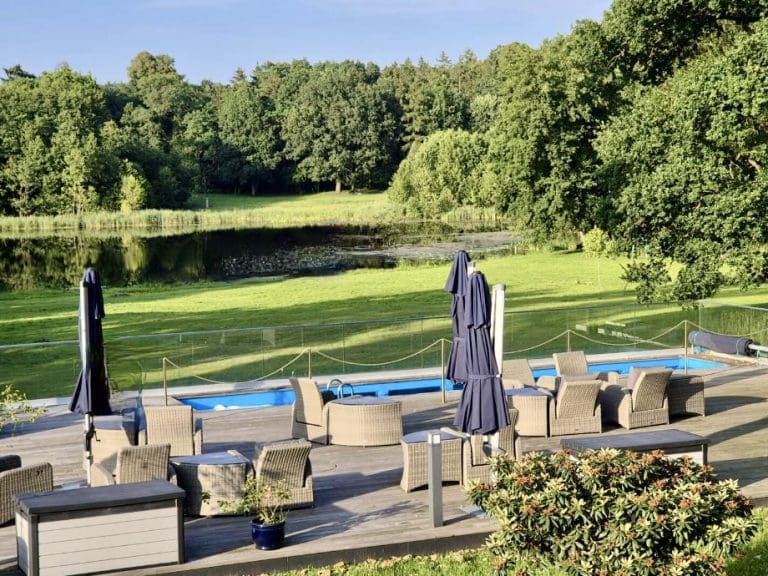
The Acceptable Solution F9/AS1 describes barriers at least 1.2 m high without climbable footholds. The raised steel sides of an above-ground container pool can form part of the barrier if they are designed to F9, but steps, decks and plant housings must not give a child a way up. Spa pools with a water surface of 5 m² or less can rely on a compliant lockable cover; a 20ft container pool has about 13 m² of water, so it needs a full barrier. Most councils require a building consent for a new residential pool and its barrier. Confirm the details with your council before you order.
Pumps, heaters and lighting must be wired by a licensed electrician, and the district plan may apply yard and coverage rules. Our container consent guide explains how councils treat modified containers.
| Cost item | Published figure | Notes |
|---|---|---|
| 20ft new or one-trip container | Median $4,830 incl. GST | Middle half $4,590 to $5,290 incl. GST |
| 40ft high cube, new | $6,999 to $10,595 incl. GST | 4 listings |
| Transport and crane hire | $800 to $2,500 | Access and distance dependent |
| Lining, filtration, heating, barrier, engineering and consent | Not published | Ask pool builders for itemised quotes |
Cost drivers and questions for pool builders
The container is the cheapest part of a pool. The Shipping-Containers.co.nz NZ price index, October 2026 puts a new 20ft at a median of $4,830 incl. GST, while reinforcement, lining, plant, barrier, base and installation make up most of the budget. Compare container pool costs in Australia. Ask any builder:
- Who engineers the reinforcement, base and any windows, and is a producer statement included?
- How does the design meet clause F9, and is the barrier in the price?
- Who prepares and lodges the building consent?
- What lining is used, what warranty applies, and how is corrosion prevented?
- What does the price exclude: delivery, crane, base, electrical and plumbing connections?
If the builder asks you to supply the container, request container quotes with the exact size and grade, and see container modifications for the work suppliers offer.
Container types
Browse your container options
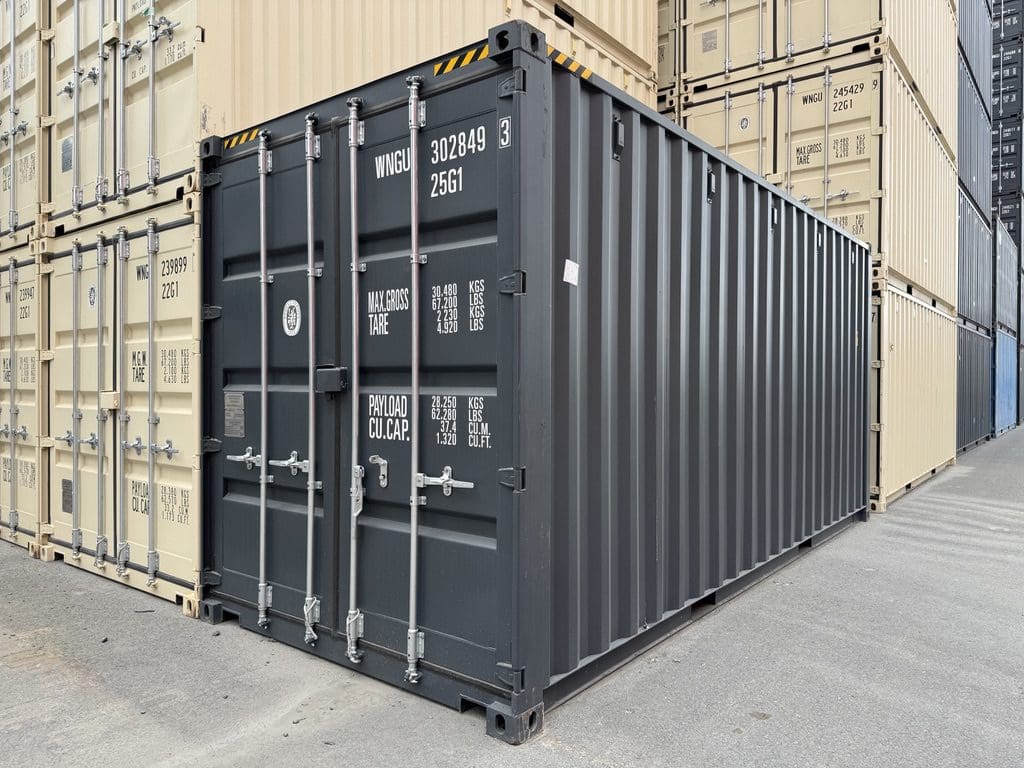
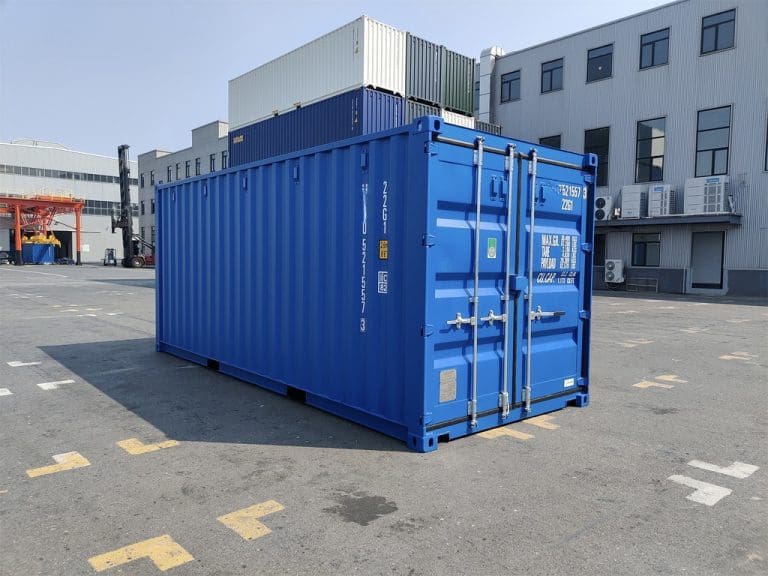
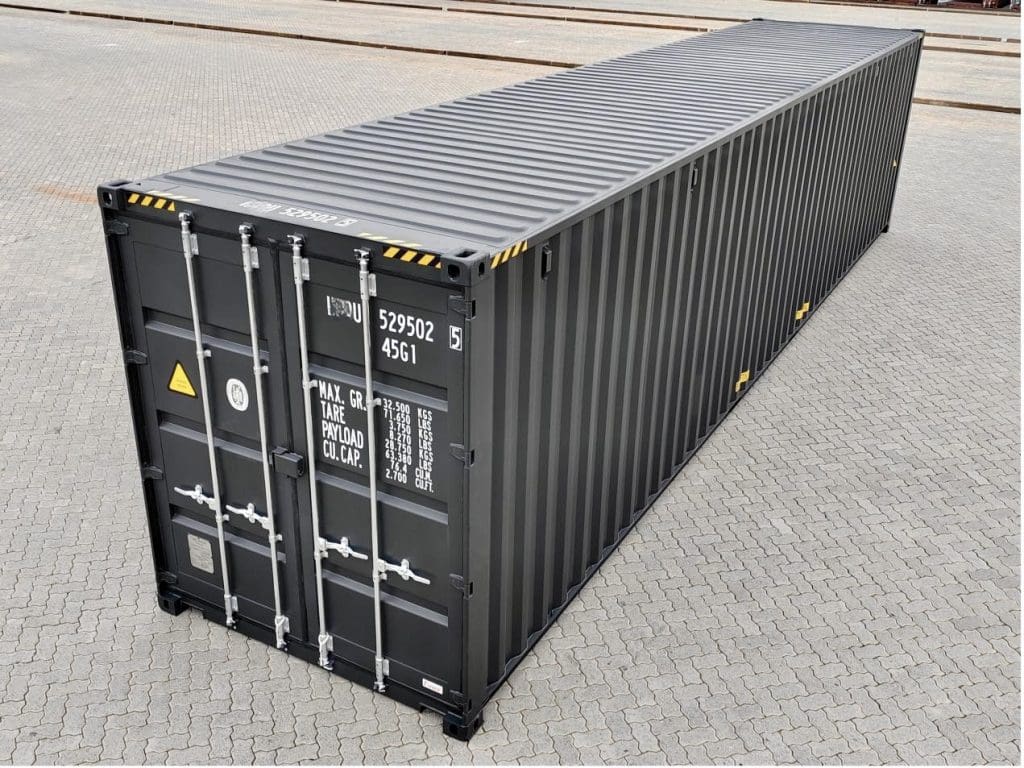
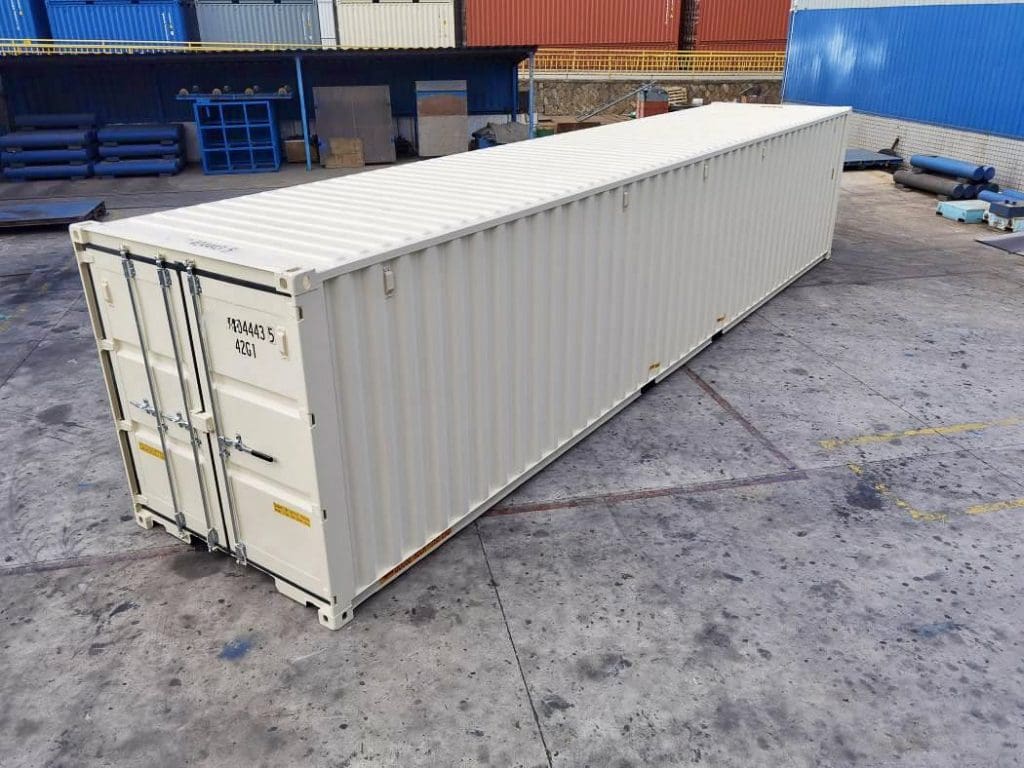
Sourcing a container for a pool build?
Send us the size and condition your pool builder specified, plus the delivery address. Local suppliers quote directly.
Get a free quoteFAQ
Container pool questions
Yes. Any residential pool must have a means of restricting access by children under 5 that complies with Building Code clause F9, under section 162C of the Building Act. The raised sides of an above-ground container pool can form part of the barrier if designed for it, but access points such as steps and decks must be controlled. Councils inspect residential pools at least once every three years.
In most cases, yes. Councils generally require a building consent for a new residential pool and its barrier, and a container pool also involves structural modification, plumbing and electrical work. The district plan may apply yard and coverage rules too. Talk to the council early with drawings.
Yes, with engineering. When drained, an in-ground pool must resist soil pressure on its walls, and on wet sites groundwater can push an empty pool upwards. That needs reinforcement, drainage and possibly anchoring designed by an engineer. Partly sunk installs with a deck around them are a common compromise.
A 20ft gives about 5.9 m of internal length, suits smaller sections and is easier to deliver by HIAB. A 40ft gives about 12 m for lap swimming but holds more than 30 tonnes of water at 1.2 m depth, so it needs a bigger engineered base and more room for the delivery truck.