



Shipping Container Sleepouts in NZ: Consent and Setup

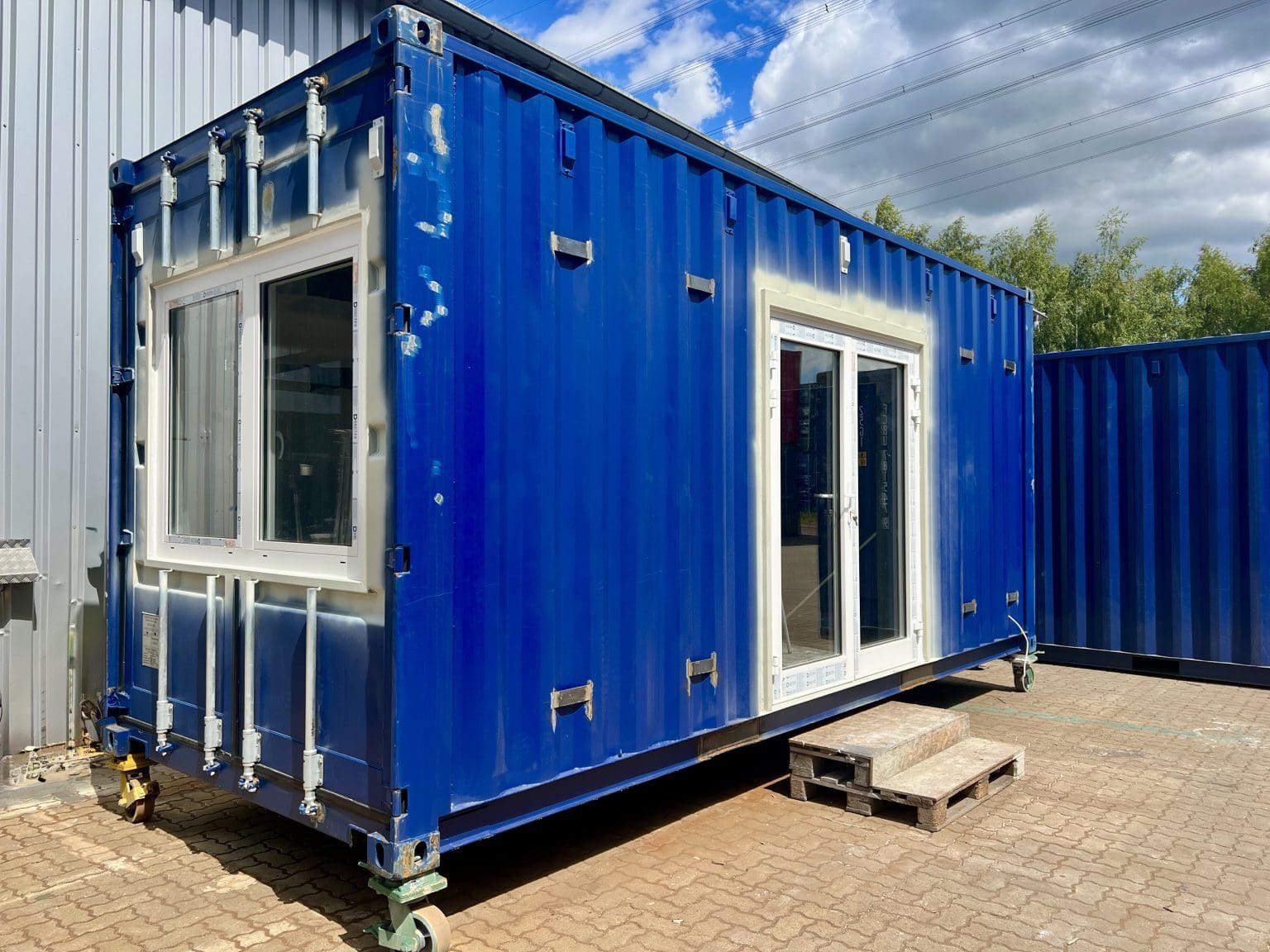
A sleepout is a detached bedroom used together with the main house, without its own kitchen. Containers suit the job because they arrive as a weathertight, lockable box. Whether you need a building consent depends on the container’s size, how much you modify it, whether it has plumbing, and how close it is to boundaries. Councils also take different views on habitable containers, so treat this guide as preparation for a conversation with your council, not a substitute for it. The rules below are as at October 2026.
The exemptions that can apply
Schedule 1 of the Building Act exempts some small detached buildings from building consent. Since 23 October 2025, under the Building (Exempt Roof-mounted Solar Panel Arrays and Building Work) Order 2025, buildings up to 10 m² have no boundary distance condition, and buildings of 10 to 30 m² must be at least 1 m from any boundary or residential building (MBIE summary).
| Container | Approx. floor area | Possible route | Notes |
|---|---|---|---|
| 10ft | 7.3 m² | Clause 3 (up to 10 m²) | Sleeping allowed only if used with a dwelling and no cooking facilities. No boundary condition. |
| 20ft | 14.8 m² | Clause 3B (LBP) or 43 (engineer-reviewed design) | 1 m from boundaries and residential buildings. Clause 3A requires lightweight products, which a steel shell is not. |
| 40ft | 29.7 m² | Clause 3B or 43 | Just under 30 m². A deck roof or lean-to can push it over. |
| Two joined units | Over 30 m² | Building consent | Joining containers is building work. |
What the exemptions rule out
- No sanitary facilities and no storage of potable water. A toilet, shower or basin takes the building outside the exemption, and building.govt.nz notes that plumbing still needs consent.
- No cooking facilities if people sleep in it.
- Single storey only: floor no more than 1 m above the ground and no more than 3.5 m high above the floor.
- Clause 3A also requires smoke alarms where there is sleeping accommodation; fit them whichever route you use.
Exempt work must still comply with the Building Code under section 42A. Exempt does not mean unregulated: openings, framing and ventilation still have to be right, and electrical work must be done by a licensed electrician, who provides an electrical safety certificate.
How councils see container sleepouts
Grey District and Invercargill council guides list a sleepout without cooking among the occupied uses that need building consent, and Whangārei District Council requires consent for any use other than storage. Those guides were written before the October 2025 changes, and work that genuinely fits a Schedule 1 exemption does not need council approval, but they show how councils approach containers. A modified container is also not a typical lightweight building, so expect questions. Ask the council for its view before you cut steel, and consider a discretionary exemption under clause 2 or a full consent if the answer is unclear. Our container consent guide covers the determinations behind this.
The district plan applies too: yards, coverage and overlays. The national standard for minor residential units does not cover sleepouts that are not self-contained, so ordinary zone rules apply. Letting a sleepout to paying guests is a different activity; Crux reported a $12,000 fine in the Queenstown Lakes district for containers converted for visitor accommodation without consents.
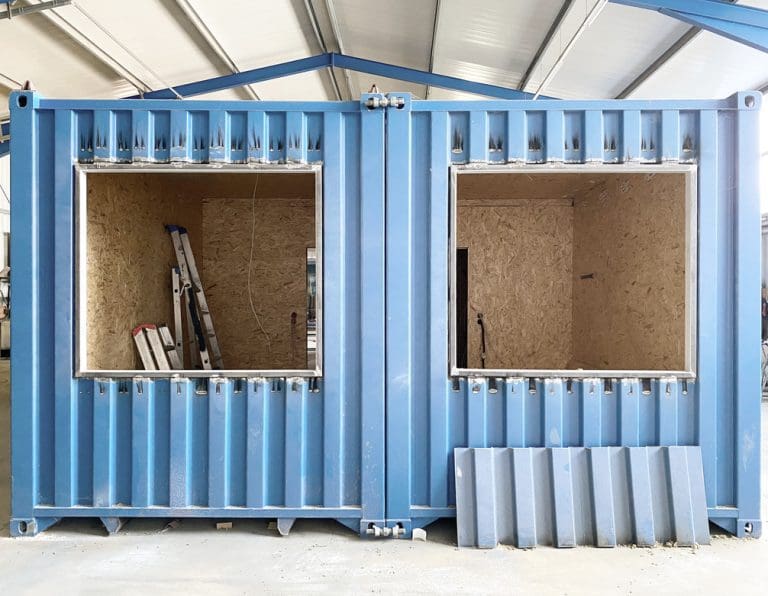
Making it comfortable and dry
A bare steel box is cold in winter, hot in summer and wet inside on cool nights, because water condenses on the underside of the roof. People sleeping in a small space add moisture every night. Plan these items from the start:
- Insulation on walls, roof and floor with a vapour control layer. Closed-cell spray foam and insulated panels are the common choices; compare them in our container insulation guide.
- Ventilation and light. Ruapehu District Council’s container guide cites natural light of at least 10% of floor area and opening windows of at least 5% for habitable containers.
- Headroom. Linings and ceiling insulation take height, so a 20ft high cube with about 30 cm more height is the usual choice.
- A level, stable base. Clause 3 and 3B buildings still need adequate support and, on exposed sites, tie-downs.
- Condensation control for the first weeks while linings dry; our condensation guide explains why containers sweat.
Colour matters more than many expect. Our field study measured temperature and humidity in five containers, and the video below shows how much hotter dark units run.
A sensible order of work
- Decide the size from the bed, storage and door positions; a 10ft container suits a single bed, a 20ft a double with storage.
- Confirm the exemption route or consent with the council, and check district plan yards.
- Choose a new or one-trip shell for a clean interior and floor.
- Get openings, insulation and linings designed together.
- Book the electrician early.
- Request quotes for the container and delivery, noting where the truck can stand.
If you want a bathroom or kitchenette, you are building a small dwelling: see the granny flat exemption and container tiny homes.
Ready to price a sleepout shell?
Send us the size, condition and delivery address. Suppliers in your area quote directly, including delivery.
Get a free quoteFAQ
Container sleepout questions
It depends on size, modification and services. A 10ft container under 10 m² may fit clause 3 if it has no plumbing or cooking and is used with a dwelling. A 20ft or 40ft needs clause 3B or 43, which require an LBP or an engineer-reviewed design and 1 m from boundaries, or a full consent. Some councils treat any habitable container as needing consent, so ask first.
Not under the small building exemptions. Clauses 3, 3A, 3B and 43 exclude sanitary facilities and potable water storage, and plumbing and drainage need a building consent. A sleepout with a bathroom is closer to a minor dwelling, which follows the granny flat rules or a full building consent. Plan for occupants to use the main house bathroom if you want to stay exempt.
For an exempt building of 10 to 30 m², at least 1 m from any legal boundary and from residential buildings, including your own house. Under 10 m² there is no Building Act distance since 23 October 2025. The district plan may require a larger yard, so check your zone before you place the container.
Letting to paying guests or tenants changes the use, which can bring building consent, fire safety and district plan requirements for visitor accommodation or a separate residence. In the Queenstown Lakes district a $12,000 fine was reported for container visitor accommodation built without consents. Talk to the council before advertising.
In practice, yes. Without insulation the steel shell drops below the dew point on cool nights and water drips from the roof, and the room swings between cold and hot. Exempt buildings must still meet the Building Code, including moisture and ventilation requirements. Insulated walls and roof with a vapour control layer, opening windows and a heat source keep it usable year round.
Andreas Atrott | Shipping container specialist and founder
Andy has worked with shipping containers since 2013. He runs shipping-containers.com.au from Brisbane and Shipping-Containers.co.nz for New Zealand buyers, and spends much of his time inspecting containers, checking grades and sorting out deliveries. His YouTube channel Andy Knows Containers covers buying, inspecting, delivering and converting containers.
Blog
More container guides
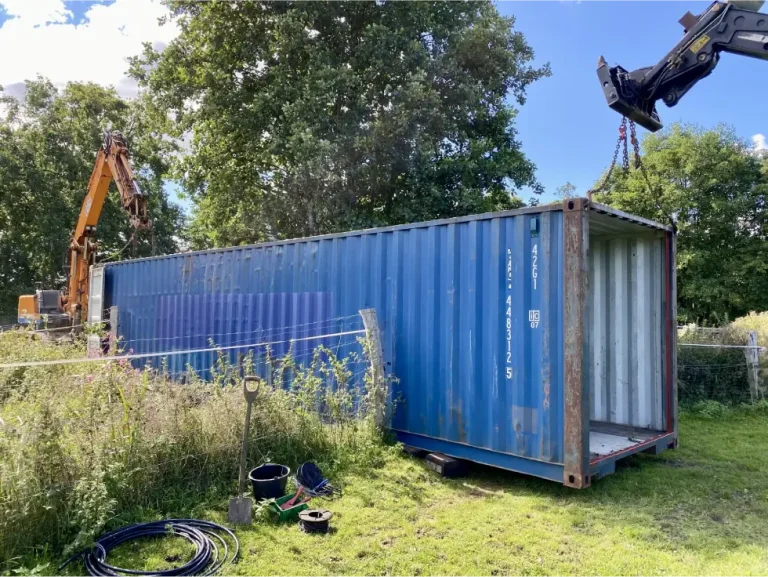

Do You Need Consent for a Shipping Container in NZ?
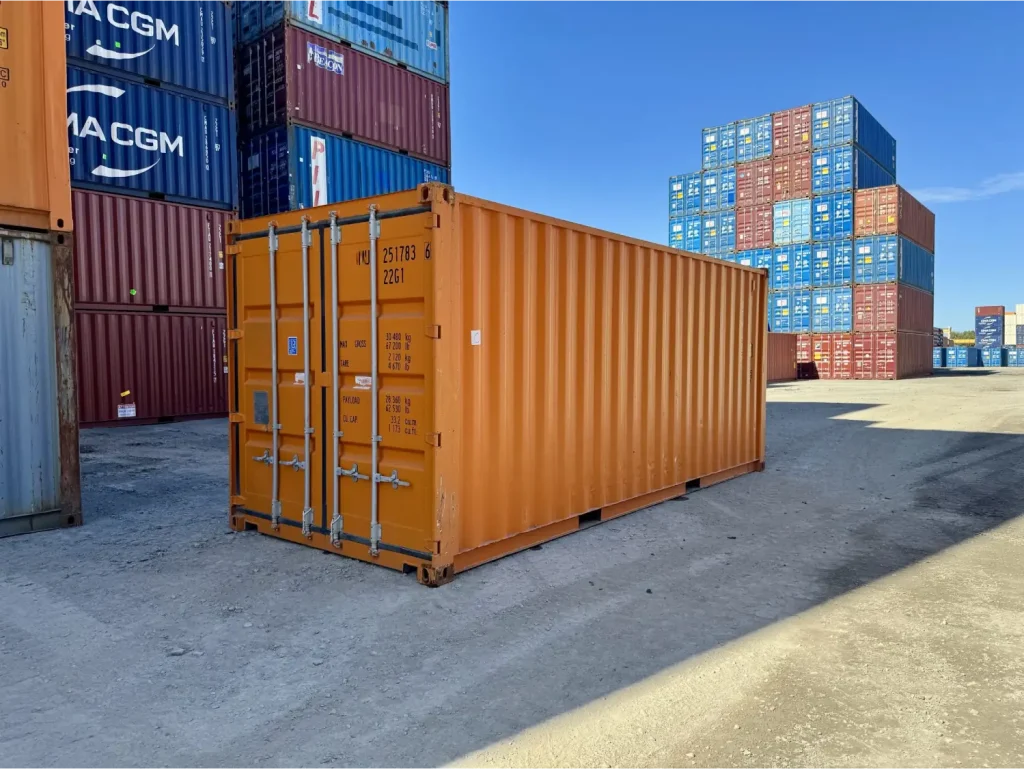
New vs Used Shipping Containers: NZ Buying Guide
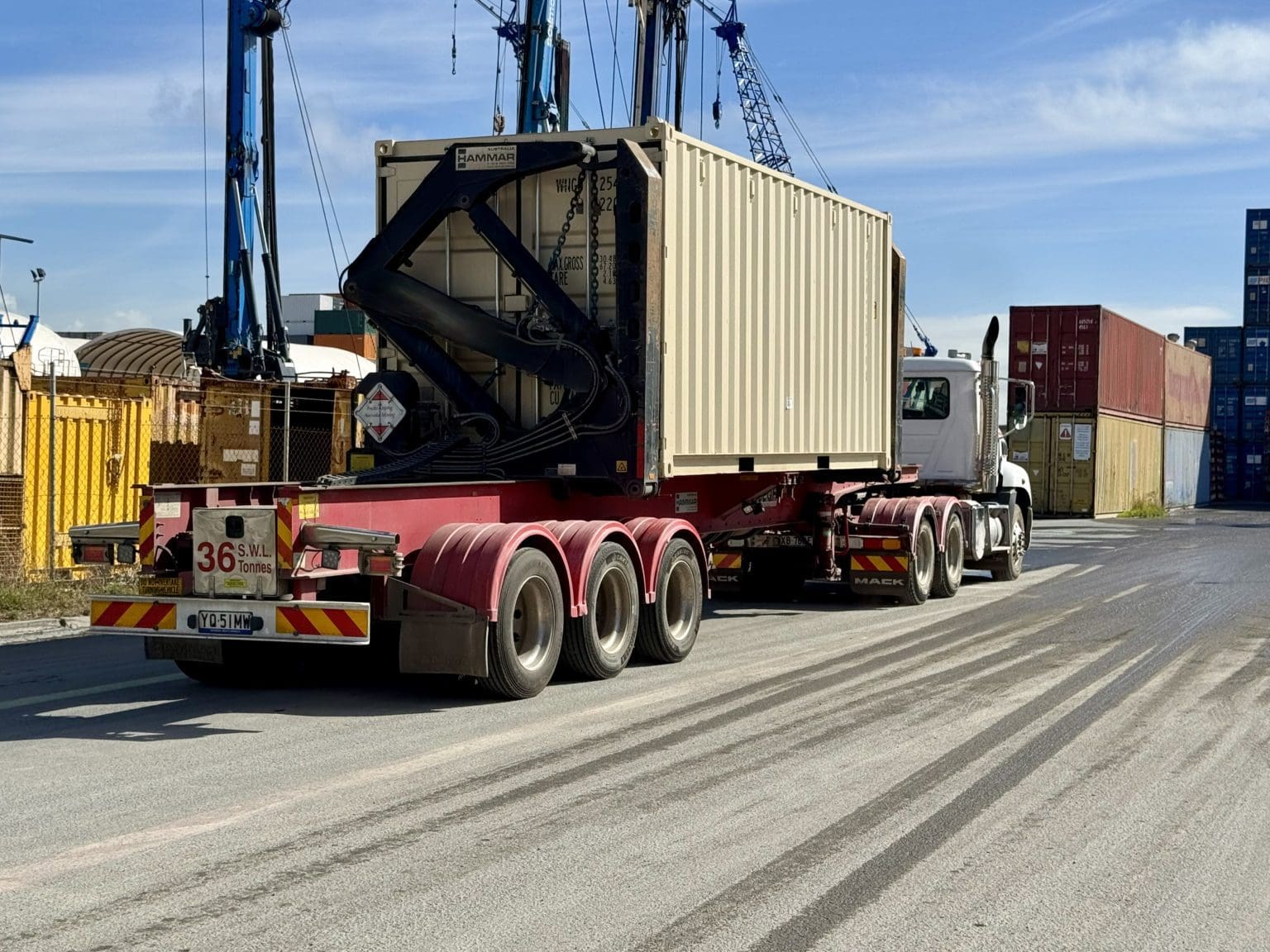
HIAB vs Swinglift: Container Delivery Options in NZ
Need a container for your project?
Tell us the size, condition and delivery address. Your request goes to suppliers who service your area.
Get a free quote