



Refrigerated Shipping Containers for Sale in NZ
Refrigerated containers, or reefers, are insulated steel boxes with their own refrigeration unit. In New Zealand they work as overflow coolstores on orchards, chillers at wineries and events, and freezer space for meat and dairy. Compare sizes, power needs and current prices, then request quotes to buy or hire.
Backed by the team behind Shipping-Containers.com.au



Reefer basics
How refrigerated containers work
Construction
Insulated box, refrigeration unit, controlled air flow
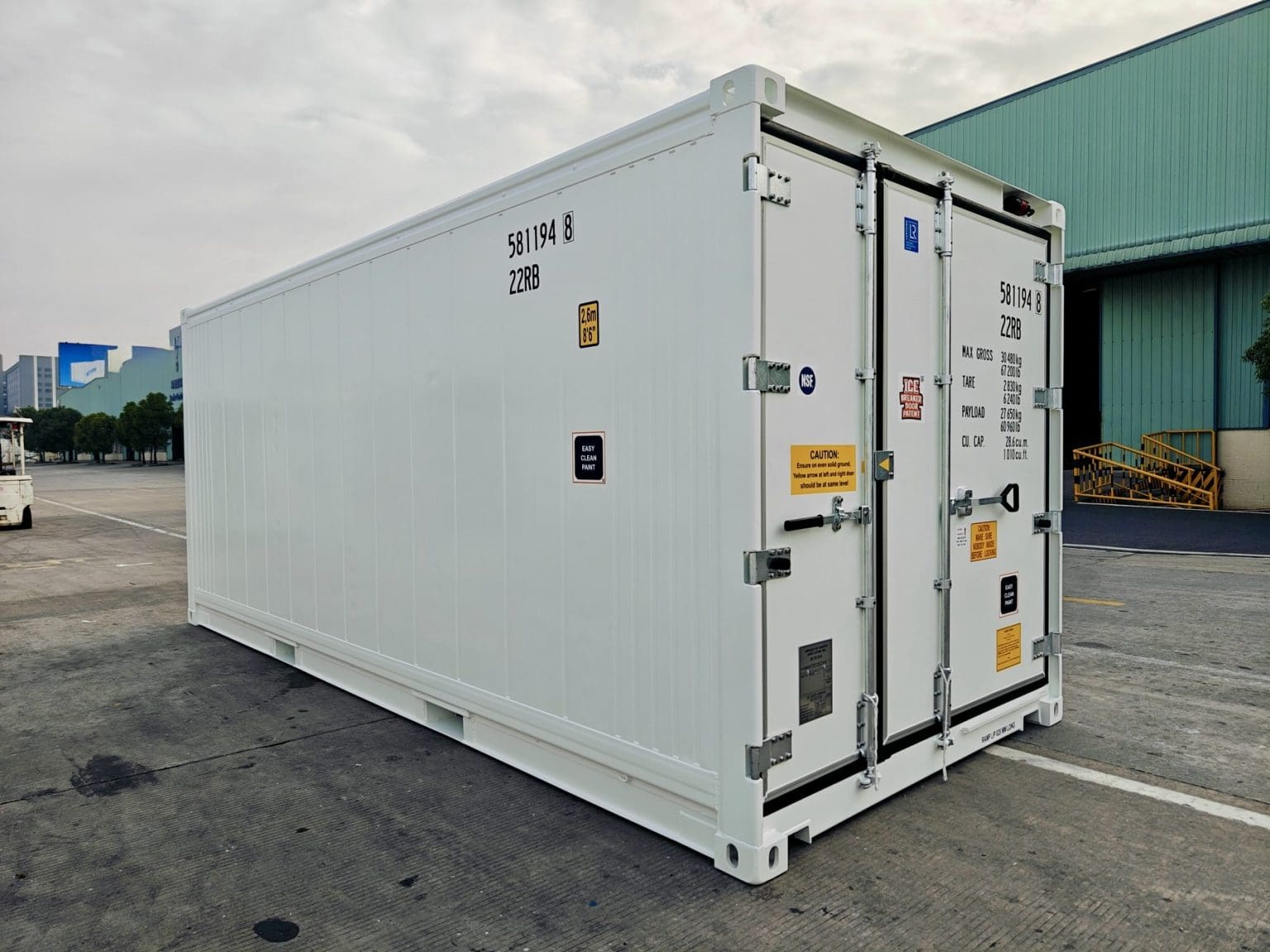
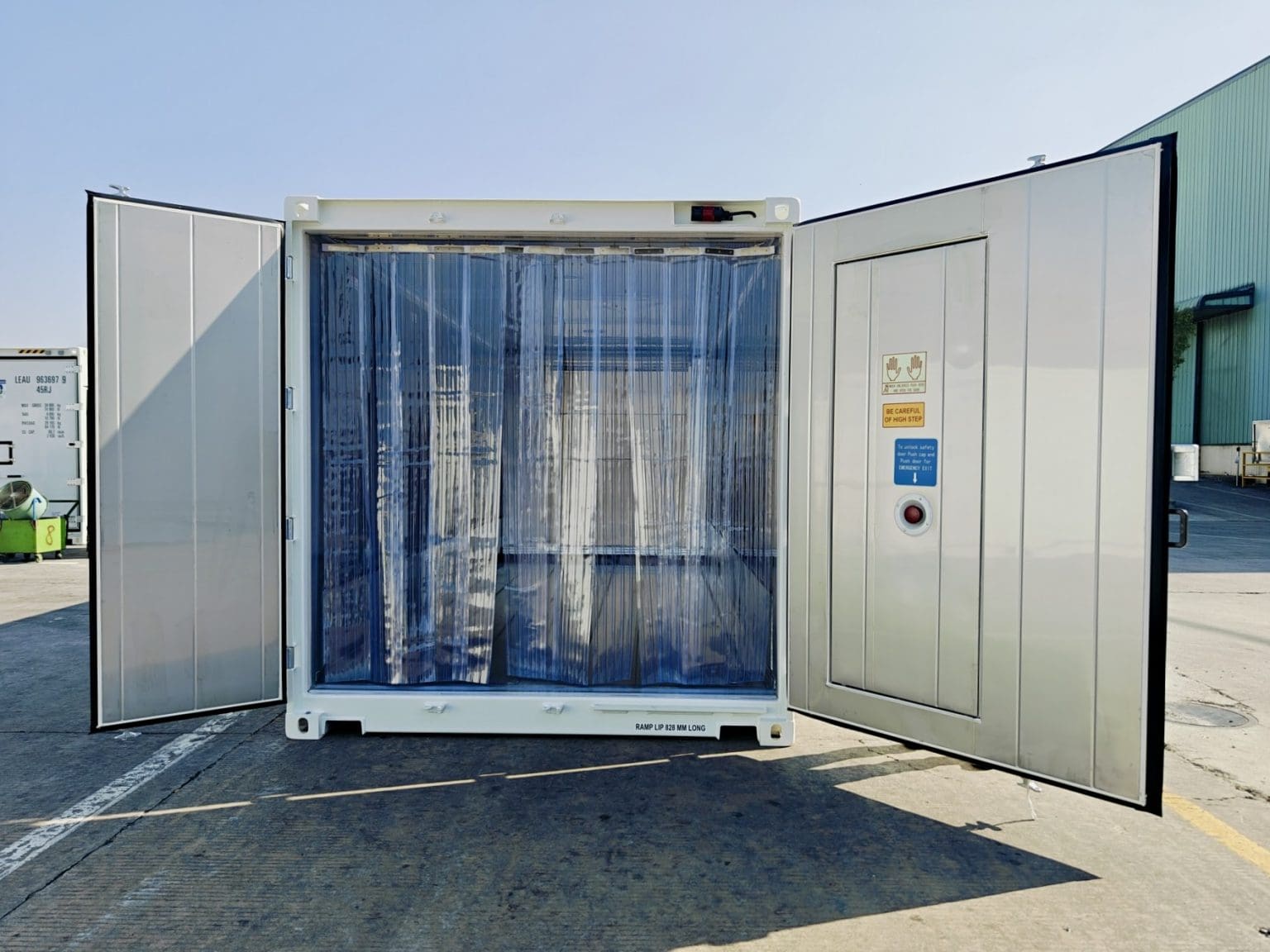
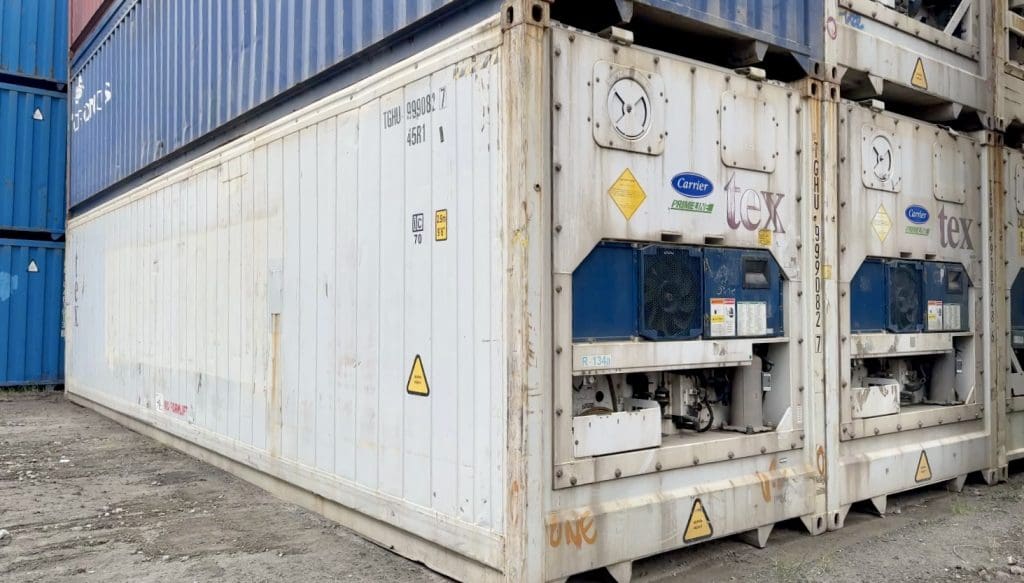
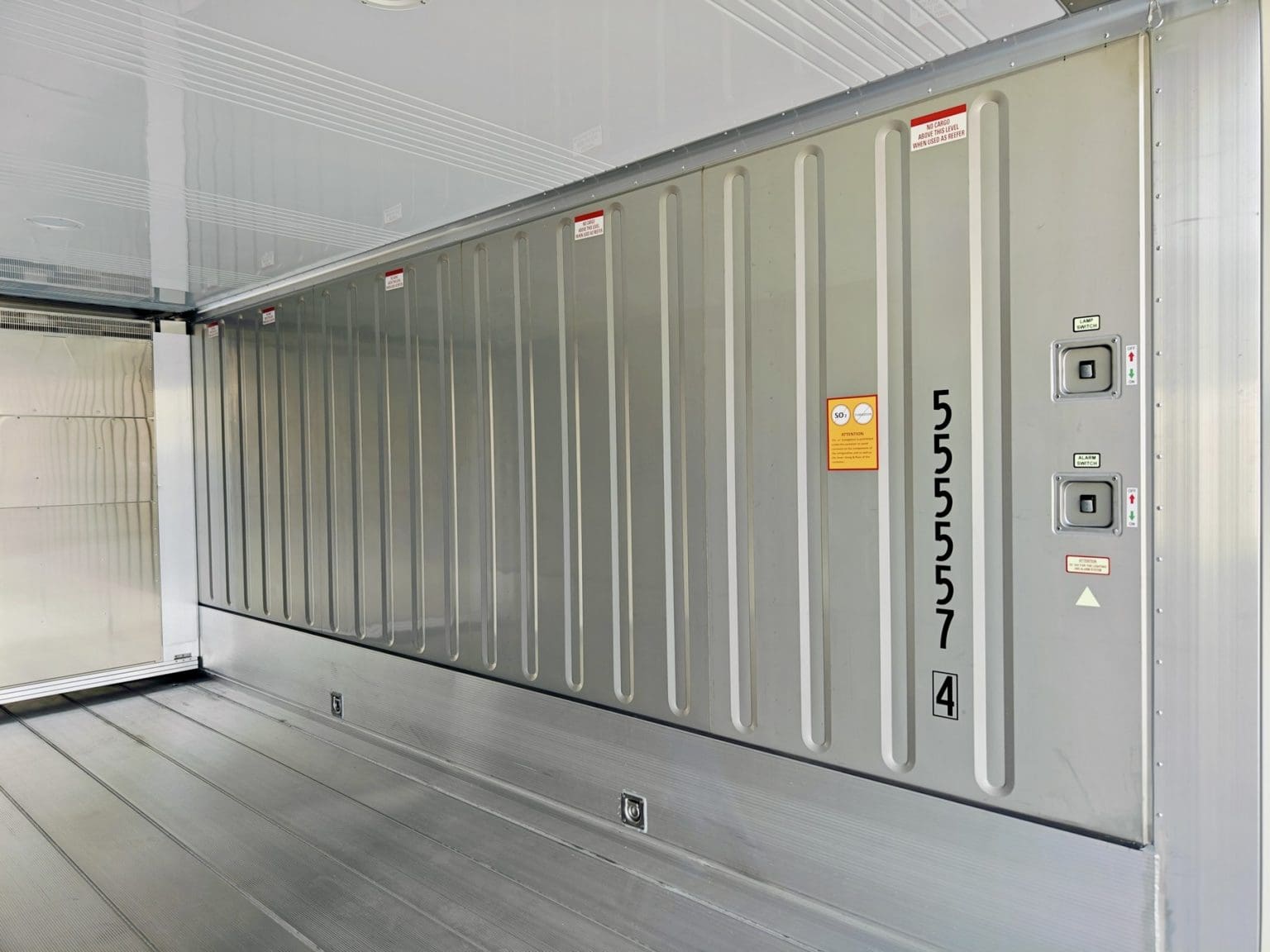
A reefer is built around an insulated box. The walls, roof, floor and doors carry a thick layer of polyurethane foam between an outer steel skin and an inner lining of stainless steel or aluminium. At one end sits the refrigeration unit, which pushes cold air under the cargo through a T-section aluminium floor and draws warm air back across the top of the load.
A digital controller holds the set point and logs temperatures. Air flow matters as much as the cooling itself: stack produce on pallets, keep the floor channels clear and stay below the load line marked inside most units.
Sizes
Sizes and internal space
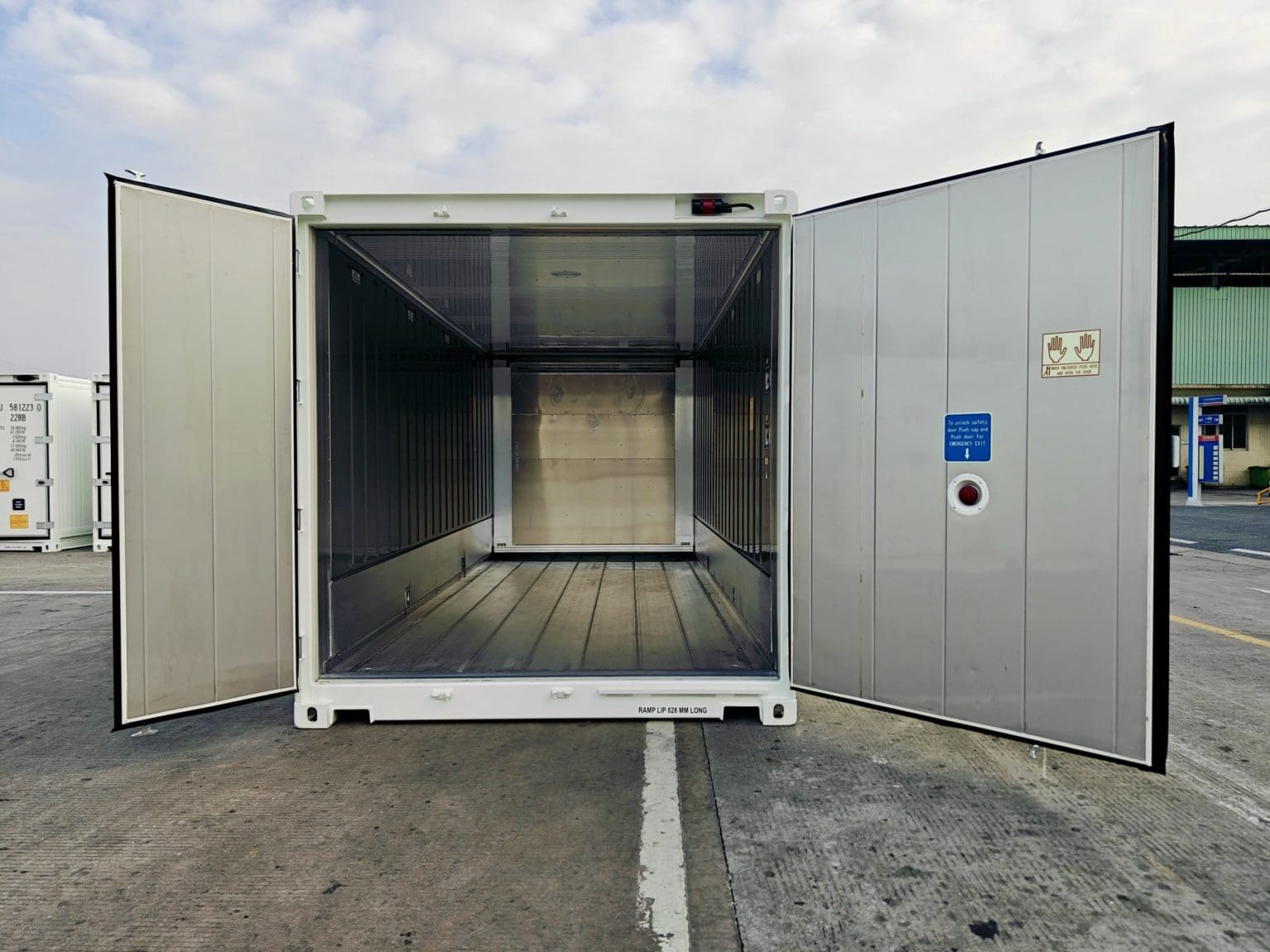
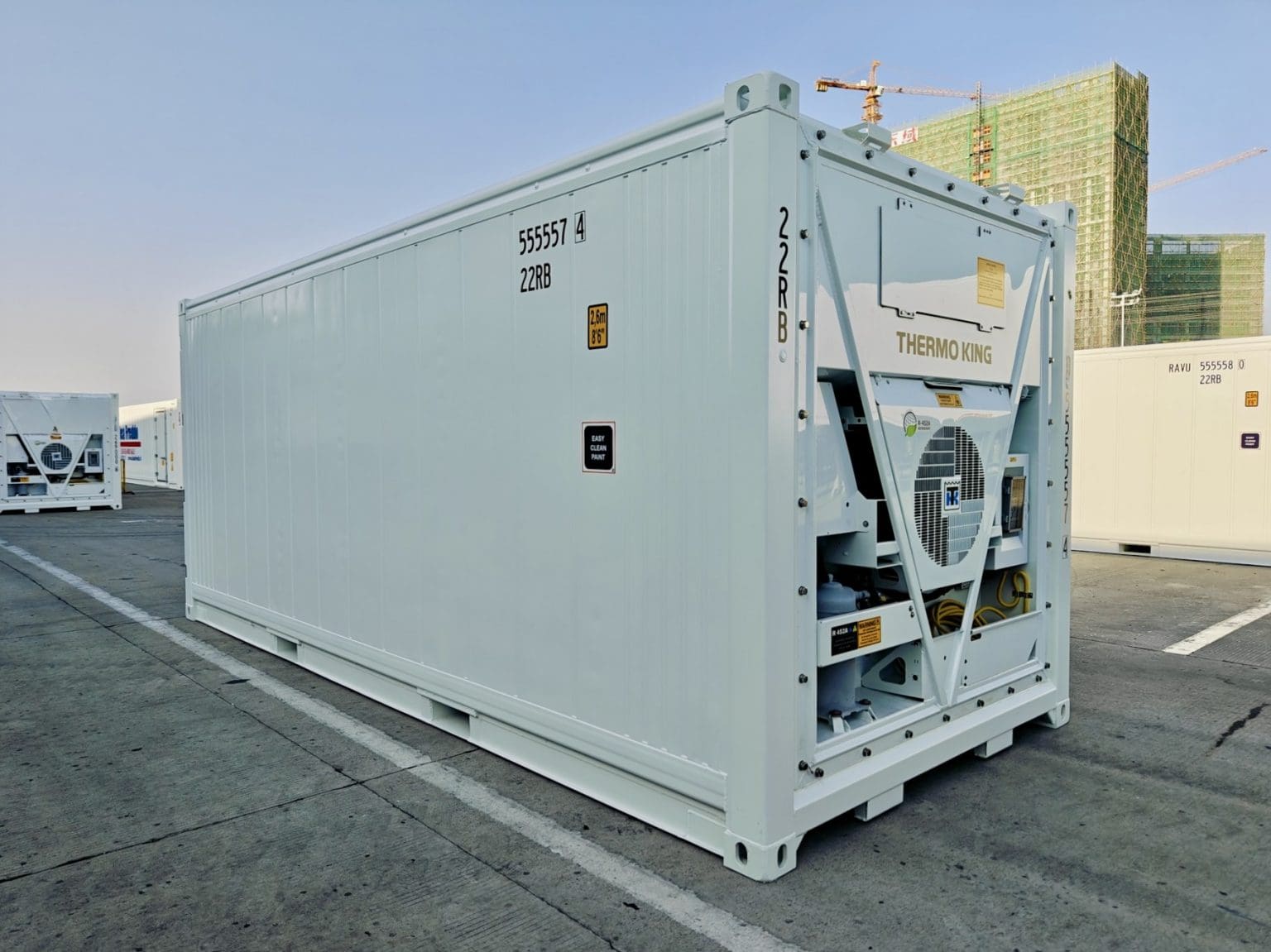
Reefers in New Zealand are mainly 20ft and 40ft high cube units. The machinery and insulation take up room, so the inside is shorter and narrower than a dry container of the same length. Typical internal measurements:
- 20ft reefer: about 5.4 m long, 2.29 m wide and 2.27 m high
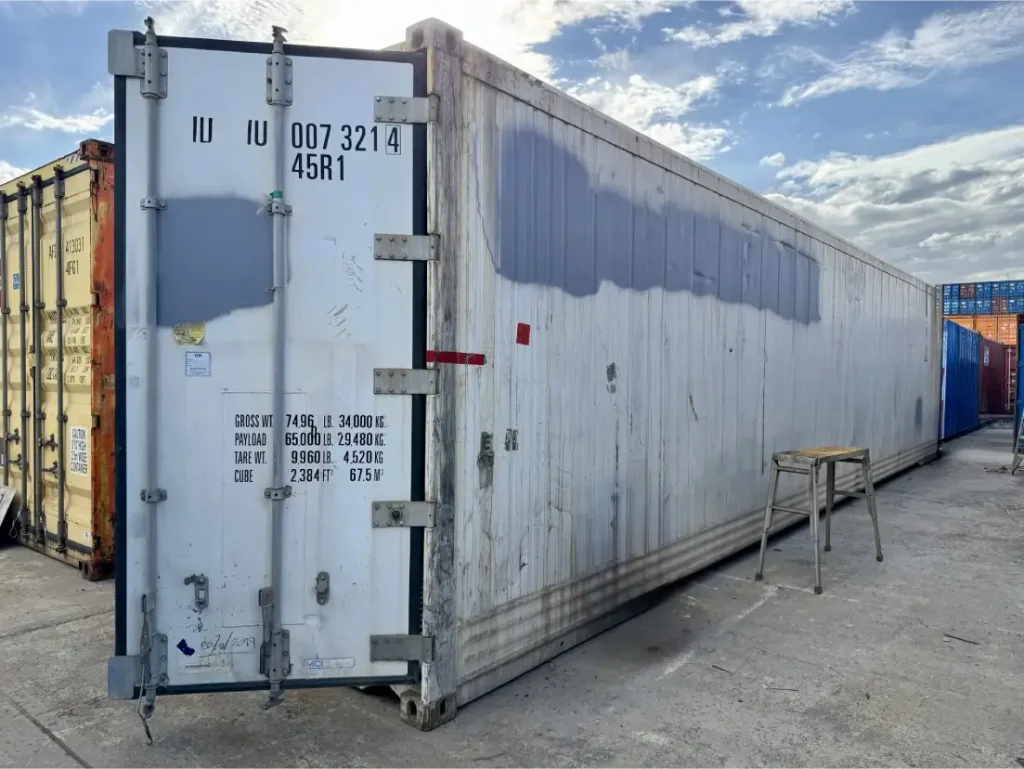
- 40ft high cube reefer: about 11.6 m long, 2.29 m wide and 2.5 m high
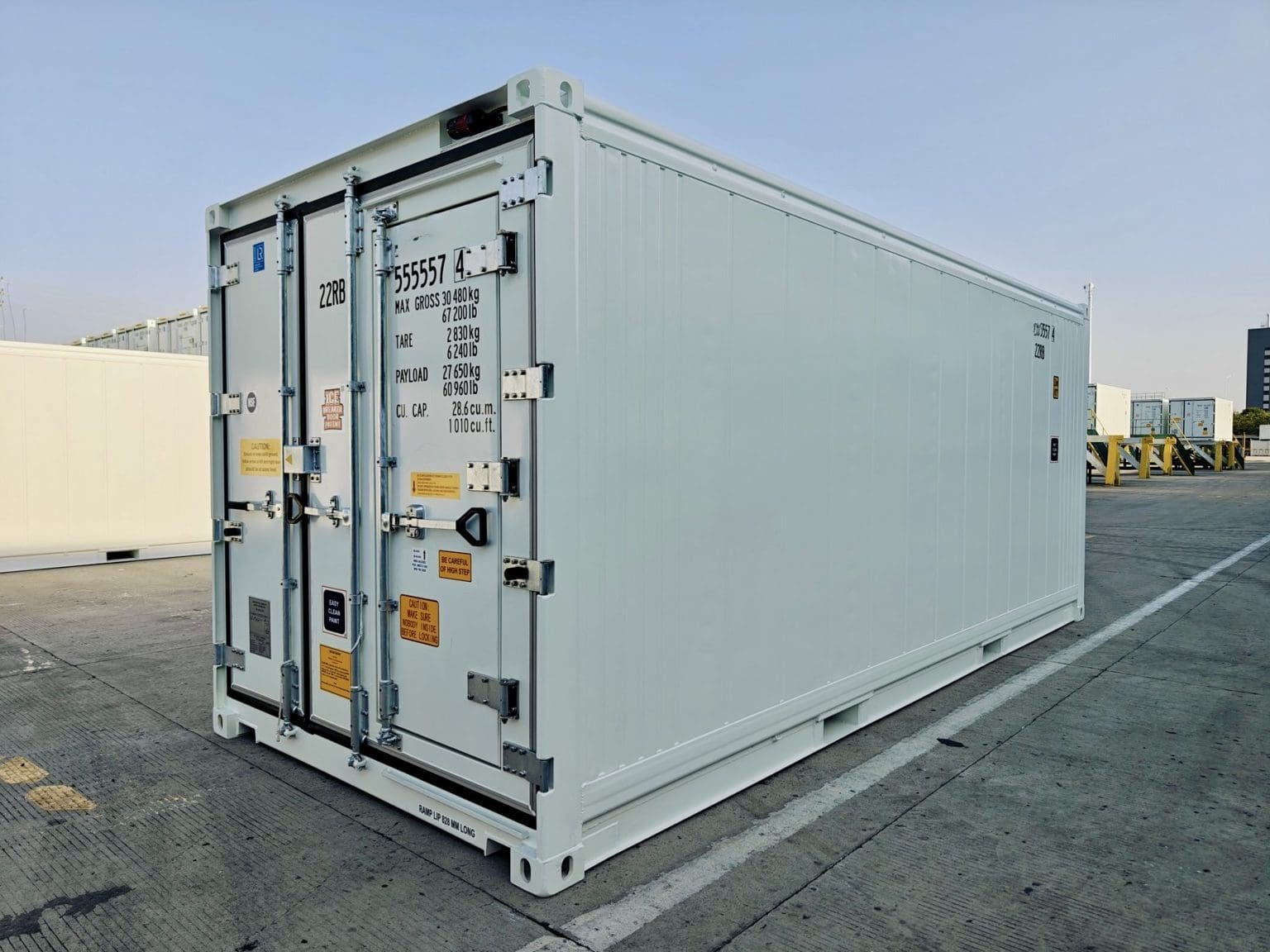
Figures vary by manufacturer and build year, so ask for the data plate details before you plan pallet layouts, and compare them with the dry container sizes on our shipping container dimensions page. Reefers are also heavier than dry boxes, with a 20ft unit typically weighing around 3 tonnes empty. That affects which truck and crane suit your container delivery.
Temperature
Temperature ranges
Most marine reefer units are designed to hold set points from roughly minus 30°C to plus 30°C, so the same box can work as a chiller or a freezer. What a second-hand unit achieves depends on the machinery, the seals and insulation, door use and the outside temperature.
Chilled produce, wine and dairy sit at positive set points; meat and frozen goods need a freezer setting well below zero, which loads the compressor and your power supply harder. If your product has a specified storage temperature, give it to the supplier and ask them to confirm the unit holds it in summer conditions at your site.
Power requirements
Standard marine reefer machinery runs on a three-phase supply at around 400 volts and connects through a heavy-duty industrial plug. The plug type, current rating and running load are printed on the unit’s data plate. Ask for them early, because running three-phase power to a paddock can cost more than a used reefer.
- Have a licensed electrician install the outlet and supply circuit. They can confirm whether your existing supply has the capacity and will issue an Electrical Safety Certificate for the work.
- Where three-phase power is not available, some suppliers offer units built or converted for single-phase power, usually as chillers rather than freezers. A 20ft single-phase chiller appeared on one NZ supplier’s clearance list in August 2026.
- For events and remote sites, reefers can run from a diesel generator. Ask which generator size the unit needs and budget for fuel and refuelling.
| Reefer type | Price incl. GST | Price excl. GST | Notes |
|---|---|---|---|
| 20ft used, operating | $5,520 to $10,195 | $4,800 to $8,865 | Two listings: a sold unit in Dunedin and one in Hamilton |
| 20ft used, non-operational | $3,680 to $5,001 | $3,200 to $4,349 | Machinery not working, sold as insulated boxes |
| 40ft used, operating | $20,000 | $17,391 | One Auckland listing |
| 40ft used, status not stated | $8,625 to $20,000 | $7,500 to $17,391 | Confirm operation before you pay |
| 40ft used, non-operational | $4,255 to $4,999 | $3,700 to $4,347 | One unit listed with floor damage |
Who uses reefers
Common uses in New Zealand
Horticulture
Orchards, kiwifruit and pipfruit
The Bay of Plenty grows about 80% of New Zealand’s kiwifruit, with the largest concentration of orchards around Te Puke. Growers and contractors use reefers as overflow cool storage at harvest and for holding fruit before it goes to the packhouse. Our Tauranga and Bay of Plenty page has local delivery notes.
Wine
Wineries and vineyards
Wineries use refrigerated containers as temperature-controlled storage for bottled and cased stock, and as extra cool space during vintage. In Marlborough, Hawke’s Bay and Central Otago the busy period is short, which is why many wineries hire for the season instead of buying.
Events
Events and hospitality
Festivals, A&P shows, weddings and sports events hire reefers as walk-in chillers and freezers for drinks, ice and catering stock. A 20ft unit fits most event sites. If mains power is not available, ask whether the supplier can provide a generator with the container. Our event and hospitality containers page covers layout and access for temporary sites.
Meat and dairy
Meat, dairy and farm produce
Farm butcheries, small dairy and cheese producers and farm gate sellers use reefers for chilled and frozen storage. Our farm storage containers page covers rural delivery and placement. If you store food for other businesses or for an export supply chain, MPI food safety requirements for transport and cold store operators may apply, so check your obligations before you start.
Buy or hire a refrigerated container
Hire suits seasonal or short-term needs such as vintage, harvest, a festival or the refit of an existing coolroom. During the hire the supplier usually remains responsible for servicing the refrigeration unit, which matters because reefer repairs need a refrigeration technician. NZ suppliers rarely publish reefer hire rates, so expect a quote that covers delivery, collection and any minimum hire term. Our shipping container hire page explains how hire quotes are built.
Buying makes sense when you need cold storage most of the year or every season. Compare the purchase price with the hire cost over the months you use it, plus servicing and power. Our guide to hiring vs buying a container sets out the full comparison, and current figures are in the NZ shipping container price index. Refrigerated container availability was described as tight in the GDF NZ logistics market update for August 2026, so allow extra lead time before your peak season.
What to check on a used reefer
- Ask for a recent pre-trip inspection or service report from a refrigeration technician, plus the machinery make and build year.
- Run the unit before you pay, ideally pulling down to your set point, and check the controller for alarm codes.
- Inspect door gaskets, hinges and locking bars. Worn seals let in warm, moist air and cause ice build-up.
- Look for punctures or patches in the inner lining and damage to the T-floor, which can let moisture into the insulation.
- Confirm whether the price is for an operating unit or a non-operating box. If you only need an insulated shell, see insulated shipping containers.
Tell us what you need to keep cold
Send the size, the temperature you need, the power available on site and whether you want to buy or hire. We pass your request to suppliers who service your area, and they quote you directly.
Get a free quote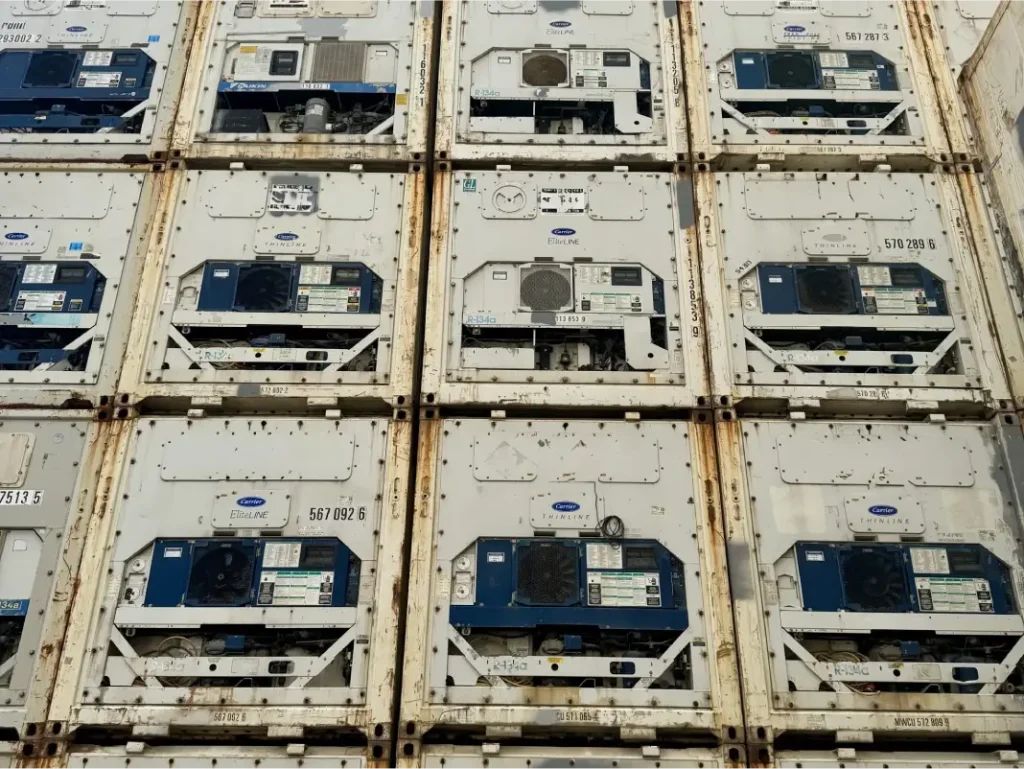
FAQ
Refrigerated container questions
In the Shipping-Containers.co.nz NZ price index, October 2026, used operating 20ft reefers were listed at $5,520 to $10,195 incl. GST and one operating 40ft unit at $20,000 incl. GST. Non-operating 20ft and 40ft boxes sold for $3,680 to $5,001 incl. GST. These prices exclude delivery and power connection. The sample is small, so request current quotes through our quote form for your size and location.
Standard marine reefer units need a three-phase supply. Most houses and many farm sheds only have single-phase power, so either the supply is upgraded or you choose a unit built or converted for single-phase use, which is usually a chiller rather than a freezer. A licensed electrician should check your supply capacity and install the outlet. For events, a diesel generator is a common alternative.
Most marine reefer units are designed for set points from about minus 30°C to plus 30°C. A used unit’s real performance depends on its machinery, seals and insulation, and on the outside temperature. If your product needs a specific storage temperature, give it to the supplier and ask them to confirm in writing that the unit holds it at your site during summer.
Hire is generally available wherever a supplier can deliver, including orchards, vineyards and event sites in rural areas. Delivery distance, truck access and power availability often affect the total cost more than the hire rate itself. Give the full delivery address and access details when you request a quote, so suppliers can price delivery and collection accurately.
Placing a container on level ground for storage is generally not building work. Consent questions arise once you add foundations, a roof or a permanent connection to services, or when the reefer becomes part of a larger structure. District plan rules on setbacks and site coverage can still apply. Check with your council, and read our guide to building consent for shipping containers.
A reefer has a working refrigeration unit and holds a set temperature. An insulated container is usually a former reefer whose machinery has failed or been removed. It keeps the insulated walls, so it slows temperature changes, but it cannot cool anything. Insulated boxes cost less and need no power, which makes them a good fit for stable dry storage rather than chilled goods.